
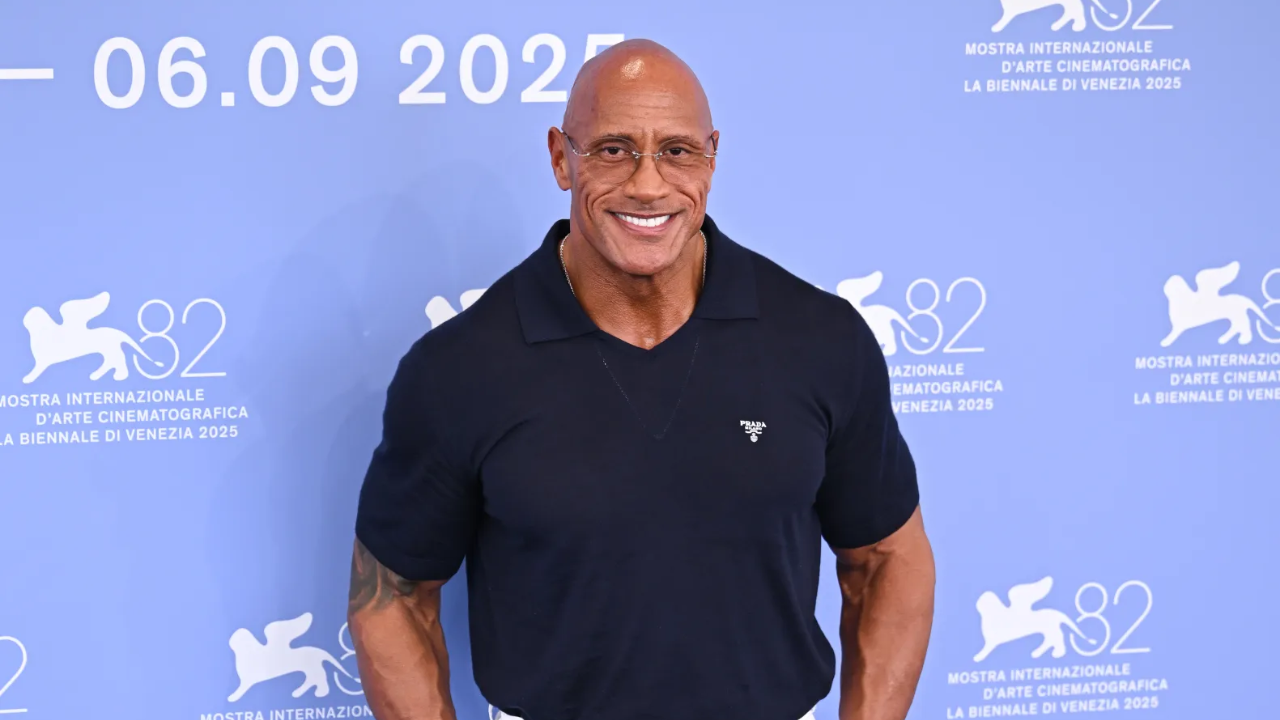
Have you ever wondered why a single actor’s paycheck sometimes costs more than making the whole movie? It sounds wild, but it happens more often than you’d think in Hollywood.
The truth is, star power sells tickets. Studios know this better than anyone.
The Business Behind the Big Paychecks
Hollywood is, at its core, a business. Every film is a financial bet, and studios want the safest odds possible.
When a recognizable face headlines a movie, audiences show up. That built-in audience is worth millions — sometimes hundreds of millions — at the global box office. So paying one actor $20 million to anchor a $15 million production can still make perfect financial sense.
It’s not about ego. It’s about math.
What Makes an Actor Worth That Much
A-listers don’t just act. They market. Their name alone generates press coverage, social media buzz, and pre-release excitement that no ad campaign can fully replicate.
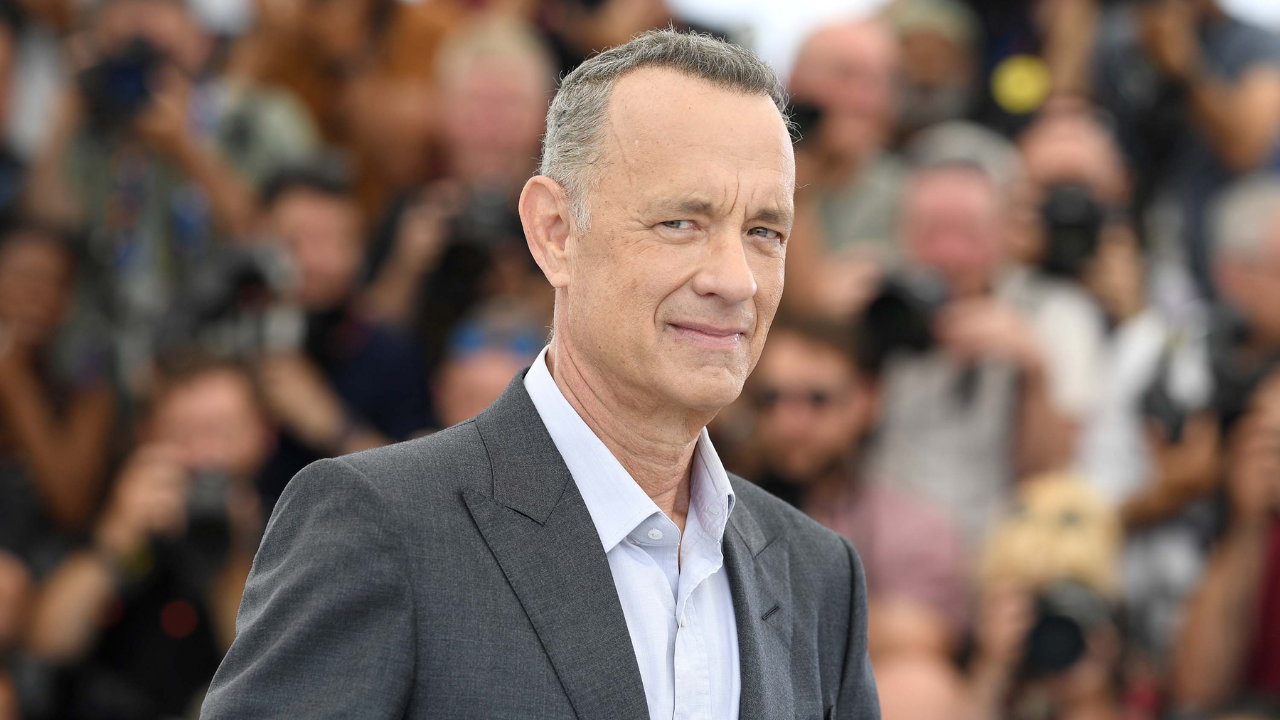
Think about it this way — when Tom Hanks or Dwayne Johnson joins a project, the story practically writes itself. Interviews, magazine covers, and late-night appearances follow automatically. Studios essentially get a built-in marketing machine along with the performance.
Beyond name recognition, some actors carry genuine global appeal. International box office revenue now makes up a huge share of a film’s total earnings. A star who draws crowds in both Ohio and overseas is genuinely rare — and studios pay accordingly.
The Role of Back-End Deals
Not every big payday shows up as a flat fee. Many top actors negotiate back-end deals, meaning they take a percentage of the film’s profits rather than a massive upfront check.
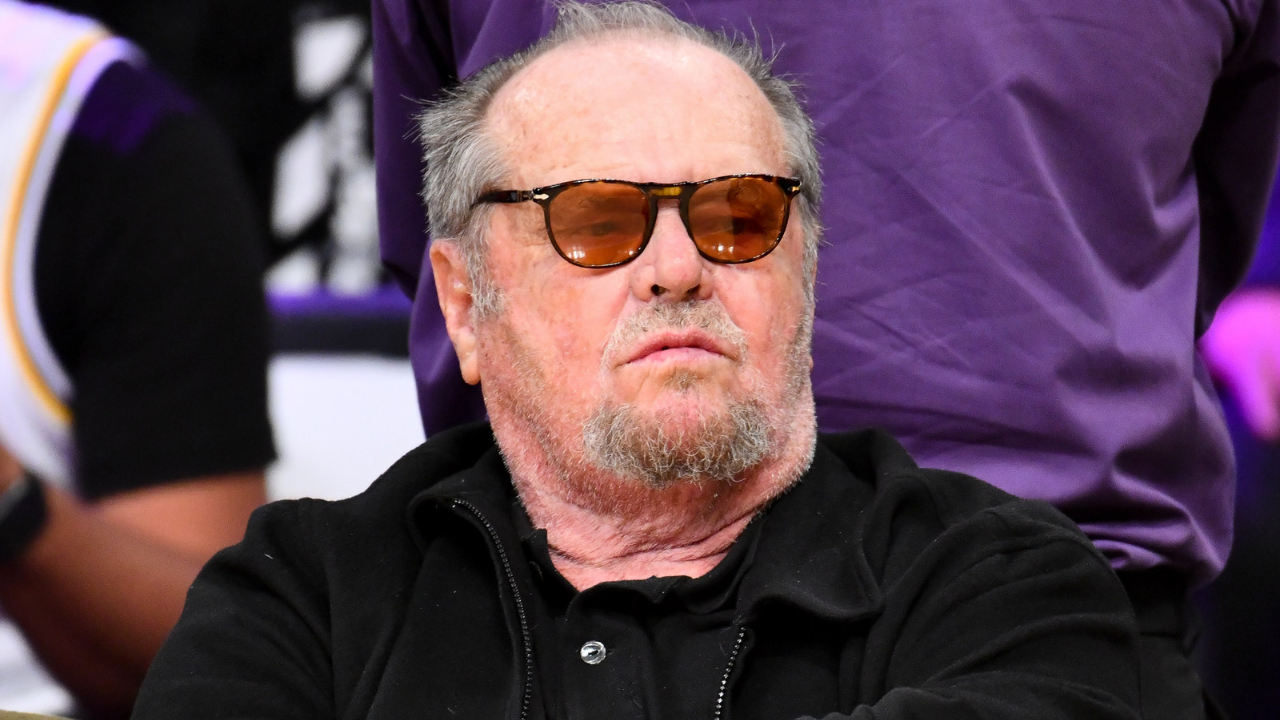
This is where numbers get truly staggering. When a film earns a billion dollars worldwide, even a modest 10 to 15 percent cut turns into a life-changing sum. Jack Nicholson reportedly earned over $60 million from his back-end deal on the original Batman — far more than his salary alone.
These deals also work in the studio’s favor. Lower upfront costs reduce the financial risk on a production, especially for smaller budgets. Both sides win when the movie performs well.
Supply, Demand, and Star Power
Here’s something worth understanding — there are only so many actors who can genuinely open a movie worldwide. That scarcity drives up value fast.
When studios compete for the same short list of bankable names, salaries rise quickly. Actors and their agents know exactly how much leverage they hold. Negotiations become high-stakes conversations where the actor often has the upper hand.
This dynamic doesn’t apply to every performer, of course. Character actors, supporting roles, and newcomers operate on entirely different pay scales. The gap between an A-lister and a supporting cast member can be extraordinary — sometimes tens of millions of dollars on the same set.
When the Budget Doesn’t Tell the Whole Story
Some films have surprisingly small official budgets. That number, however, doesn’t always include talent deals negotiated separately or outside the core production budget.
Studios structure deals creatively to keep reported budgets low for various financial and marketing reasons. So a film listed at $12 million might still feature a star earning $15 million — because that salary was categorized differently in the accounting.
It’s a Hollywood tradition as old as the studio system itself.
The Bottom Line
Star salaries reflect something simple — the power to put people in seats. When an actor consistently delivers that, their value rises beyond what any budget spreadsheet can neatly contain.
Hollywood rewards results, and certain performers deliver them reliably. That’s a quality studios will always pay a premium for.
If you also want to know about best Hollywood romantic movies of all time click here – https://thegyantv.com/entertainment/best-hollywood-romantic-movies-of-all-time/

Mohit Swami is the Head of Content at GYANTV, overseeing content strategy, editorial planning, and quality control across the platform. With experience in managing digital content workflows, he ensures that every article aligns with accuracy standards, audience relevance, and ethical publishing practices. His work focuses on building trustworthy, engaging, and reader-first content in health, lifestyle, and trending news categories.