
Every great movie often starts with a great book. Somewhere between a dog-eared paperback and a packed theater, magic happens. Hollywood has spent decades perfecting the art of turning written words into unforgettable cinematic experiences. It is a process that is equal parts creative genius and careful strategy.
So how exactly does a story leap from the page to the big screen? Let us walk through it together.
It All Starts With the Right Story
Not every book gets the Hollywood treatment. Studios look for stories with strong emotional hooks, a clear conflict, and characters audiences can root for. Bestseller lists matter, but they are not the only factor. Sometimes, a quiet cult novel catches a producer’s eye decades after its release.
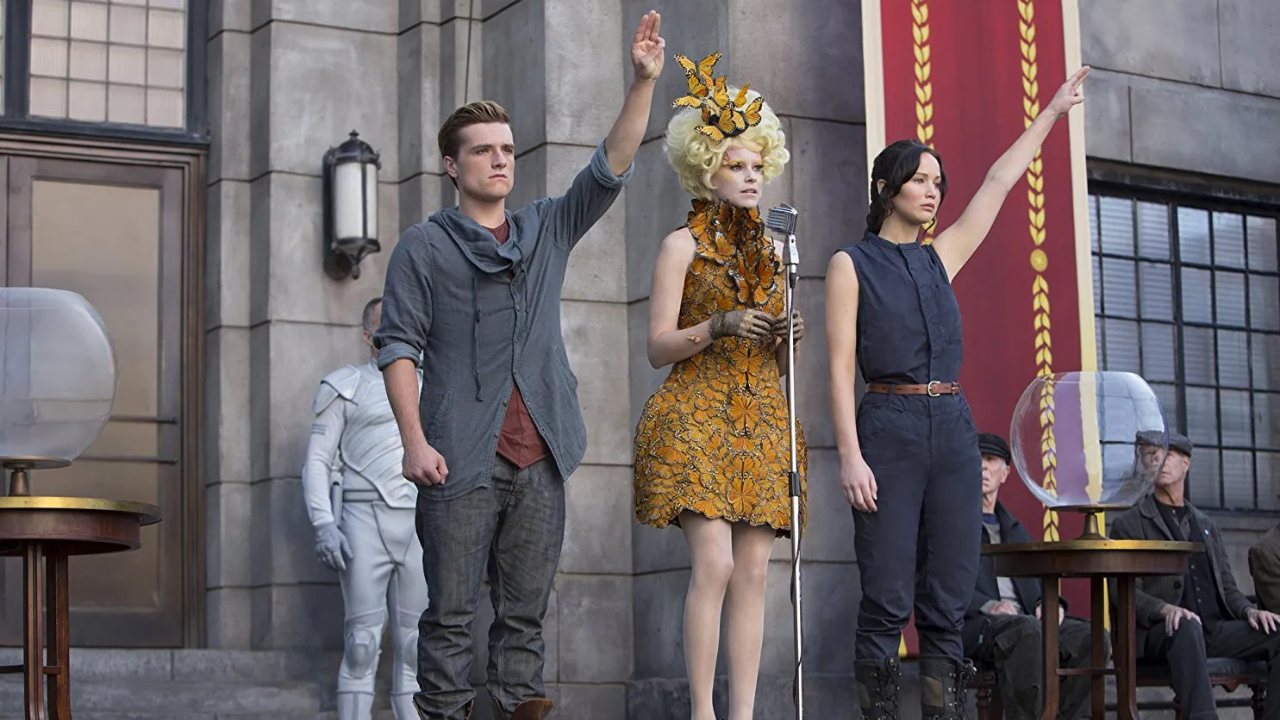
The Hunger Games sat on bookshelves for years before Lionsgate turned it into a franchise worth over a billion dollars. Similarly, The Martian started as a self-published story before it landed on the big screen starring Matt Damon. Great stories have a way of finding their moment.
The Script Is Where the Real Work Begins
Once a studio acquires the rights, screenwriters take over. Their job is both exciting and incredibly difficult. A novel can run four hundred pages. A screenplay runs about ninety to one hundred twenty. That means a lot has to go.
Screenwriters must identify the emotional spine of a story and protect it at all costs. Subplots get trimmed. Minor characters sometimes disappear entirely. Entire chapters may be condensed into a single powerful scene. The goal is not to copy the book — it is to capture its soul.
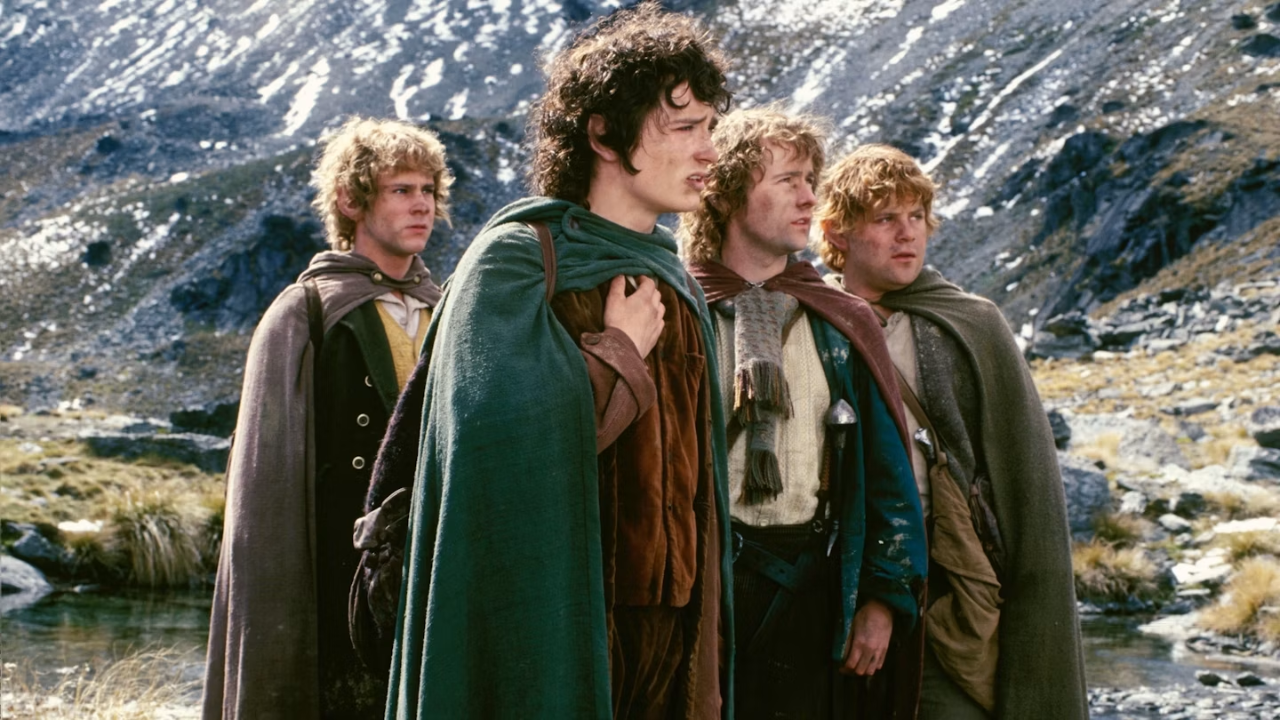
Faithful adaptations like The Lord of the Rings succeeded because Peter Jackson understood what fans loved most. He honored the spirit of Tolkien’s world even when he changed specific events. That balance between loyalty and creativity is what separates a great adaptation from a disappointing one.
Casting Brings Characters to Life
Readers always picture their favorite characters a certain way. Casting directors face an enormous challenge — they must find actors who can surprise audiences while still feeling right. When it works, it is remarkable.
Think about Kathy Bates in Misery or Anthony Hopkins in The Silence of the Lambs. Both performances matched and even elevated what readers had imagined. A well-cast film makes viewers forget they ever pictured someone different. Poor casting, on the other hand, can unravel even the most faithful adaptation.
Production Design Creates the World
Books describe settings in broad, imaginative strokes. Film has to make those settings real and believable. Production designers, costume teams, and visual effects artists work together to build worlds audiences can actually step into.
Harry Potter is one of the finest examples of this process. The Great Hall, Diagon Alley, and Hogwarts castle did not just match J.K. Rowling’s descriptions — they exceeded what most readers had imagined. That visual richness played a huge role in the franchise’s global success.
Music Sets the Emotional Tone
A book has no soundtrack. A film does, and that makes a tremendous difference. Composers work closely with directors to find a sound that matches the emotional rhythm of the story. John Williams alone has shaped how audiences feel about everything from Jaws to Schindler’s List.
Music does not just accompany a scene — it guides how viewers process it. A perfectly placed score can make a quiet moment feel devastating or a chase scene feel thrilling. It is one of Hollywood’s most powerful storytelling tools.
Why Some Adaptations Work and Others Fall Flat
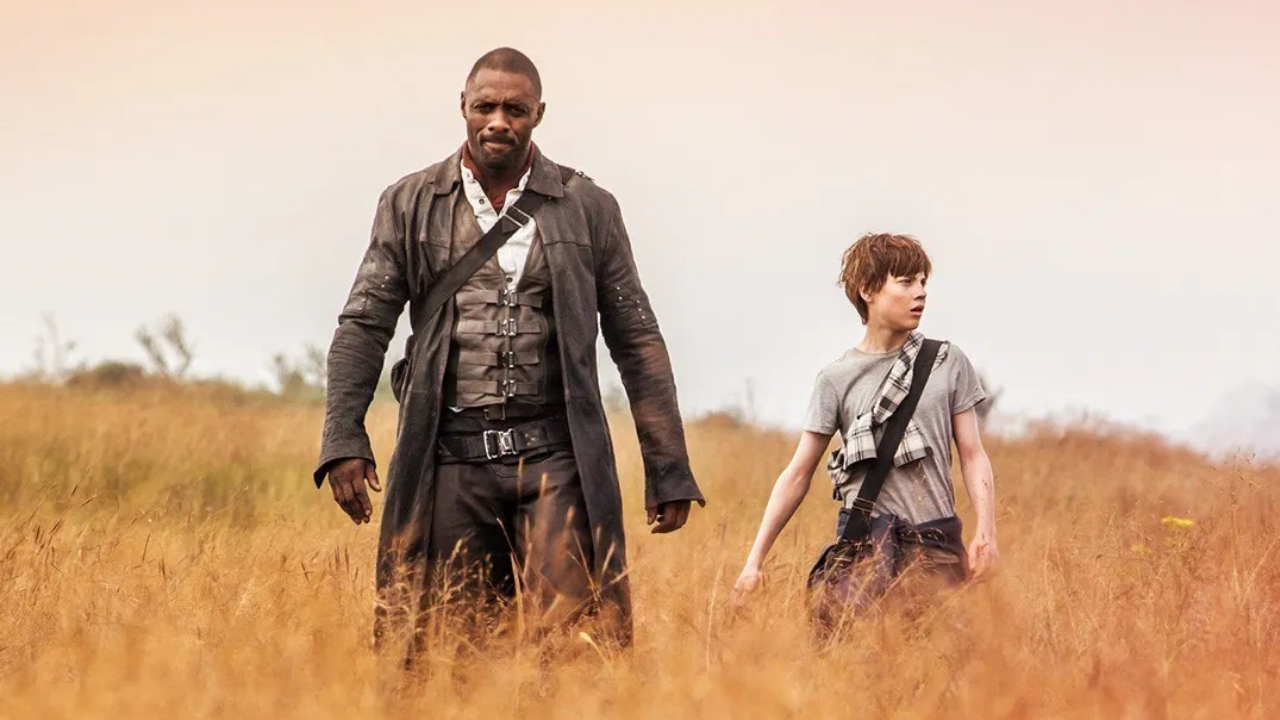
Not every book-to-film journey ends in success. Sometimes studios rush the process. Other times, they try to please everyone and end up pleasing no one. The Dark Tower had a massive fan base and still struggled to find its footing on screen.
The films that succeed tend to share a common trait — respect for the source material. That does not mean copying it word for word. It means understanding why readers fell in love with it in the first place and carrying that feeling into every creative decision.
The Final Result Is Its Own Art Form
A great adaptation does not replace a great book. Instead, it adds a new layer to it. Readers discover films. Moviegoers discover novels. Both audiences end up richer for the experience.
Hollywood’s ability to transform stories is one of its most enduring gifts. When the process works, the result is something that lives far beyond the theater — in conversations, in culture, and in memory.
The best adaptations remind us why stories matter in the first place.
If you also want to know about hollywood movies inspired by true events click here – https://thegyantv.com/entertainment/movies-based-on-real-life-crimes/

Mohit Swami is the Head of Content at GYANTV, overseeing content strategy, editorial planning, and quality control across the platform. With experience in managing digital content workflows, he ensures that every article aligns with accuracy standards, audience relevance, and ethical publishing practices. His work focuses on building trustworthy, engaging, and reader-first content in health, lifestyle, and trending news categories.