
Here are the franchises that proved Hollywood wrong in the best possible way.
From Toy Box to Box Office Gold
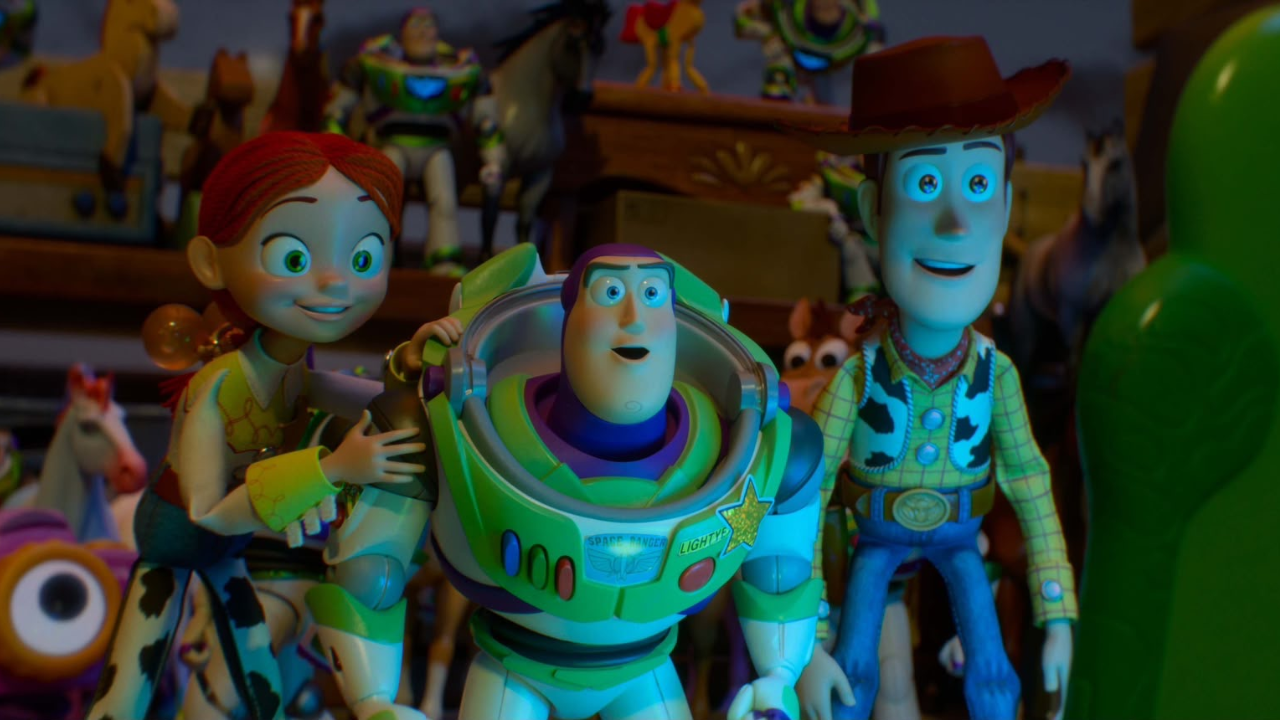
When Toy Story hit theaters in 1995, studios weren’t sure animated films could carry real emotional weight. Pixar proved every doubter wrong. The film earned over $370 million worldwide and launched one of the most beloved animated franchises in history. Four films later, the series still makes grown adults cry in movie theaters. That’s not a small achievement — that’s cultural magic.
A Raccoon With a Mixtape Changed Everything
Nobody expected Guardians of the Galaxy to work. A talking raccoon, a walking tree, and a group of misfits headlining a Marvel film? Sounds risky. Director James Gunn turned that oddball concept into a $773 million hit in 2014. Audiences didn’t just enjoy it — they adored it. The soundtrack alone became a cultural moment. Suddenly, Marvel could make anything work.
Fast Cars, Faster Growth
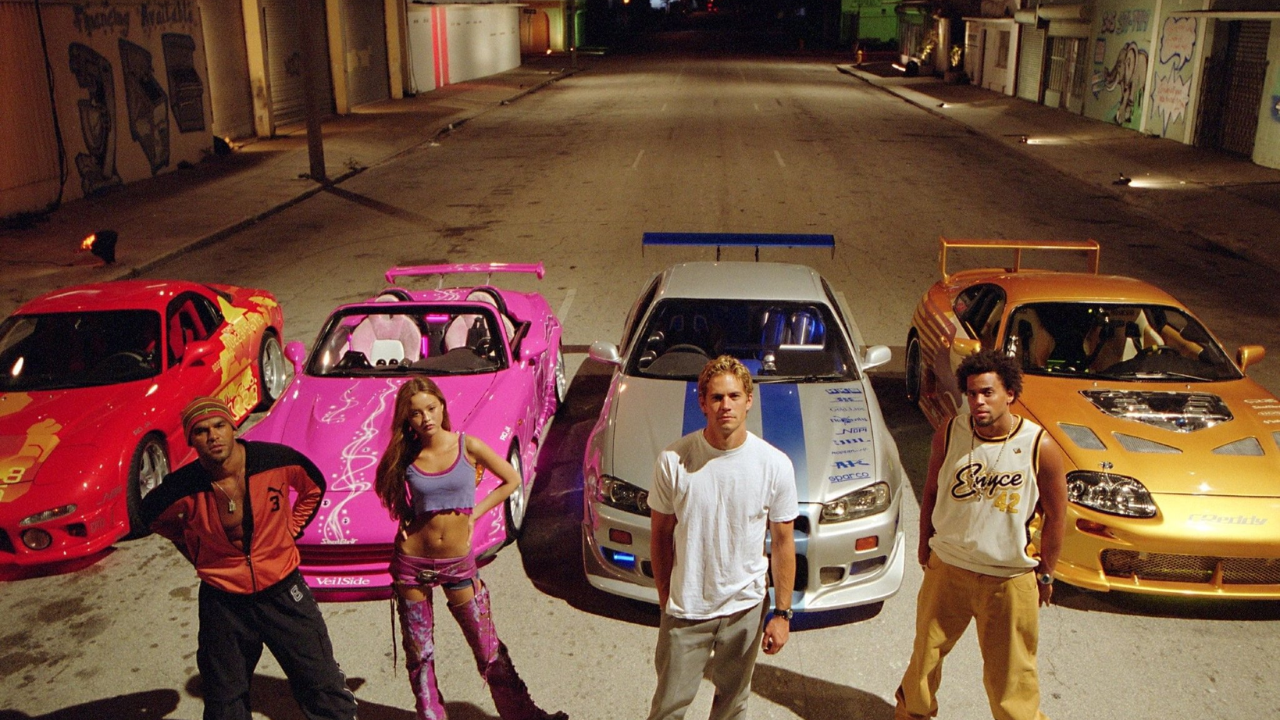
The Fast & Furious franchise started as a modest street-racing drama in 2001. Critics weren’t impressed. Early budgets stayed lean, and expectations stayed low. Then something shifted. Each sequel pushed harder, went bigger, and somehow earned more. The series eventually crossed $7 billion globally. What began as a small-scale action film grew into one of the most profitable franchises ever made. Few saw that trajectory coming.
A Wizard Who Won Every Heart
Harry Potter wasn’t guaranteed to succeed on screen. Book fans were protective, skeptical, and vocal. Adapting J.K. Rowling’s beloved world for film felt like a high-stakes gamble. Warner Bros. took that chance anyway. The result? Eight films, over $7.7 billion at the box office, and a fanbase that still grows every single year. The series redefined what a film franchise could achieve across a decade. Magic, indeed.
Horror’s Unexpected Money Machine
Nobody expected The Conjuring to become a cinematic universe. It was marketed as a straightforward horror film. Then it grossed over $319 million on a $20 million budget. Audiences returned, sequels arrived, and spin-offs multiplied. Annabelle, The Nun, and several others followed, building an entire horror universe. The Conjuring universe now stands among the highest-grossing horror franchises in history. Horror, it turns out, has serious franchise power.
Animation’s Unlikely Blockbuster
Shrek wasn’t supposed to challenge Disney. DreamWorks took a sarcastic, swamp-dwelling ogre and turned him into a global icon. The first film earned over $484 million worldwide in 2001. Sequels kept coming, merchandise flew off shelves, and Shrek somehow became one of the internet’s most enduring cultural figures. Nobody planned for that kind of legacy. Yet here we are, still quoting lines two decades later.
Small Budget, Massive Screams
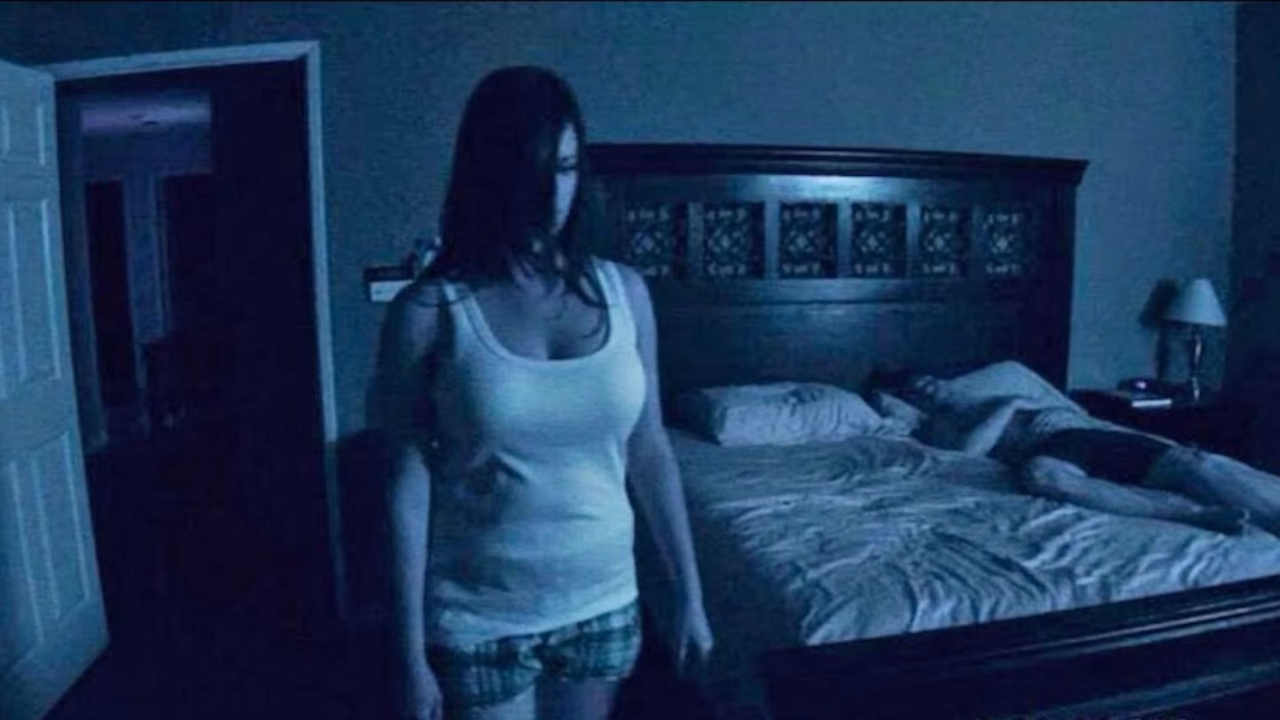
Paranormal Activity cost roughly $15,000 to make. That number still sounds unbelievable. Released in 2009, the found-footage horror film earned nearly $194 million globally. Studios took notice immediately. A franchise was born almost overnight. Five sequels followed, each carrying that same low-budget, high-tension energy. It remains one of the most profitable film investments ever made. Proof that a great idea doesn’t need a massive budget.
What These Stories Teach Us
Every franchise on this list faced doubt. Investors questioned them. Critics dismissed them. Audiences, however, made the final call — and they chose joy, adventure, and storytelling that felt real.
Hollywood’s biggest surprises share one thing in common. They didn’t follow a formula. They followed a feeling. That feeling connected with millions of viewers around the world, and no algorithm could have predicted it.
The next surprise franchise is probably already in development somewhere. Nobody knows which one yet. That’s exactly what makes Hollywood so endlessly exciting.
If you also want to know about Hollywood superhero movies that flopped badly click here – https://thegyantv.com/entertainment/hollywood-superhero-movies-that-flopped-badly/

Mohit Swami is the Head of Content at GYANTV, overseeing content strategy, editorial planning, and quality control across the platform. With experience in managing digital content workflows, he ensures that every article aligns with accuracy standards, audience relevance, and ethical publishing practices. His work focuses on building trustworthy, engaging, and reader-first content in health, lifestyle, and trending news categories.