
Everyone says the book is always better. They are wrong. Sometimes a great director takes a good book and turns it into something extraordinary — stripping away the excess, adding visual poetry, and delivering a cinematic experience that the written word simply could not achieve. Here are the Hollywood movies that were genuinely better than the books that inspired them.
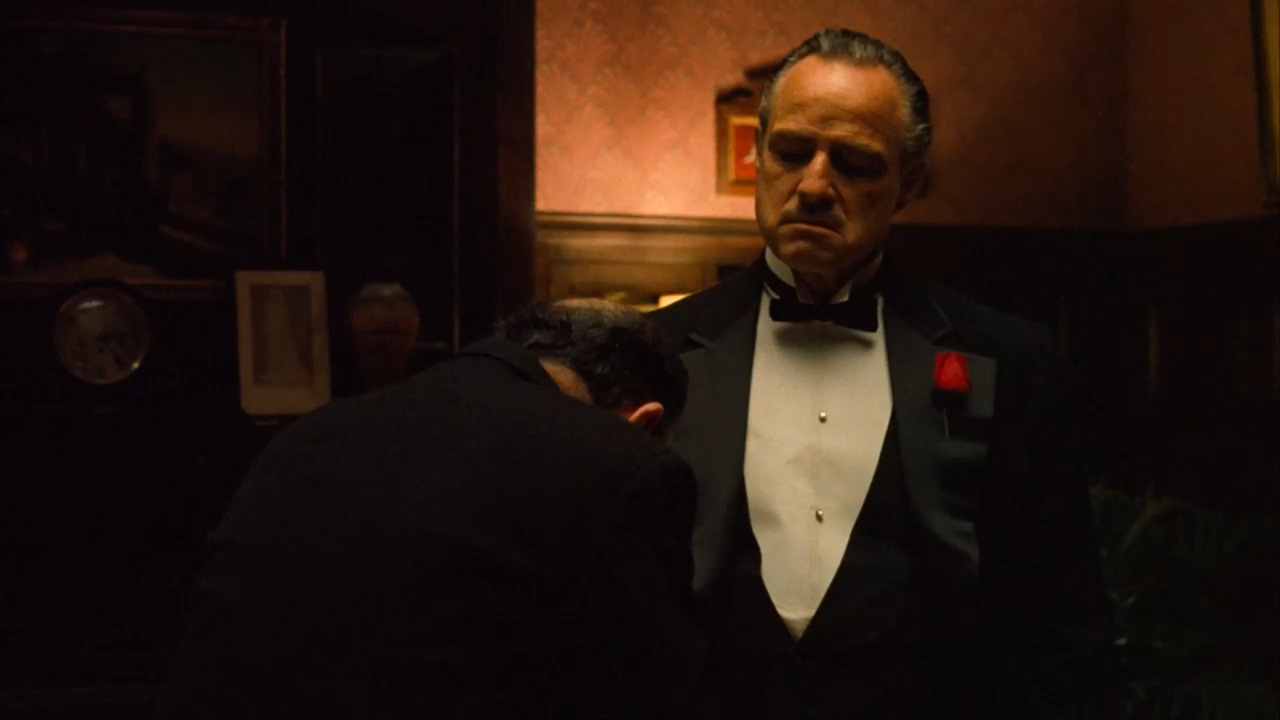
1. The Godfather (1972)
Mario Puzo’s novel was a perfectly entertaining gangster story — full of melodrama, soapy subplots, and pedestrian prose.
Francis Ford Coppola took that raw material and created one of the greatest films ever made. He stripped out the novel’s clumsier tangents, elevated the themes of power and family loyalty, and drew performances from Marlon Brando, Al Pacino, and James Caan that no book could ever replicate. Puzo himself co-wrote the screenplay and acknowledged the film surpassed his novel. The Godfather won three Academy Awards and became one of American cinema’s crowning achievements — while the book remains a perfectly decent read that most people forget exists.
2. The Shining (1980)
Stephen King famously hated Stanley Kubrick’s adaptation of his novel — which tells you everything about why the film is better.
King’s book was a deeply personal story about alcoholism and family trauma. Kubrick took the bones of that story and built something far more psychologically disturbing — a cold, geometric nightmare where reality itself cannot be trusted. Jack Nicholson’s unhinged performance and Kubrick’s obsessive visual precision created a horror film so atmospherically overwhelming that it permanently changed the genre. The book is good. The film is unforgettable.
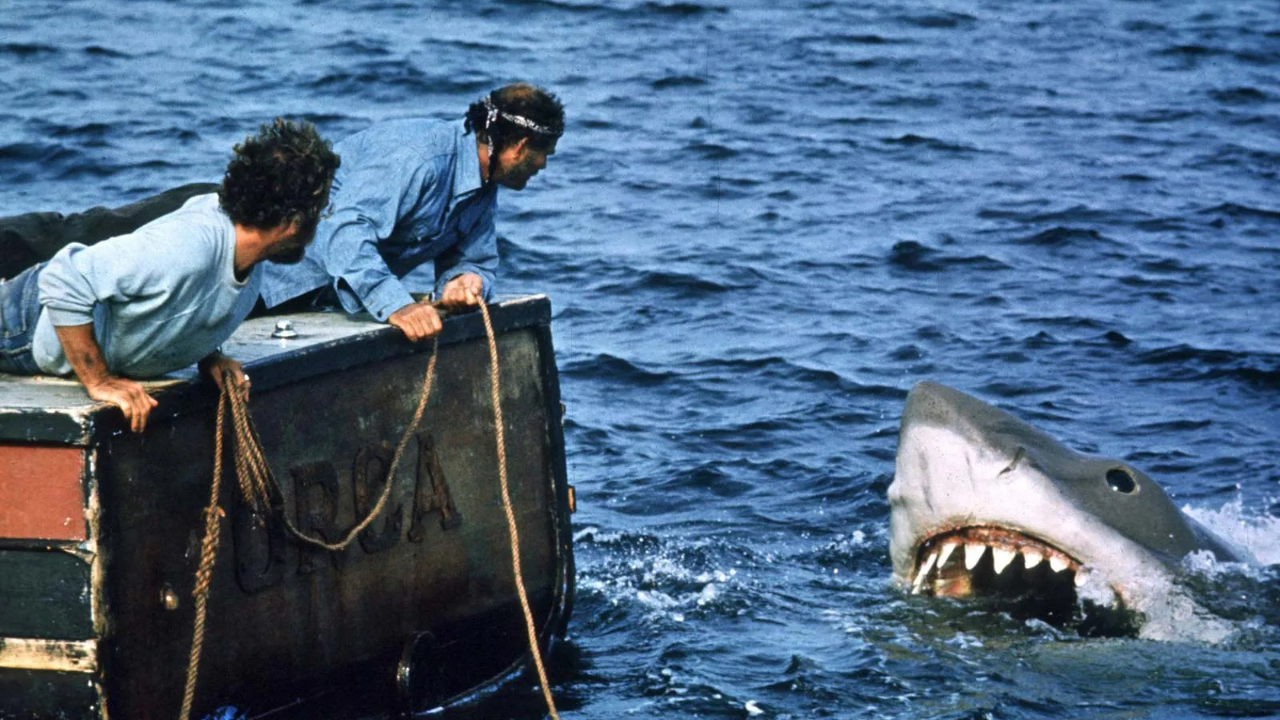
3. Jaws (1975)
Peter Benchley’s novel had a perfectly serviceable shark and some genuinely tense sequences — buried under a soap opera subplot involving an affair that Spielberg wisely cut entirely.
What remained was pure, masterful suspense. Spielberg’s decision to hide the shark for most of the film — born of mechanical necessity rather than artistic choice — created a terror of the unseen that no amount of description on a page could match. Jaws earned $471 million on a $9 million budget, invented the summer blockbuster, and proved that sometimes the best adaptation is one that knows exactly what to remove.
4. Fight Club (1999)
Chuck Palahniuk’s novel is a brilliant, anarchic piece of American fiction — and David Fincher’s film adaptation somehow improves on it.
The visual language of Fight Club — the subliminal cuts, the unreliable narration made visceral through cinema, Brad Pitt’s magnetic performance — added layers that prose alone could not carry. Even Palahniuk himself has said he prefers the film’s ending to the one he wrote. That is the highest possible endorsement an author can give an adaptation, and Fight Club earned it completely.
5. Forrest Gump (1994)
Winston Groom’s novel gave the world Forrest Gump — but it also gave him a pet alien sidekick and a significantly less likable personality.
Robert Zemeckis and screenwriter Eric Roth stripped the story back to its emotional core — a simple man with an extraordinary heart moving through the most turbulent decades of American history. Tom Hanks then did something no book character ever could — he made audiences genuinely love Forrest in real time, across two hours, through pure performance. The film won six Academy Awards. The book is remembered mostly as a footnote.
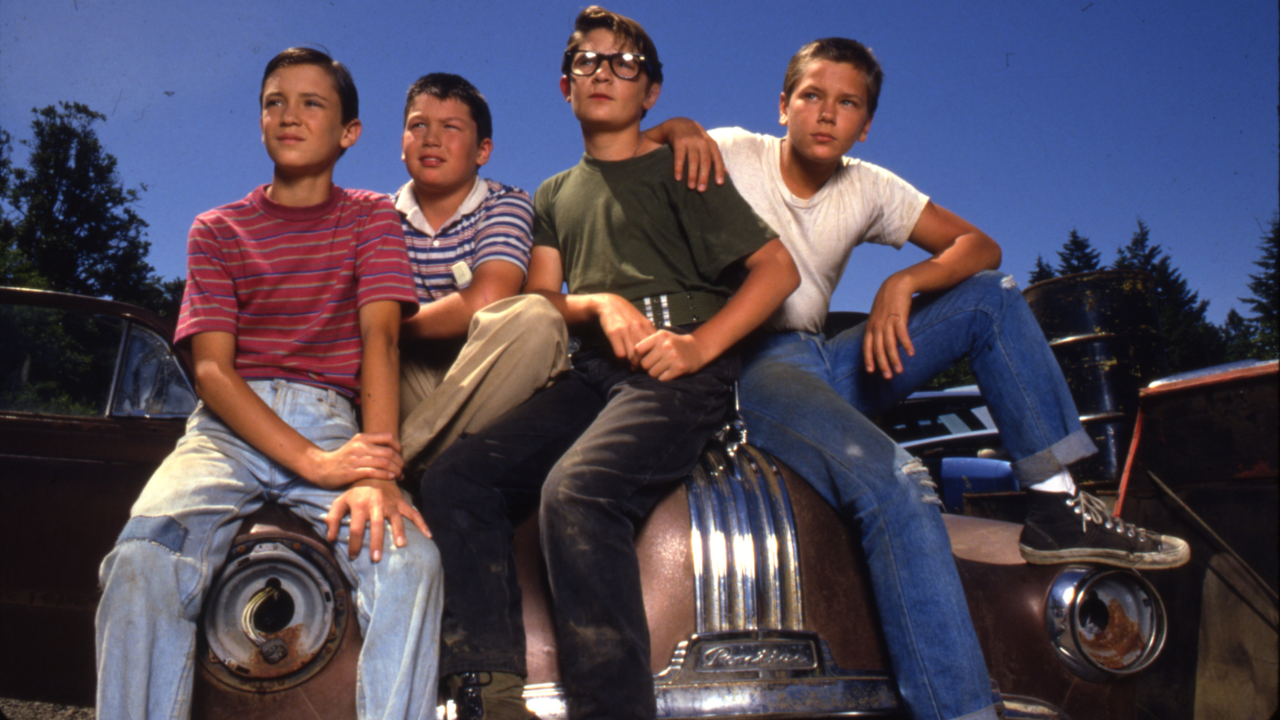
6. Stand By Me (1986)
Stephen King’s novella The Body was good. Rob Reiner’s adaptation was perfect.
The story of four boys walking through Oregon wilderness to find a dead body was transformed by Reiner into one of cinema’s most achingly beautiful coming-of-age films. The performances from River Phoenix, Wil Wheaton, Jerry O’Connell, and Corey Feldman brought a rawness and authenticity that the written word struggled to match. The final line — delivered in voiceover over a still autumn afternoon — is one of the most quietly devastating in Hollywood history. King himself has acknowledged that Stand By Me is among the finest adaptations of his work.
7. The Devil Wears Prada (2006)
Lauren Weisberger’s novel was an entertaining roman à clef about working for a terrifying fashion editor — but it was Meryl Streep who turned Miranda Priestly into a cultural icon.
Every line Streep delivered became instantly quotable. Every glance she gave became a masterclass in restrained menace. Anne Hathaway, Stanley Tucci, and Emily Blunt elevated every scene around her. The book gave the film its premise — but the film gave it everything else. Without Streep, Miranda Priestly is a mildly entertaining villain. With her, she is one of cinema’s most unforgettable characters.
8. No Country for Old Men (2007)
Cormac McCarthy’s prose is extraordinary — but famously impenetrable, punctuation-free, and occasionally exhausting.
The Coen Brothers took that material and delivered one of the most tense and beautifully crafted thrillers Hollywood has ever produced. Javier Bardem’s Anton Chigurh became one of cinema’s most terrifying villains — a character so precisely drawn that he seemed to step fully formed from some nightmare. The film won four Academy Awards including Best Picture. It did not just adapt McCarthy’s novel. It gave it the audience it deserved.
Why Cinema Sometimes Wins
A great book gives a filmmaker raw material — characters, themes, and a world to begin from. What a great director adds is something a book can never provide — music, silence, performance, and the particular magic of watching a human face tell a story that no sentence on a page can fully capture.
These films prove that the best adaptations are not translations. They are transformations.

Mohit Swami is the Head of Content at GYANTV, overseeing content strategy, editorial planning, and quality control across the platform. With experience in managing digital content workflows, he ensures that every article aligns with accuracy standards, audience relevance, and ethical publishing practices. His work focuses on building trustworthy, engaging, and reader-first content in health, lifestyle, and trending news categories.