
Hollywood loves a sequel. The moment a movie makes money, somebody in a glass office is already greenlit the follow-up. Sometimes that’s a brilliant decision. Sometimes it’s the beginning of the end. Sequels are a gamble like no other — they carry the weight of audience expectation, the pressure of matching the original, and the very real risk of ruining something people genuinely loved. So let’s talk about the ones that got it spectacularly right, and the ones that really, really didn’t.
The Best: Sequels That Actually Earned Their Place
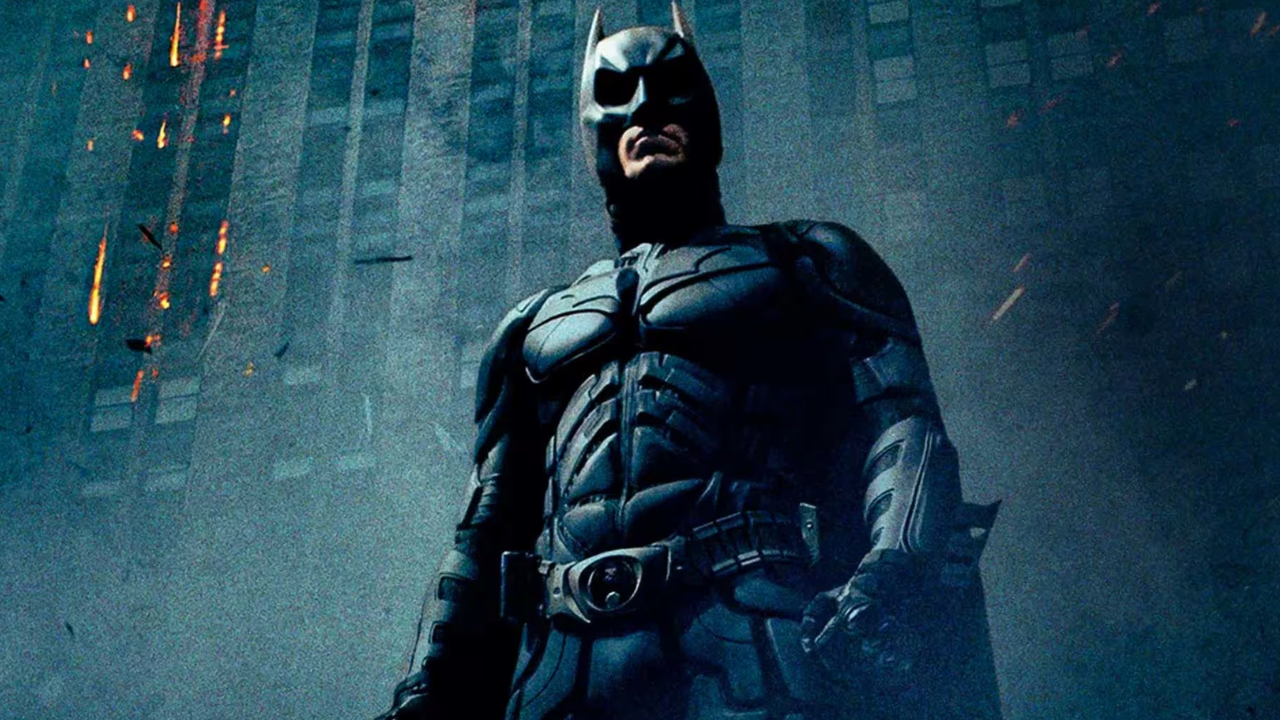
The Dark Knight (2008)
Nobody expected a Batman sequel to become one of the greatest films ever made. Christopher Nolan took everything that worked in Batman Begins and pushed it into darker, more complex territory. Heath Ledger’s Joker wasn’t just a great comic book villain — he was a great villain, full stop. The Dark Knight didn’t feel like a sequel chasing the original. It felt like a filmmaker swinging for something far bigger than a superhero movie. It won two Oscars, grossed over a billion dollars, and permanently changed how people thought about comic book cinema. That’s not a sequel. That’s a masterpiece with a prequel.
The Most Iconic Movie Outfits That Became Pop Culture Forever
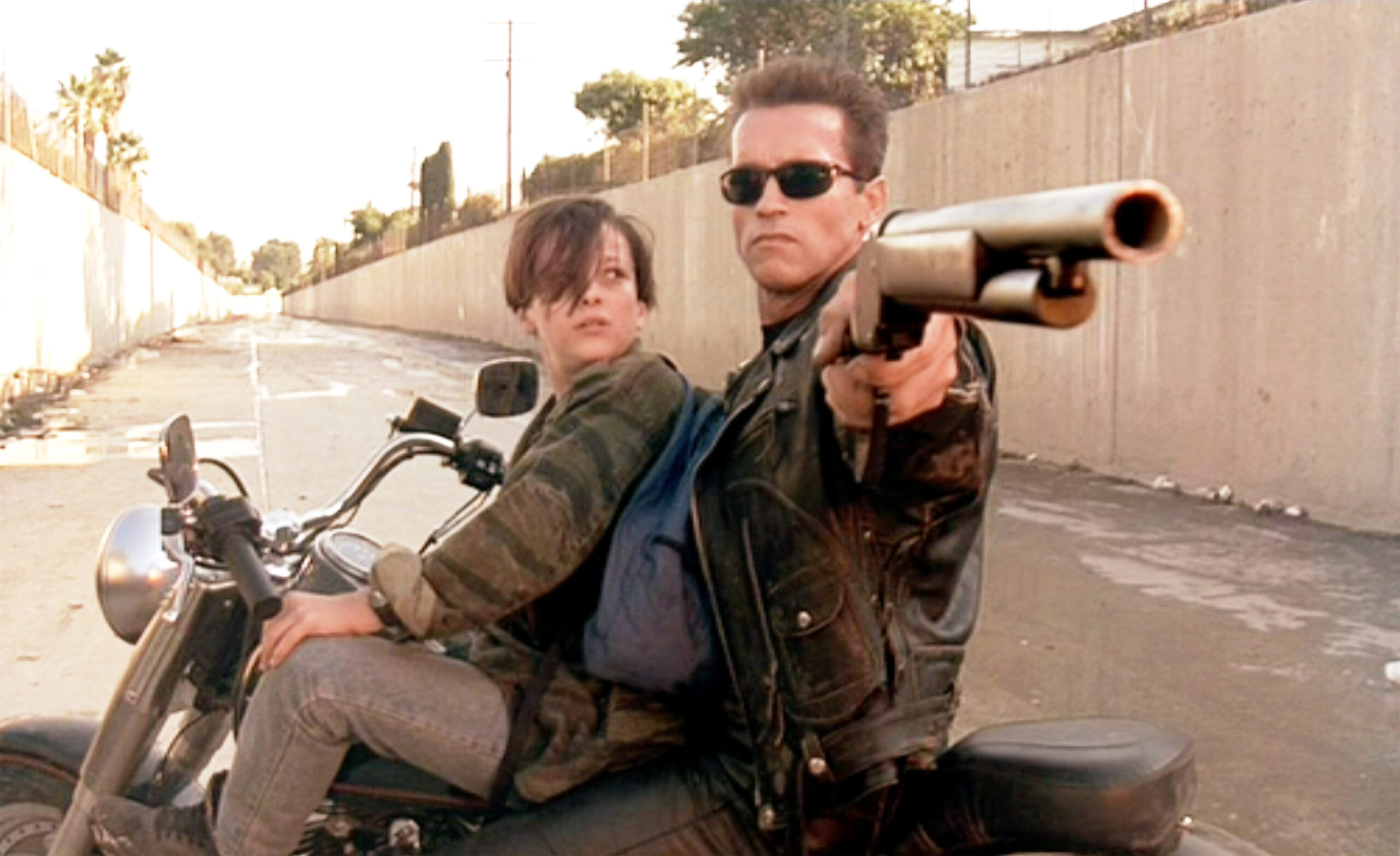
Terminator 2: Judgment Day (1991)
James Cameron made the original Terminator on a shoestring budget and created a sci-fi classic. Then he came back with a bigger budget, groundbreaking CGI, and somehow made a better film. T2 flipped the entire premise on its head — the Terminator is now the protector, not the hunter — and it worked perfectly. The liquid metal T-1000 was unlike anything audiences had ever seen. It was smarter, more emotional, and more spectacular than the original. Thirty-plus years later, it still holds up. That’s the gold standard of what a sequel can be.
Toy Story 2 (1999) and Toy Story 3 (2010)
Pixar did something almost impossible — they made a sequel that matched the original, and then made another one that made grown adults cry in cinemas. Toy Story 2 explored what it means to be forgotten, and Toy Story 3 explored letting go. Both themes hit harder than anything in the first film. This franchise is proof that if the emotional core is strong enough, a sequel doesn’t just work — it can become the defining entry in the series.
How Social Media Has Changed Hollywood Celebrity Culture Forever
The Godfather Part II (1974)
The rare sequel that many people genuinely consider better than the original. Francis Ford Coppola pulled off something remarkable — telling two parallel stories across different time periods, both of which are equally gripping. Al Pacino’s descent and Robert De Niro’s rise are two of the greatest performances in cinema history sharing the same film. It’s not a cash grab. It’s a work of art that happened to have “Part II” in the title.
The Worst: Sequels That Should Never Have Existed
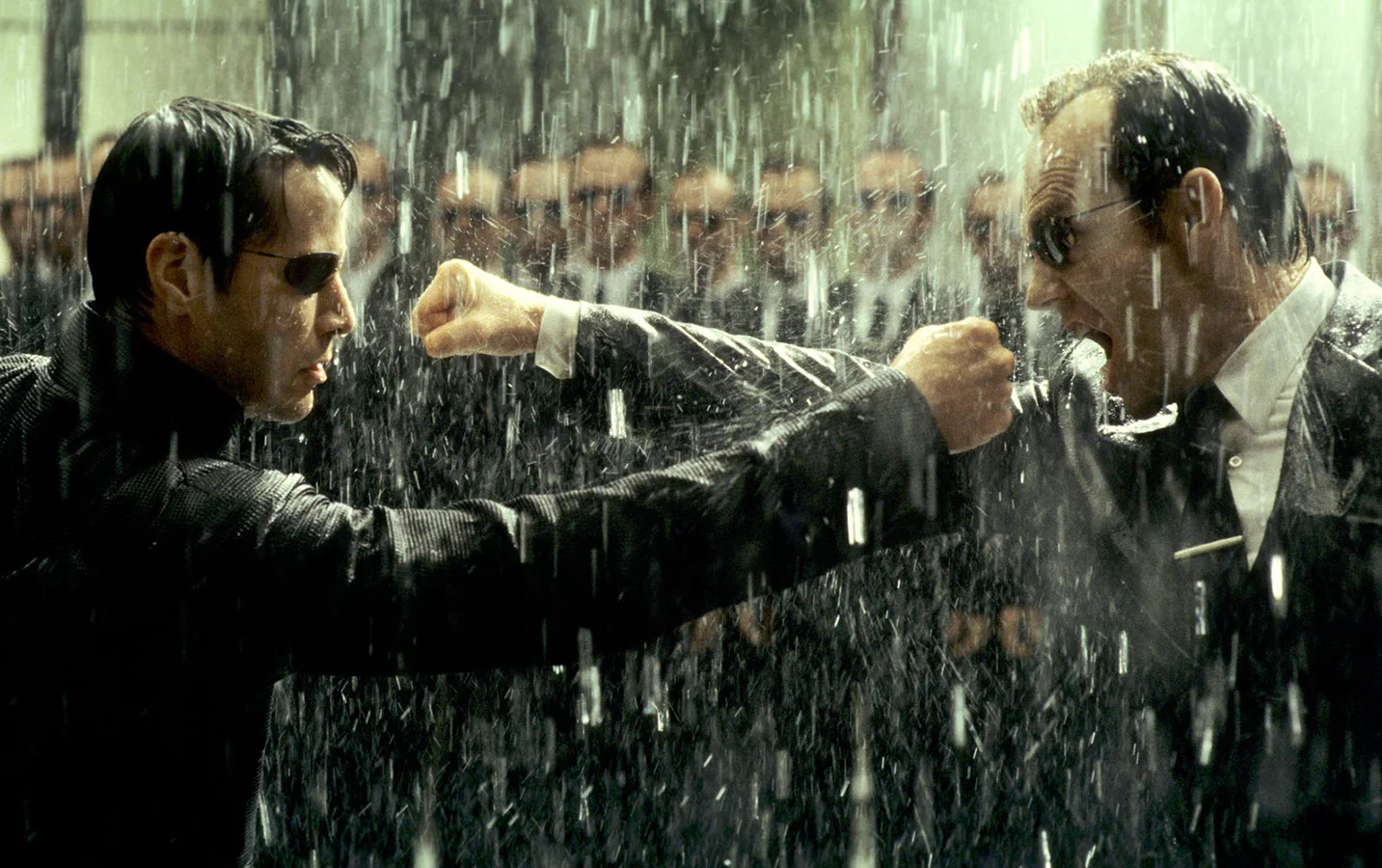
The Matrix Reloaded and Revolutions (2003)
The original Matrix was a once-in-a-generation film. Revolutionary visually, philosophically fascinating, endlessly rewatchable. Then the sequels arrived and somehow managed to make one of cinema’s most exciting worlds feel exhausting and confusing. The endless philosophical monologues, the bloated runtime, the rave scene — audiences went from electric anticipation to genuine disappointment in the space of one summer. It’s one of the most stunning franchise collapses in Hollywood history.
Indiana Jones and the Kingdom of the Crystal Skull (2008)
Nobody wanted to say it at the time because they loved Indiana Jones too much. But Crystal Skull was a mess. CGI prairie dogs, aliens, a nuclear fridge — it all felt wildly disconnected from what made the original trilogy so beloved. Harrison Ford gave it everything he had, but the script simply wasn’t there. It’s the kind of sequel that makes you wish the original had been left alone, preserved perfectly in memory.
Jaws 2 (1978) and Everything After
Jaws is a masterpiece. Steven Spielberg himself has said he never wanted a sequel. He was right. Jaws 2 is watchable enough, but every film after that drifted further into self-parody. By Jaws: The Revenge, the shark apparently holds a personal grudge against a specific family and follows them to the Bahamas. It’s the textbook example of a studio squeezing a franchise until there’s absolutely nothing left.
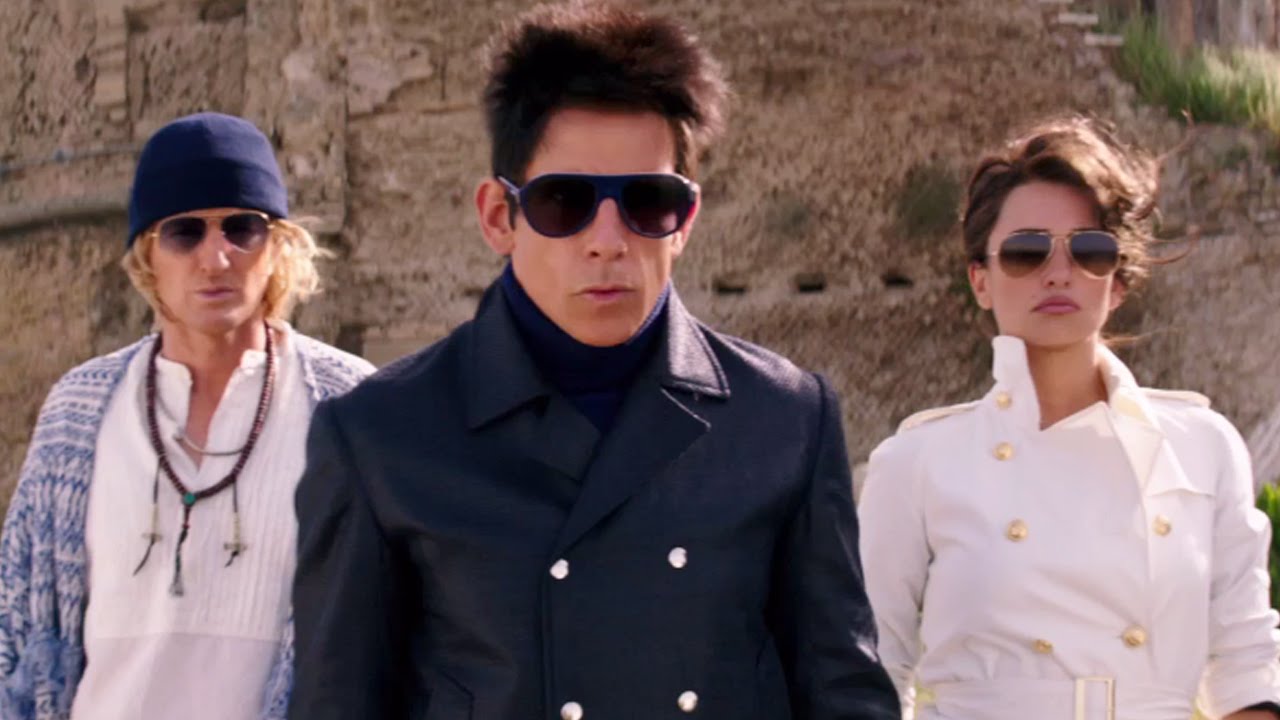
Zoolander 2 (2016)
The original Zoolander is a genuine comedy classic — quotable, stupid in the best way, perfectly timed. Fifteen years later, the sequel arrived and proved that you cannot manufacture the magic that made the first one work. The jokes felt forced, the cameos felt desperate, and the whole thing had the energy of someone explaining why a meme is funny. Some comedies should just be left alone.

Mohit Swami is the Head of Content at GYANTV, overseeing content strategy, editorial planning, and quality control across the platform. With experience in managing digital content workflows, he ensures that every article aligns with accuracy standards, audience relevance, and ethical publishing practices. His work focuses on building trustworthy, engaging, and reader-first content in health, lifestyle, and trending news categories.