
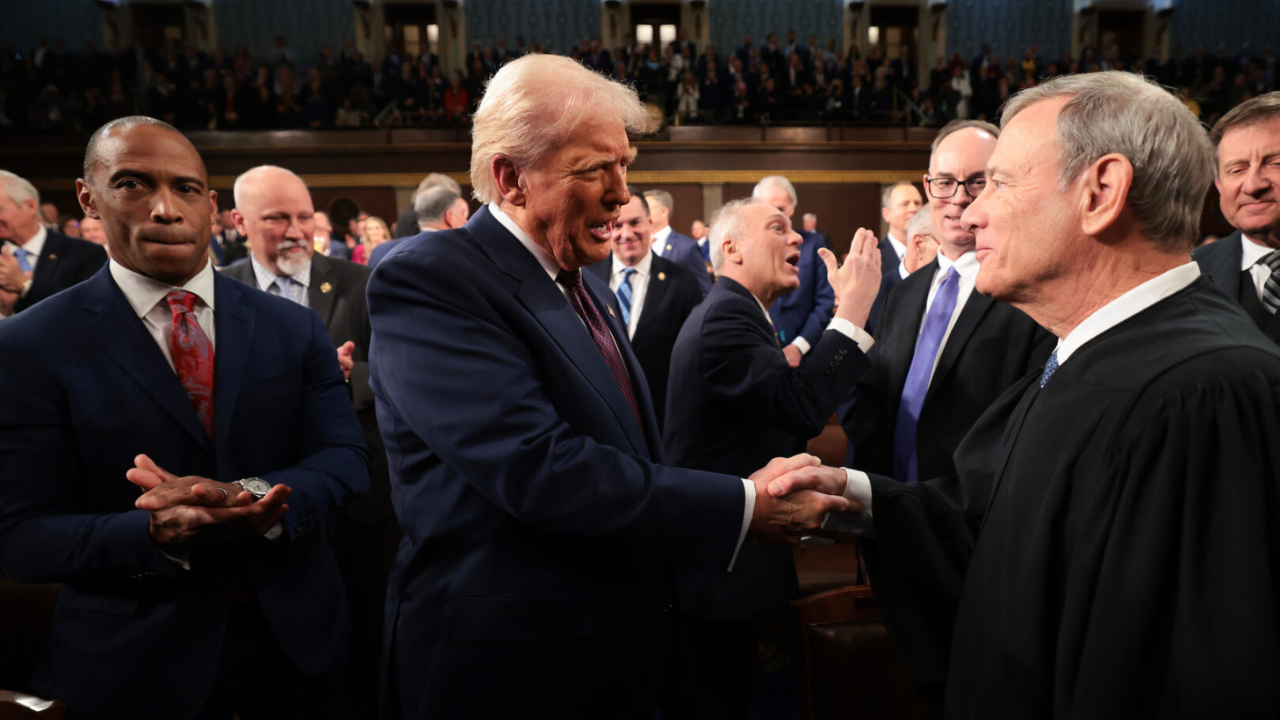
Few presidents have tested the limits of judicial power quite like Donald Trump.
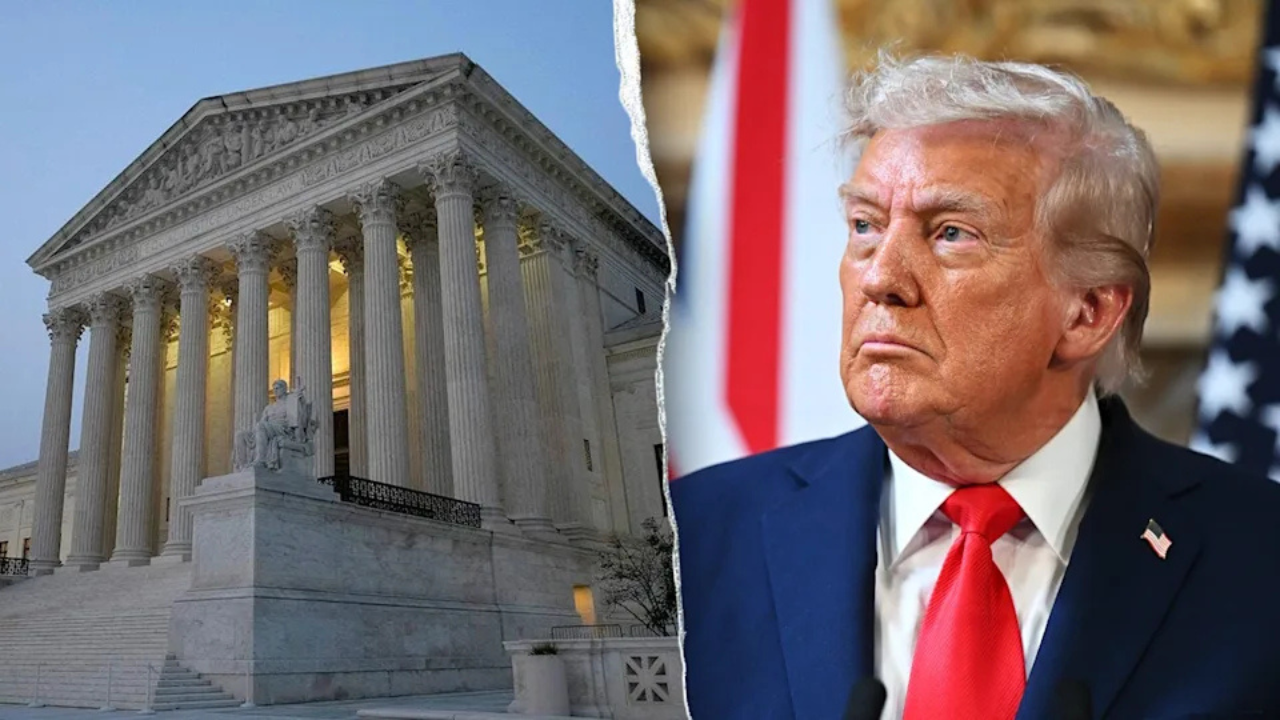
In his second term, Trump has pushed an unprecedented volume of his agenda directly into the courts — and the Supreme Court now finds itself at the center of decisions that could define presidential authority for a generation. Here is where things actually stand in 2026.
An Explosive Final Month for the Court
By June 2026, the Supreme Court faced a backlog of 23 unresolved cases as its term raced toward conclusion — many of them tied directly to Trump administration priorities.
The decisions cover an extraordinary range of issues, including presidential firing power, birthright citizenship, mail ballot deadlines, and immigration enforcement. Several cases, including challenges over the termination of Temporary Protected Status for Haitian and Syrian migrants, get at the heart of how much unilateral power a president can wield. The court has been racing to finish nearly two dozen opinions while facing a president who has been openly critical of justices who rule against him.
Presidential Firing Power — A Likely Win for Trump
One of the most consequential cases involves Trump’s effort to fire officials at independent federal agencies without giving a reason.
The case centers on the removal of Federal Trade Commission member Rebecca Kelly Slaughter, whose firing the Supreme Court has already allowed to take effect. The court has shown similar receptiveness toward Trump’s removals at other independent agencies, suggesting the justices are likely to hand him a broader victory that would significantly expand presidential control over agencies historically designed to operate independently of the White House.
Tariffs Face Their Toughest Legal Test
Trump’s sweeping tariff program — one of the signature pieces of his economic agenda — is also before the Supreme Court in 2026.
The case challenges the legal basis Trump used to impose tariffs under emergency economic powers law, questioning whether that law actually grants him the authority to set tariffs this broadly. A ruling against the administration could unravel a significant portion of his trade strategy overnight, while a favorable ruling would cement one of the broadest uses of unilateral executive trade power in modern history.
Birthright Citizenship Remains Unresolved
Trump’s attempt to end automatic citizenship for children born in the US to parents without legal status remains one of the most closely watched cases of the term.
The policy represents one of the most direct challenges to long-standing constitutional interpretation in decades, and the court’s eventual ruling is expected to have consequences far beyond this single policy — touching on how much authority a president has to reinterpret constitutional language through executive action alone.
Reshaping the Courts From Below
While Supreme Court rulings draw the headlines, Trump’s deeper and more lasting influence on the justice system may come from the hundreds of lower court appointments available to him.
Analysis from judicial advocacy groups has identified more than 300 potential judicial appointment opportunities during his second term — including existing vacancies and openings created as sitting judges shift to senior status. Since circuit courts decide the vast majority of federal cases and the Supreme Court hears only a small fraction of appeals, these appointments may shape American law more broadly and for longer than any single Supreme Court decision.
Roberts Defends Judicial Independence
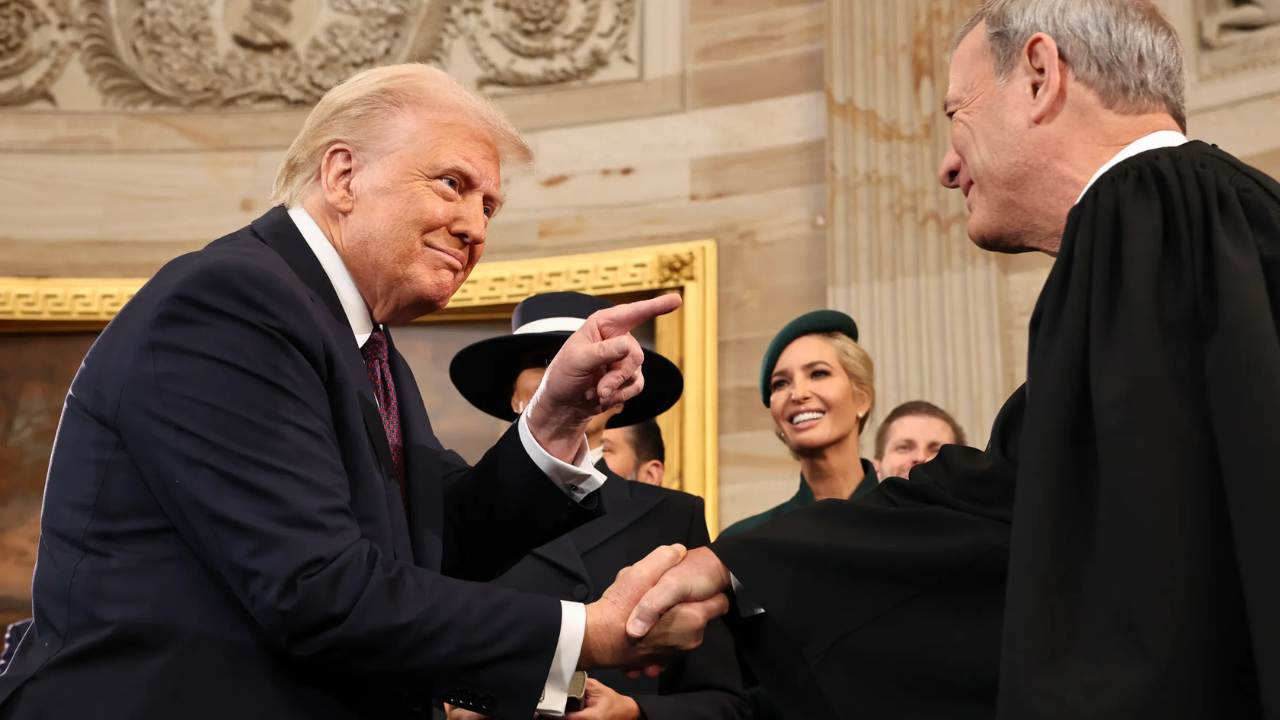
Chief Justice John Roberts has taken a notably measured public stance amid the tension.
In his annual year-end message, Roberts avoided direct commentary on Trump’s specific legal battles but emphasized the importance of life tenure and salary protections that allow federal judges to act as a check on the other branches of government. He called on judges to decide cases “according to our oath” and impartially under the Constitution — a message widely read as a quiet defense of judicial independence at a moment when it has faced significant political pressure.
A System Under Genuine Strain
The volume of litigation alone tells its own story.
The Trump administration has faced numerous legal setbacks throughout this term, including accusations of violating court orders in immigration enforcement cases. At the same time, the administration has secured real wins, particularly around expanding presidential removal power. The net effect is a judiciary being tested simultaneously from multiple directions — by an administration moving aggressively through executive action, and by a court system trying to determine exactly where the legal limits of that power lie.
What This Means Going Forward
Whatever the Supreme Court decides on tariffs, birthright citizenship, and presidential firing power this term, the deeper transformation of America’s justice system is already underway through appointments that will outlast Trump’s presidency by decades.
The combination of Supreme Court rulings and a reshaped lower judiciary means the legal framework being built right now will likely shape American law and presidential power long after the current political moment has passed.

Mohit Swami is the Head of Content at GYANTV, overseeing content strategy, editorial planning, and quality control across the platform. With experience in managing digital content workflows, he ensures that every article aligns with accuracy standards, audience relevance, and ethical publishing practices. His work focuses on building trustworthy, engaging, and reader-first content in health, lifestyle, and trending news categories.