
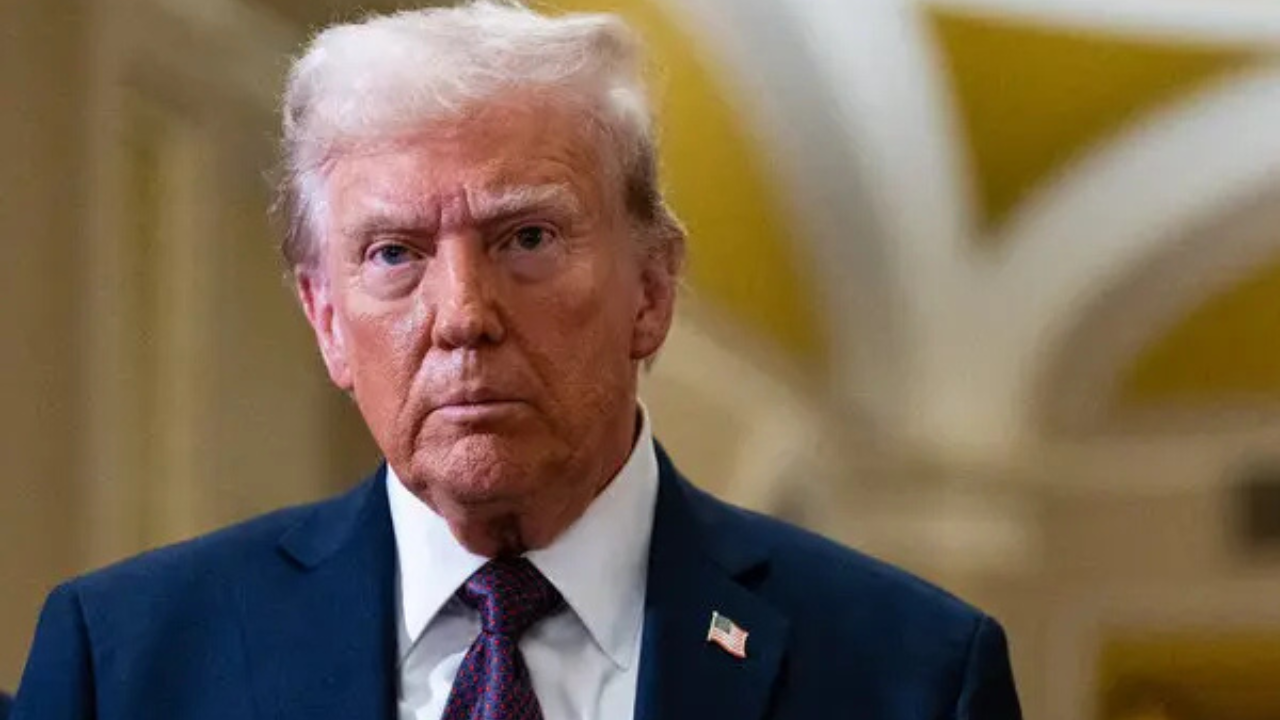
Donald Trump returned to the White House in January 2025 promising sweeping change.
Now, well over a year into his second term, the picture is mixed — some of his promises have been delivered in full, others remain contested in courts and Congress, and public opinion has shifted considerably along the way. Here is a clear, balanced look at what has actually changed in America.
Immigration — The Most Visible Shift
Border enforcement has become the most dramatic change of Trump’s second term.
Daily border encounters have dropped sharply since he took office, and the administration has carried out an aggressive deportation campaign targeting people convicted of crimes. ICE has been given expanded authority, cartels have been designated as foreign terrorist organizations, and policies like Remain in Mexico have been reinstated. Supporters call it the most secure border in American history. Critics argue the enforcement has occasionally swept up long-term residents and sparked legal battles over due process.
The Economy — A Mixed and Contested Picture
The economic story depends heavily on who is telling it.
The administration points to strong job growth, with the economy adding 172,000 jobs in May 2026 alone, expanding manufacturing, and trillions in new technology investment. The Treasury Department reports robust business investment and resilient employment growth in early 2026. At the same time, polling tells a very different story on the ground. A June 2026 Economist/YouGov poll found Trump’s approval rating on the economy had fallen to a new low, with just 24 percent approving of his handling of inflation. Grocery prices have continued rising, and tariffs on Chinese goods reaching as high as 145 percent have raised costs on everyday items including strollers and car seats.
Executive Power — Used at Record Speed
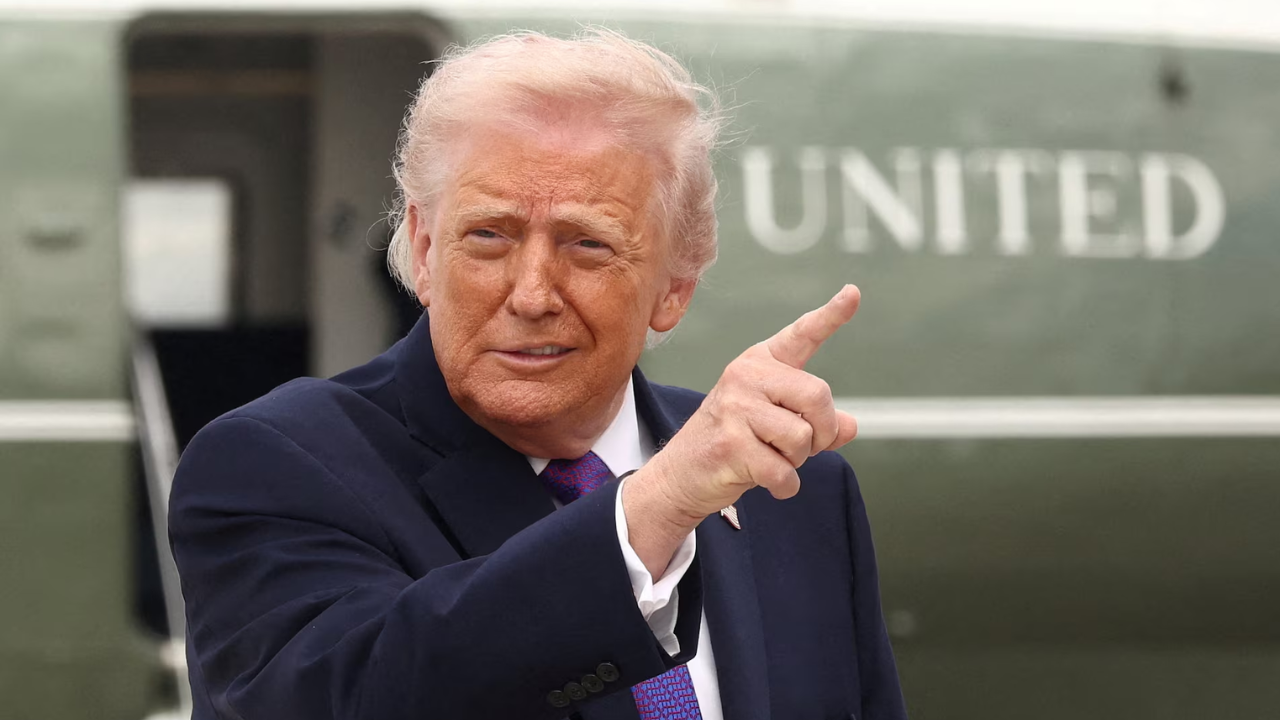
Trump has governed primarily through executive action rather than legislation.
As of April 2026 he had signed 254 executive orders, 59 memoranda, and 136 proclamations — a pace historians compare to Franklin Roosevelt’s original Hundred Days, though Roosevelt worked closely with Congress while Trump has largely bypassed it. This approach delivered fast results on trade policy, immigration, and federal agency restructuring, but it has also triggered an unusually high number of court challenges questioning the limits of presidential authority.
Government Restructuring — DOGE and Federal Cuts
The Department of Government Efficiency, initially led with input from Elon Musk, set out to audit and dramatically shrink the federal government.
Government employment has fallen for seventeen straight months according to White House figures. Thousands of federal positions have been eliminated, including scientists and researchers at health agencies. The administration frames this as cutting waste and restoring efficiency. Critics, including health policy groups, argue the cuts have damaged scientific and public health capacity, citing reduced staffing at the CDC and NIH alongside proposed billions in further budget cuts.
Public Opinion — A Genuine Divide
Approval ratings reveal a country deeply split along familiar lines.
Trump’s overall approval rating stood at around 35 percent in June 2026, with 60 percent disapproving, according to YouGov polling. The divide breaks sharply along party lines — around two-thirds of Republicans approve of his economic handling, while large majorities of Democrats and independents disapprove. Hispanic approval on the economy sits at just 22 percent. These numbers suggest that while Trump’s base remains largely supportive, he has struggled to expand approval beyond it.
Healthcare and Everyday Life
Beyond the headlines, some changes have touched ordinary Americans directly.
Major insurers including UnitedHealthcare have eliminated prior authorization requirements for a significant share of procedures following pressure from the administration — a change the White House credits to its policies. Food stamp enrollment has dropped by more than 4.3 million people following new work requirements and eligibility restrictions, which supporters describe as restoring program integrity for those who need it most.
Where Things Actually Stand
More than a year in, America under Trump looks different in concrete, measurable ways — tighter borders, a reshaped federal government, an aggressive trade policy, and a economy that different Americans are experiencing very differently depending on their income, location, and politics.
Whether these changes ultimately add up to the prosperity the administration promises or the instability critics warn against is a question that will likely take the rest of his term — and perhaps years beyond it — to fully answer.

Mohit Swami is the Head of Content at GYANTV, overseeing content strategy, editorial planning, and quality control across the platform. With experience in managing digital content workflows, he ensures that every article aligns with accuracy standards, audience relevance, and ethical publishing practices. His work focuses on building trustworthy, engaging, and reader-first content in health, lifestyle, and trending news categories.