
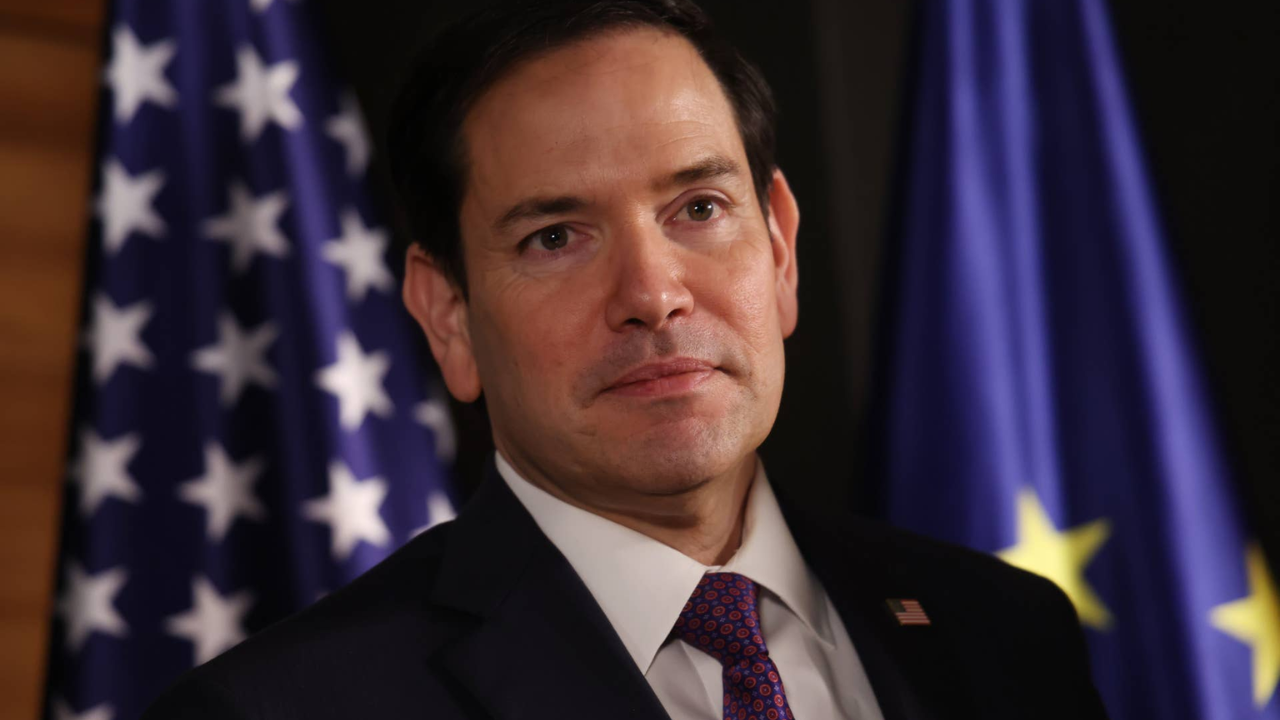
From Humble Beginnings to Capitol Hill
Marco Rubio did not grow up with money. His parents were Cuban immigrants who worked modest jobs — his father as a bartender, his mother as a maid. That background shaped everything about how Rubio approached his career and his finances.
Today, he stands as one of the most recognizable figures in American politics. And yes, his net worth reflects that rise.
What Is Marco Rubio Worth Today?
Estimates place Marco Rubio’s net worth at approximately $500,000 to $1 million. That might surprise you. For a man who has served in the U.S. Senate since 2011 and now holds the position of Secretary of State, the number feels modest.
But here is the thing — Rubio has always been open about his financial journey. He is not a billionaire. He is not a Wall Street insider. He built his wealth steadily, through public service and professional work.
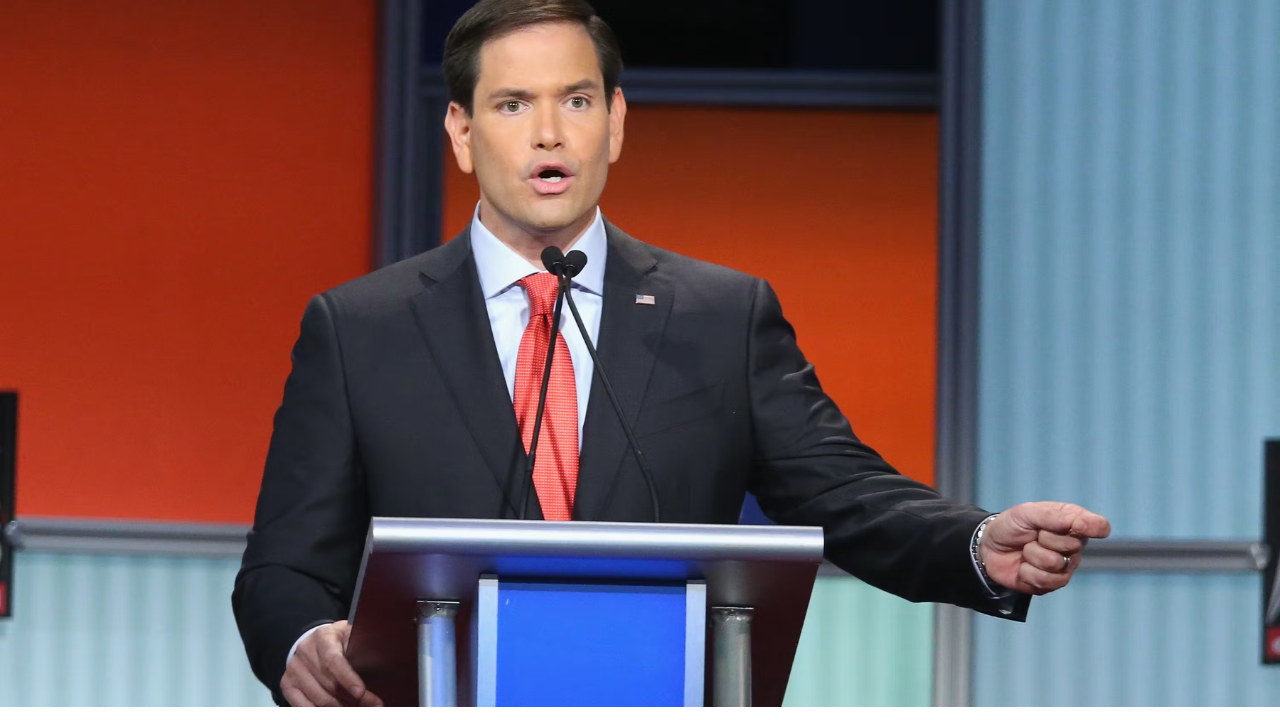
How Did He Earn His Money?
Rubio’s income has come from several clear sources over the years.
Government Salary — As a U.S. Senator, Rubio earned the standard congressional salary of around $174,000 per year. That adds up significantly over more than a decade of service. His current role as Secretary of State carries a similar federal compensation level.
Legal Career — Before entering national politics, Rubio practiced law in Florida. He also worked as a lobbyist and consultant, which contributed to his early financial foundation.
Book Deal — In 2012, Rubio published his memoir An American Son. The book told the story of his family’s immigration journey and his rise through Florida politics. It earned him a meaningful advance and solid royalties.
Teaching — Rubio also served as a lecturer at Florida International University, adding another income stream to his profile.
The Financial Struggles He Was Open About
Here is what makes Rubio’s financial story genuinely interesting. He has talked publicly about money problems — something most politicians avoid.
Early in his career, Rubio faced real financial pressure. He carried student loan debt for years. He once used a Republican Party credit card for personal expenses, which became a controversy during his 2010 Senate campaign. He addressed it directly and moved on.
That kind of transparency is rare in politics. It also makes his story more relatable to everyday Americans.
His Home and Assets
Rubio owns a home in West Miami, Florida. The property has been his primary residence for years. Real estate in that area has appreciated steadily, which adds to his overall net worth picture.
He does not own flashy investments or publicly known luxury assets. His financial profile reflects someone who lives within a government salary range — comfortable, but far from extravagant.
Why His Net Worth Stands Out
Compare Rubio’s net worth to other prominent political figures, and the contrast is sharp. Many of his Senate colleagues are worth tens of millions. Some are worth far more.
Rubio’s relatively modest wealth actually tells a story. It shows a career built on public service rather than private enrichment. For voters who feel disconnected from ultra-wealthy politicians, that distinction matters.
He came from nothing. He built something. And he did it through work, not inherited wealth.
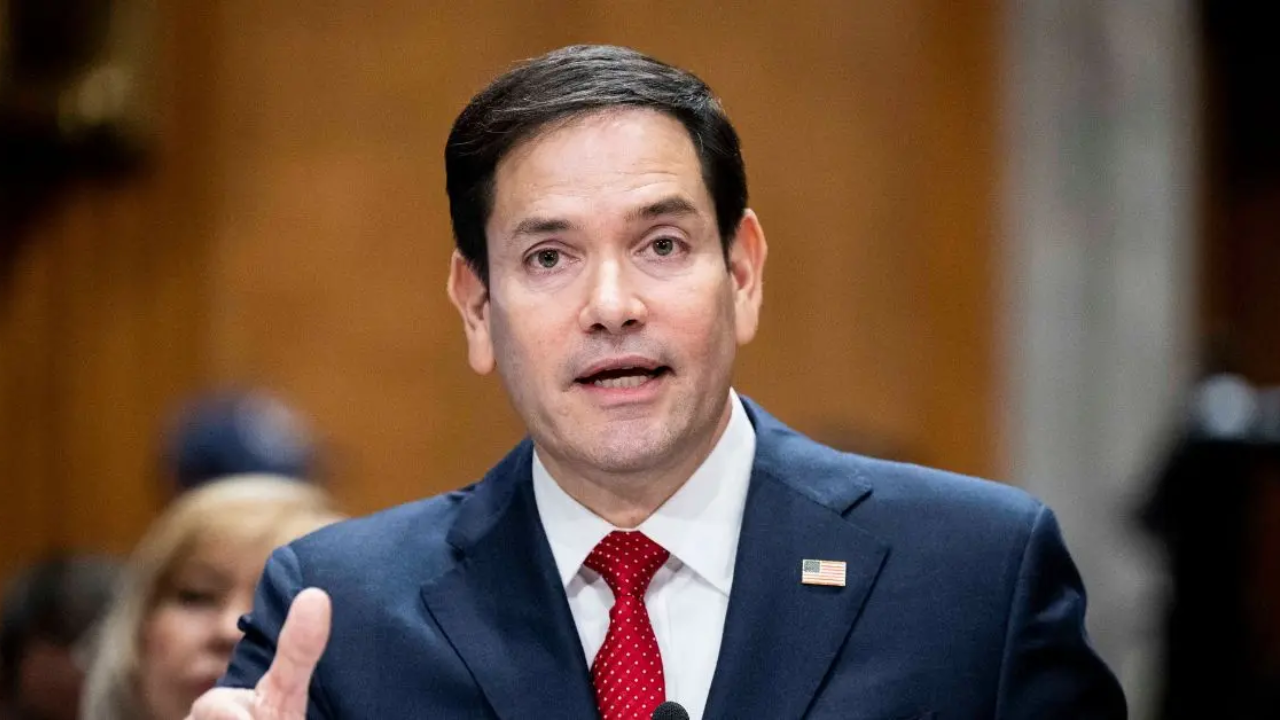
What Comes Next
As Secretary of State, Rubio now operates at the highest level of U.S. foreign policy. His public profile has never been higher. That often translates into future opportunities — speaking engagements, books, advisory roles — that can grow a net worth substantially.
Whatever comes next, his financial journey mirrors his personal one. Steady. Resilient. Built from the ground up.
If you also want to know about 5 challenges that shaped Marco Rubio’s journey click here – https://thegyantv.com/news/marco-rubio-challenges-before-washington/

Mohit Swami is the Head of Content at GYANTV, overseeing content strategy, editorial planning, and quality control across the platform. With experience in managing digital content workflows, he ensures that every article aligns with accuracy standards, audience relevance, and ethical publishing practices. His work focuses on building trustworthy, engaging, and reader-first content in health, lifestyle, and trending news categories.