
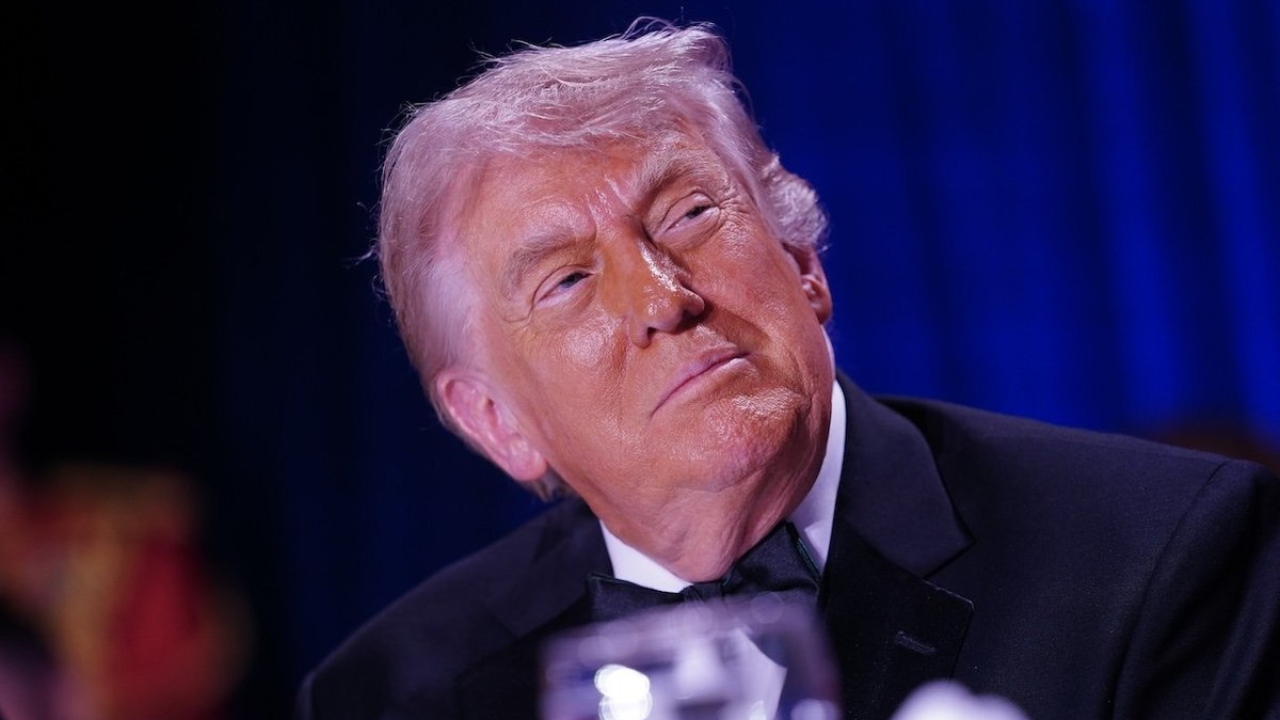
Few figures in modern history have managed to rattle the architecture of global politics quite like Donald Trump. Love him or loathe him — and the world is sharply divided on that question — there’s no honest way to discuss 21st-century geopolitics without confronting his outsized influence on it.
Trump didn’t just win an election in 2016. He detonated a cultural grenade inside the world order, and the shockwaves are still being felt from Brussels to Brasília.
The Populist Earthquake
Trump’s rise to power didn’t happen in a vacuum. It arrived at the crest of a global wave of populist frustration — a collective anger at political establishments, economic inequality, and the perceived arrogance of liberal elites.
But while others rode that wave, Trump became the wave. His brand of politics — loud, confrontational, unapologetically nationalist — gave a name, a face, and a playbook to a movement that had been building for decades. Suddenly, political outsiders everywhere had a template.
In Italy, Giorgia Meloni adopted a similar “nation first” rhetoric and became Prime Minister. In Brazil, Jair Bolsonaro modelled his entire political persona on Trump, down to the social media aggression and the distrust of mainstream media. In India, Hungary, France, and the UK, politicians recalibrated their messaging to tap into the same vein of populist energy Trump had electrified.
The “Trump Effect” wasn’t just American. It was a global political export.
Rewriting the Rules of Diplomacy
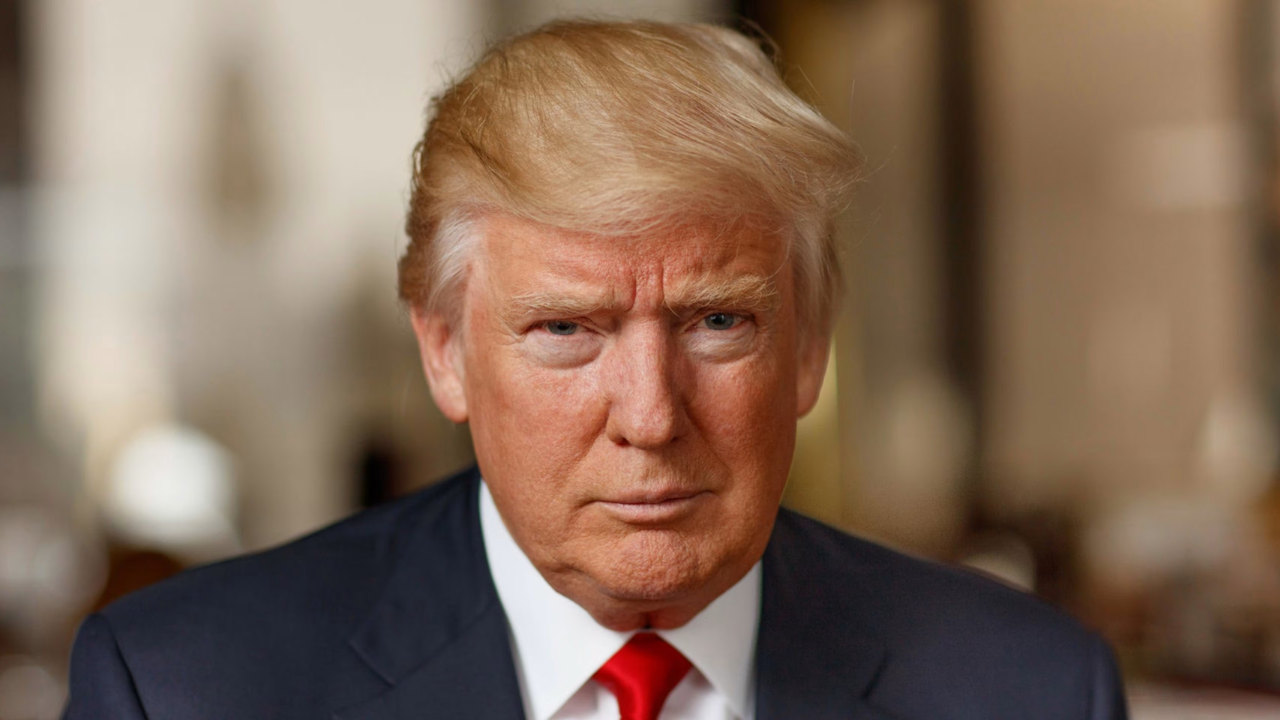
Before Trump, there was a broadly accepted script for how world leaders behaved — careful language, multilateral commitments, a respect for the quiet choreography of international relations. Trump threw that script in the bin on day one.
He pulled the United States out of the Paris Climate Agreement, questioned the value of NATO, launched trade wars with allies, and met with North Korea’s Kim Jong-un in moves that shattered decades of diplomatic protocol. Critics called it reckless. Supporters called it refreshingly direct.
Either way, it changed what “normal” looked like in global diplomacy. After Trump, the bar for political norm-breaking shifted permanently. Leaders around the world absorbed the lesson that the rules of engagement were far more flexible than previously assumed.
When the World Criticizes You, These Two Don’t Flinch — Here’s How Donald and Melania Trump Face It
The Media and the Message
No analysis of Trump’s cultural impact is complete without examining his relationship with media — and how it transformed political communication globally.
Trump weaponised Twitter (now X) in ways no world leader had before, bypassing traditional journalism entirely to speak directly to millions of followers. It was chaotic, often inflammatory, and strategically brilliant. It forced media organisations to chase his narrative rather than set their own.
The result? A global shift in political media culture. Politicians everywhere began adopting a more combative, social-media-first approach. The idea of a carefully worded press release gave way to hot takes, viral moments, and culture-war flashpoints. Political discourse — already polarising — became louder, faster, and more emotionally charged.
Polarisation as a Global Export
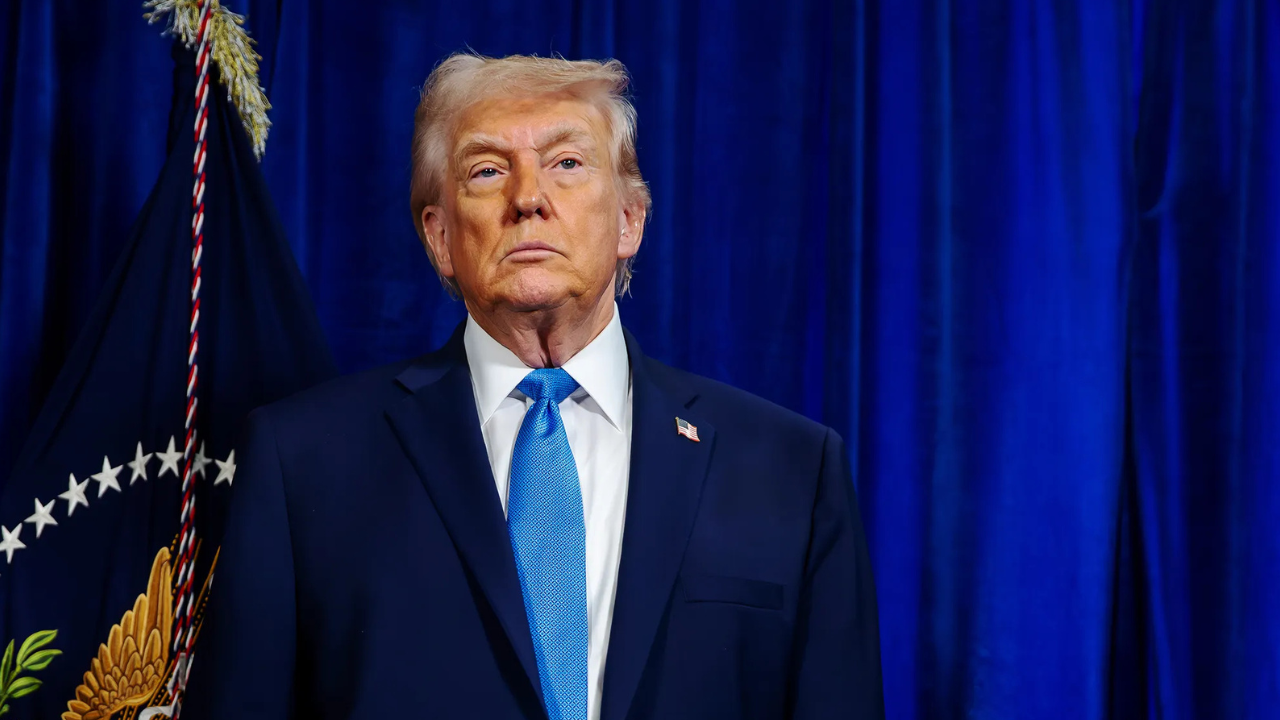
Perhaps Trump’s most enduring cultural impact is the deepening of political polarisation — not just in America, but across democracies worldwide.
The “us vs. them” framework he perfected didn’t stay contained within US borders. It seeped into political cultures everywhere, sharpening divisions between urban and rural voters, educated and working-class communities, globalists and nationalists. The middle ground in politics — never entirely stable — eroded faster than at any point in recent memory.
This polarisation has made governance harder, coalitions more fragile, and public trust in institutions lower across much of the democratic world.
A Legacy Still Being Written
Trump’s return to the White House in 2025 confirmed what many had suspected: this was never just a four-year anomaly. It was a structural shift. The political and cultural forces he activated are deeply embedded in the fabric of democratic societies — and they aren’t going away.
Whether future historians judge Trump as a symptom or a cause, one thing is clear: the global political landscape he leaves behind is fundamentally different from the one he entered.
That, more than any single policy or tweet, is his most consequential legacy

Mohit Swami is the Head of Content at GYANTV, overseeing content strategy, editorial planning, and quality control across the platform. With experience in managing digital content workflows, he ensures that every article aligns with accuracy standards, audience relevance, and ethical publishing practices. His work focuses on building trustworthy, engaging, and reader-first content in health, lifestyle, and trending news categories.