
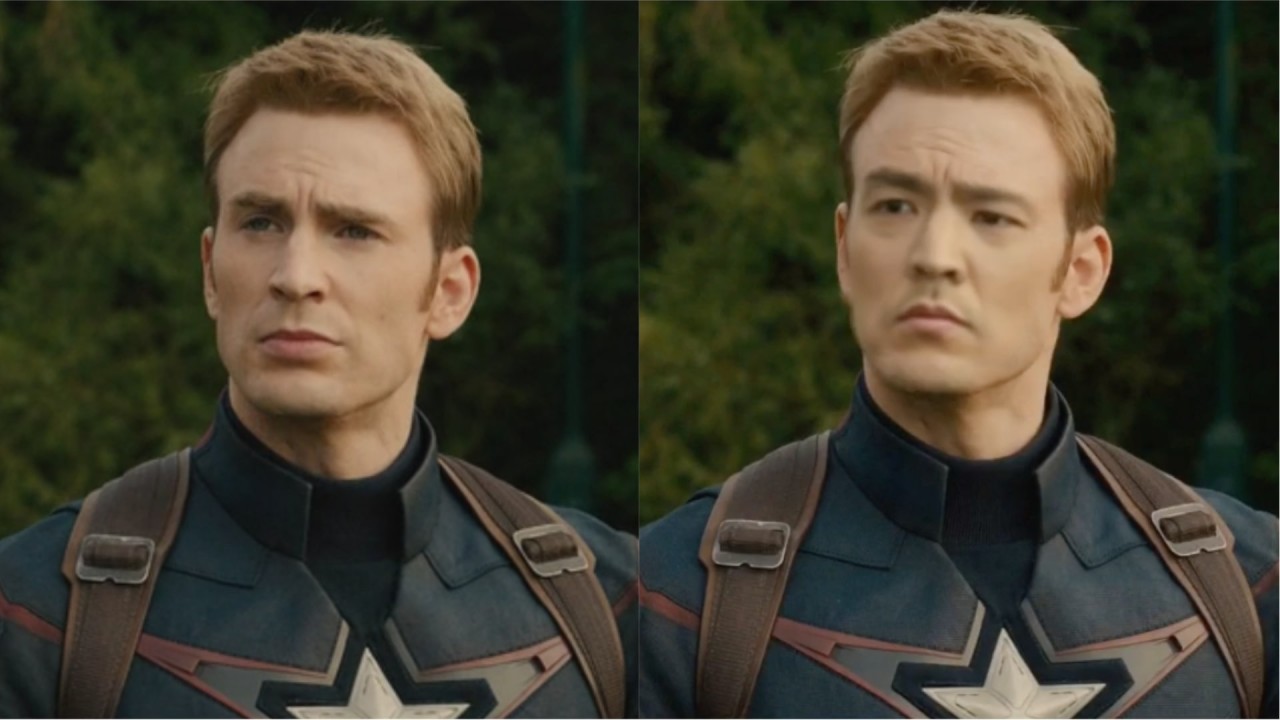
Not long ago, if an actor died mid-production, a film was either shelved or awkwardly rewritten. If a star aged out of a role, you recast. If a director wanted a younger version of a character, you hired a different actor and hoped the audience bought it. Those days are ending — fast. Deepfake technology is rewriting the rules of filmmaking, and the movie industry will never look quite the same again.
From Internet Hoax to Hollywood Tool
Deepfakes started as an internet problem. Faces swapped onto bodies without consent, viral videos of politicians saying things they never said. The technology was crude, unsettling, and almost entirely associated with harm. But underneath the controversy was something undeniable: this was genuinely powerful technology, and it was only going to get better.
Hollywood noticed. Studios began quietly investing in AI-driven visual effects that could de-age actors, recreate deceased performers, and seamlessly alter on-screen appearances in post-production. What once required months of painstaking CGI work could now be achieved faster, cheaper, and — increasingly — more convincingly.
The De-Aging Revolution
The most visible application of deepfake-adjacent technology in cinema is de-aging. Marvel has been doing it for years — Robert Downey Jr. as a young Tony Stark in Civil War, Samuel L. Jackson looking like it’s 1995 in Captain Marvel. The Irishman used it to show Robert De Niro, Al Pacino, and Joe Pesci across five decades of a single story.

The results have been mixed. Early efforts often produced that uncanny valley effect — faces that look almost right but trigger an instinctive unease in viewers. But the technology has accelerated dramatically. What looked plastic and strange in 2019 looks increasingly seamless today, and the gap closes with every new release.
This matters enormously for storytelling. Directors can now cast an actor they love and follow their character from youth to old age without recasting. The continuity of performance — the same eyes, the same mannerisms, the same voice — creates an emotional authenticity that no amount of clever casting can fully replicate.
Bringing Back the Dead
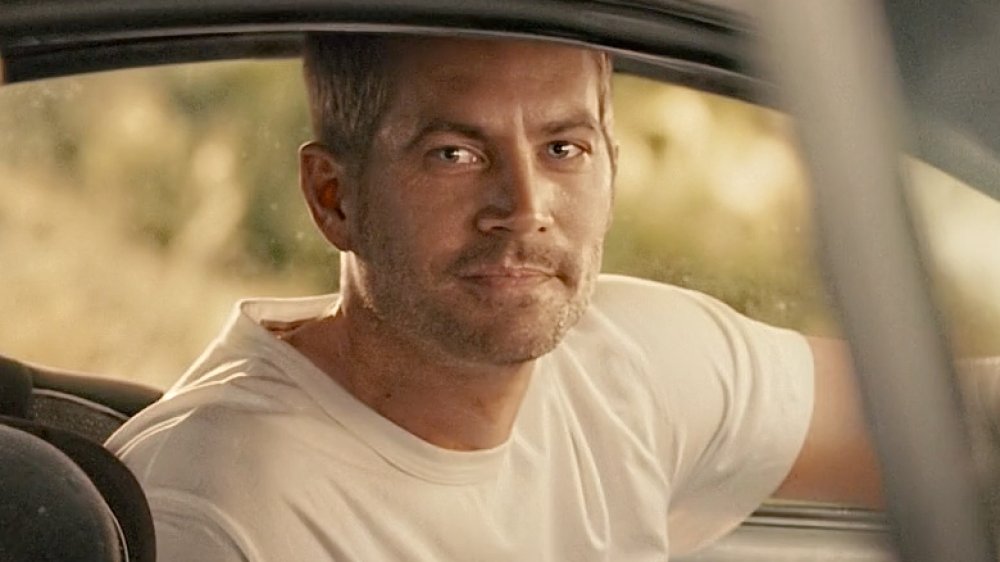
This is where it gets genuinely complicated. When actor Paul Walker died in 2013 during the production of Furious 7, the filmmakers used digital face replacement and his brothers as body doubles to complete his scenes and give his character a farewell worthy of the franchise. The result was moving. It was also a preview of what was coming.
Peter Cushing, who died in 1994, appeared in Rogue One: A Star Wars Story in 2016 — recreated digitally, with his estate’s permission, to play Grand Moff Tarkin. The performance was convincing enough to hold scenes alongside live actors. It sparked fierce debate: is this respectful tribute or something more troubling? And crucially, where does it end?
The answer, if studios have their way, is that it doesn’t. Already, contracts are being drawn up that include clauses granting studios rights to an actor’s digital likeness. The implications are staggering. A star who dies today could, in theory, appear in films for decades to come — their image licensed, their face rendered, their legacy managed by a corporation rather than their own choices.
What It Means for Living Actors
The threat isn’t only to the deceased. Background actors and extras are already feeling pressure — why hire 200 people for a crowd scene when AI can populate it? The 2023 SAG-AFTRA strike made digital likeness rights a central battleground, with studios seeking the ability to scan an actor’s appearance and use it indefinitely for minimal pay.
For A-list talent, the dynamic is more nuanced. Deepfake technology could eventually allow one bankable face to appear in multiple productions simultaneously, or let studios cast a beloved legacy actor in a franchise long after they’ve retired. That’s lucrative for studios and potentially for stars who negotiate smartly. But it fundamentally shifts the power dynamic in an industry already heavily tilted toward the people holding the chequebook.
The Creative Possibilities Are Real
Strip away the ethical noise for a moment, and the creative potential is genuinely exciting. Filmmakers can now tell stories that were previously impossible — not just because of budget, but because of biology. A director can follow a character from birth to death with one actor. Historical figures can be portrayed with unprecedented visual accuracy. Experimental narratives that jump across time become dramatically richer when the same face anchors every era.
Deepfake technology, used well, isn’t about deception — it’s about continuity, possibility, and a new kind of visual truth.
Netflix Is Buying Warner Bros. — What It Means for Movie Lovers
The Question Nobody Can Avoid
The technology exists. It’s improving rapidly. And the financial incentives for studios to use it aggressively are enormous. The real question isn’t whether deepfakes will reshape cinema — they already are. The question is who gets to decide how, and whose interests get protected in the process.
Movies have always been about illusion. Deepfakes just make the illusion harder to see. Whether that’s magic or something more unsettling depends entirely on the hands holding the controls.

Mohit Swami is the Head of Content at GYANTV, overseeing content strategy, editorial planning, and quality control across the platform. With experience in managing digital content workflows, he ensures that every article aligns with accuracy standards, audience relevance, and ethical publishing practices. His work focuses on building trustworthy, engaging, and reader-first content in health, lifestyle, and trending news categories.