
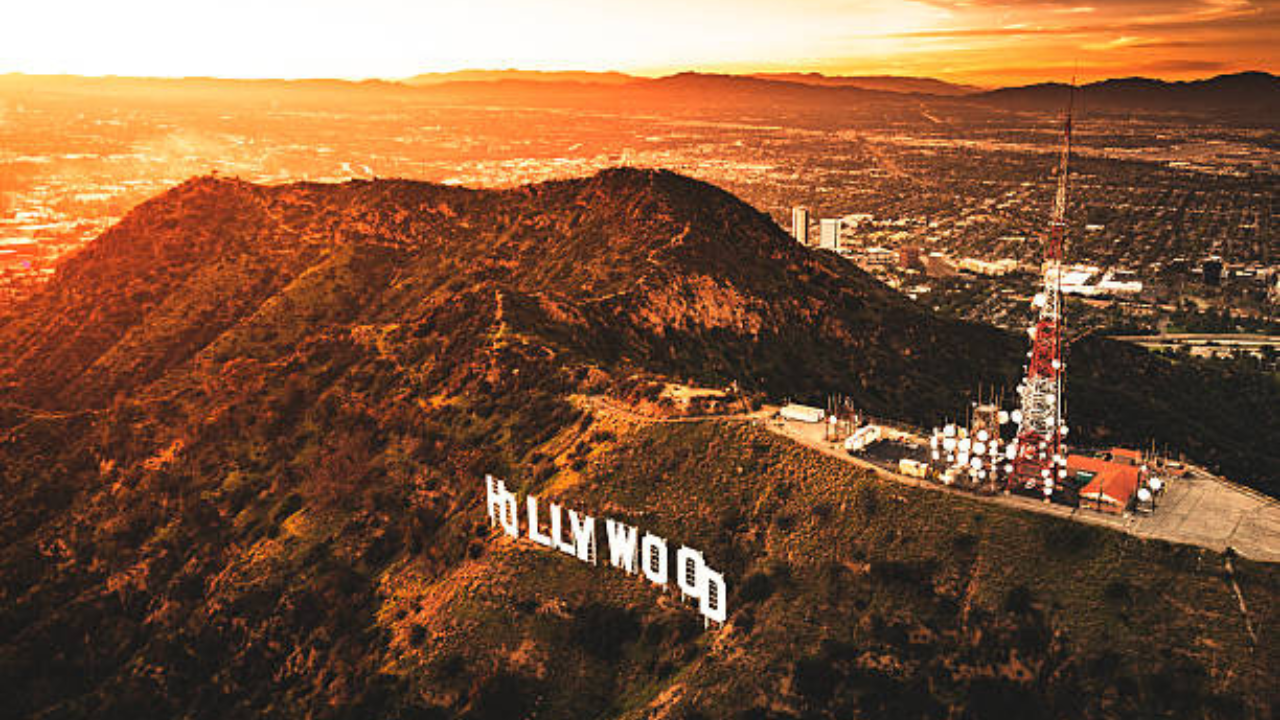
There was a time when Hollywood celebrities felt completely out of reach. You saw them on magazine covers, watched them on red carpets, and read about them in carefully staged interviews. Fame had a layer of mystery — and that mystery was part of its magic. Then social media arrived. And everything changed.
The Wall Came Down
Before Instagram and Twitter, celebrities were managed through layers of publicists, agents, and editors. Everything the public saw was controlled, polished, and perfectly timed. Social media shattered that system overnight. Suddenly, a movie star could post a blurry selfie from their kitchen. A singer could tweet their frustration after a bad review. An athlete could share a raw emotional video minutes after a loss. The distance between Hollywood and the public collapsed — and it has never been rebuilt. Fans no longer just admired celebrities from afar. They followed their daily lives, reacted in real time, and felt a genuine sense of personal connection. Fame stopped being something you witnessed. It became something you scrolled through before bed.
Direct Access — For Better and Worse
Social media gave celebrities something they had never had before — the ability to speak directly to their audience without a filter. No more waiting for a magazine interview. No more carefully worded press releases. A single Instagram post could reach 300 million people in seconds. Celebrities could announce projects, address controversies, and show their real personalities entirely on their own terms. But that access came with a price.
Posting became part of the job. Silence started to feel suspicious. Fans expected constant updates, behind-the-scenes glimpses, and personal moments on demand. The pressure to remain visible — and likable — every single day became relentless.
Many stars, including Tom Holland and Selena Gomez, have spoken openly about how this constant exposure damaged their mental health. The same platform that gave them power also made them feel trapped.
The Rise of Cancel Culture
Social media did not just give celebrities a voice. It gave the public one too — and a very loud one at that. In the pre-social media era, a celebrity scandal could be managed quietly behind closed doors. PR teams could bury negative stories, and controversies faded within weeks. Today, a single tweet can end a career overnight.
Cancel culture — where audiences collectively withdraw support from a celebrity who has crossed a line — is one of social media’s most powerful and controversial inventions. It has held stars accountable in ways that were previously impossible. It has also been criticized for being swift, permanent, and unforgiving, leaving little room for growth or redemption. The court of public opinion now operates faster than any studio, network, or PR team can respond.
Celebrities Are Now Brands
Perhaps the most significant shift social media has created is the transformation of celebrities into full-scale personal brands. In the past, a star’s value was measured by their box office earnings or album sales. Today, their Instagram following, engagement rate, and brand partnerships are equally — sometimes more — important.
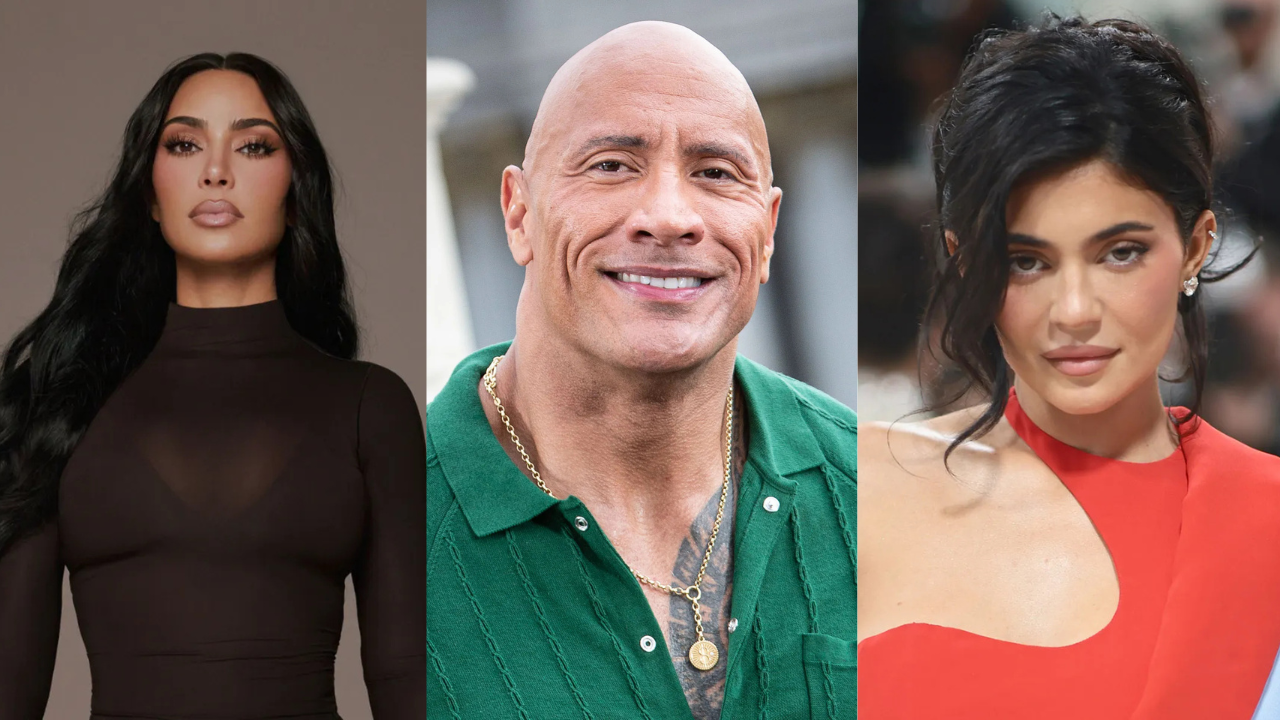
Kim Kardashian built a billion-dollar empire through social media. Kylie Jenner launched Kylie Cosmetics almost entirely through Instagram posts. Dwayne Johnson uses his platform to personally drive ticket sales for every film he releases.
The line between celebrity and entrepreneur has all but disappeared. Social media turned a famous face into a business tool — and Hollywood has never been the same since.
A New Kind of Fame
Social media also broke Hollywood’s monopoly on who could become famous. Before platforms like YouTube and TikTok, becoming a celebrity required a studio contract, a record deal, or a major casting break. Fame was gated — and Hollywood held the keys.
Today, a teenager in their bedroom can build a following of millions without a single Hollywood connection. Influencers, YouTubers, and TikTok creators compete directly with traditional movie stars for brand deals, audience attention, and cultural relevance. Hollywood did not see this coming. And it is still figuring out how to respond.
Fame Evolved — It Did Not Die
Social media did not destroy Hollywood celebrity culture. It completely rebuilt it. Less mystery. More access. Less distance. More pressure. The red carpet still exists — but now it runs straight through a smartphone screen.
Celebrities are no longer untouchable icons floating above the rest of the world. They are visible, vocal, and vulnerable in ways that feel genuinely human. That shift has changed how we admire, criticize, and connect with them forever. And there is absolutely no going back.

Mohit Swami is the Head of Content at GYANTV, overseeing content strategy, editorial planning, and quality control across the platform. With experience in managing digital content workflows, he ensures that every article aligns with accuracy standards, audience relevance, and ethical publishing practices. His work focuses on building trustworthy, engaging, and reader-first content in health, lifestyle, and trending news categories.