
Some movies do not get a fair shot the first time around. They open on a Friday, earn a fraction of their budget, and disappear from theaters within weeks. Critics shrug. Studios panic. Everyone moves on.
Then something interesting happens.
Years later, those same films find their audience. Fans discover them on DVD, late-night TV, or streaming. Word spreads. Suddenly, a forgotten flop becomes something people quote at dinner tables and rewatch every Halloween. That is the magic of a cult classic — and Hollywood history is full of them.
Let’s talk about some of the most remarkable turnaround stories in cinema.
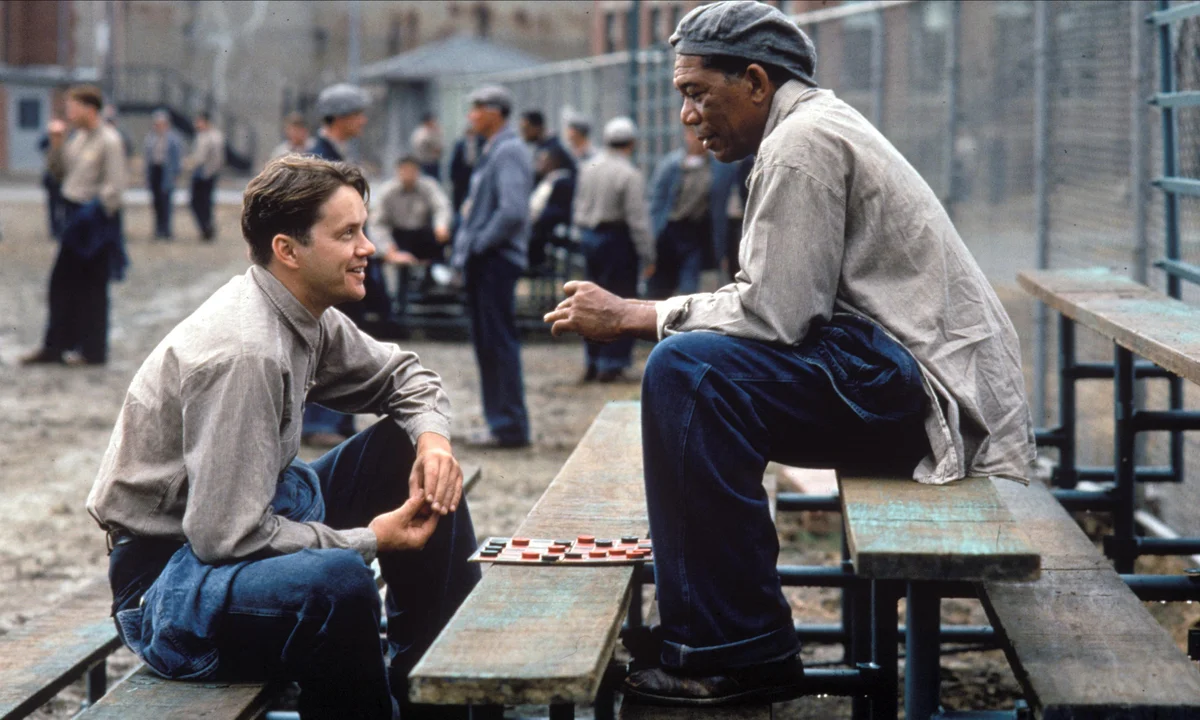
The Shawshank Redemption (1994)
Hard to believe, right? Today it sits at the top of countless “best movies ever” lists, but The Shawshank Redemption was considered a box office flop on release. It did not even earn $1 million on opening weekend and brought in just $16 million during its initial run, falling short of its $25 million budget.
Tim Robbins once joked that audiences could not even remember the title. Yet word of mouth kept it alive. Award nominations helped too. Today, it sits among the most beloved films ever made. Timing and marketing failed it — but the story never did.
Blade Runner (1982)
If you were not born in the eighties, you would never guess Blade Runner initially flopped. When people discuss well-made sci-fi, it is often the first title mentioned after Star Wars. Its modest return of $41.8 million explains why it took so long for a sequel to arrive.
Audiences in 1982 expected an action-packed adventure. Instead, they got a slow, cerebral meditation on humanity and artificial intelligence. Critics were divided. Studios were disappointed. Over time, though, film lovers caught up with Ridley Scott’s vision. Now it influences virtually every sci-fi film that follows it.
Office Space (1999)
Mike Judge’s workplace comedy barely made a dent at the box office. It grossed just $12.2 million on a $10 million budget — not exactly a disaster, but far from a success. Fox was not impressed.
Then home video arrived. People watched it at home, passed it to coworkers, and quoted it endlessly. The film even turned Swingline red staplers into one of the best-selling office supply products in America. Few comedies have aged as well. Every generation that enters the workforce discovers it and immediately feels seen.
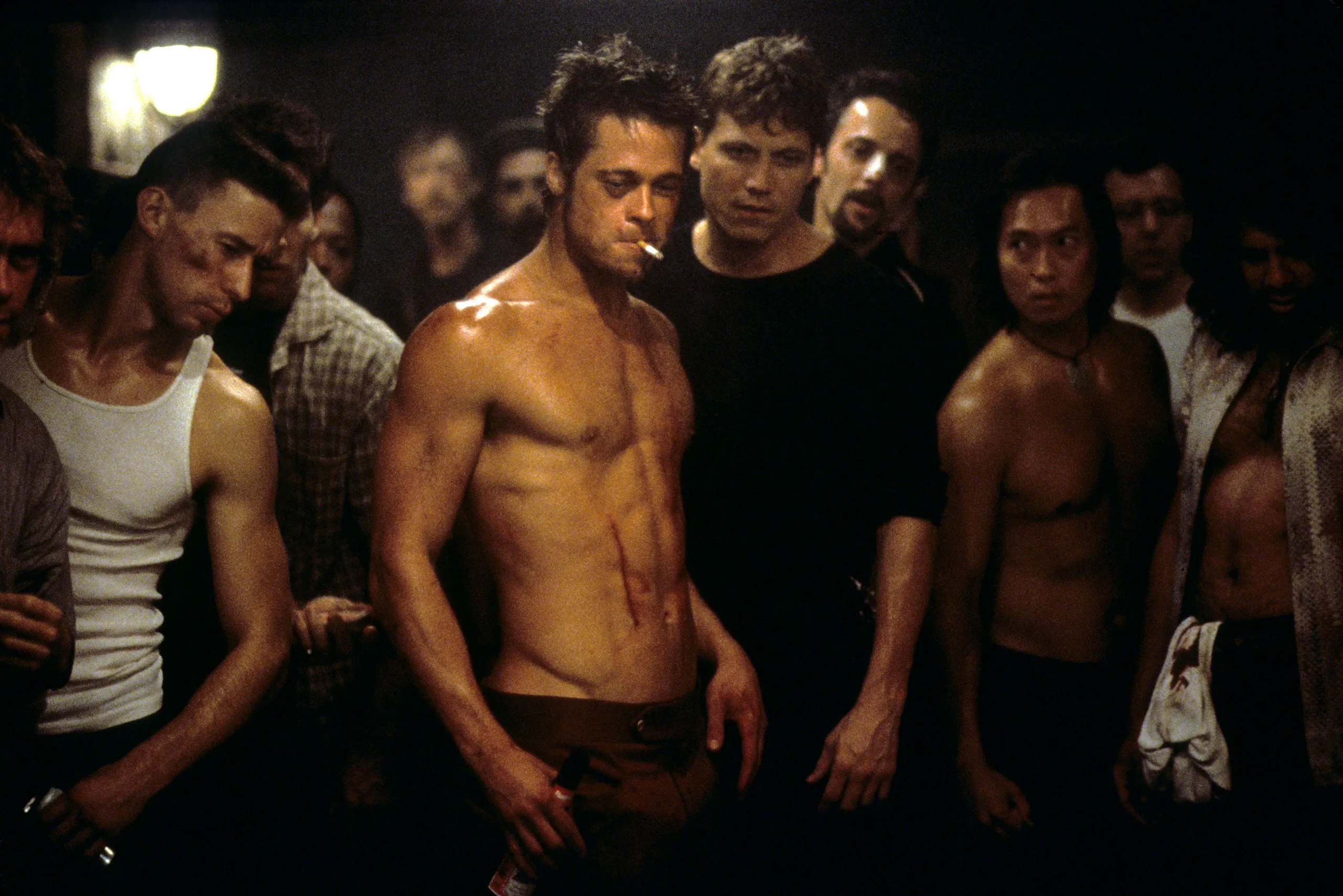
Fight Club (1999)
Fight Club pulled in just $37 million against a $63 million budget. Critics were split. Some called it brilliant. Others called it irresponsible. Studios were frustrated regardless.
Then DVD sales changed everything. College students latched onto it. Its anti-establishment themes resonated deeply with younger audiences who felt left out of mainstream culture. David Fincher’s film is now studied in film schools and discussed as one of the defining movies of its era. Not bad for a box office disappointment.
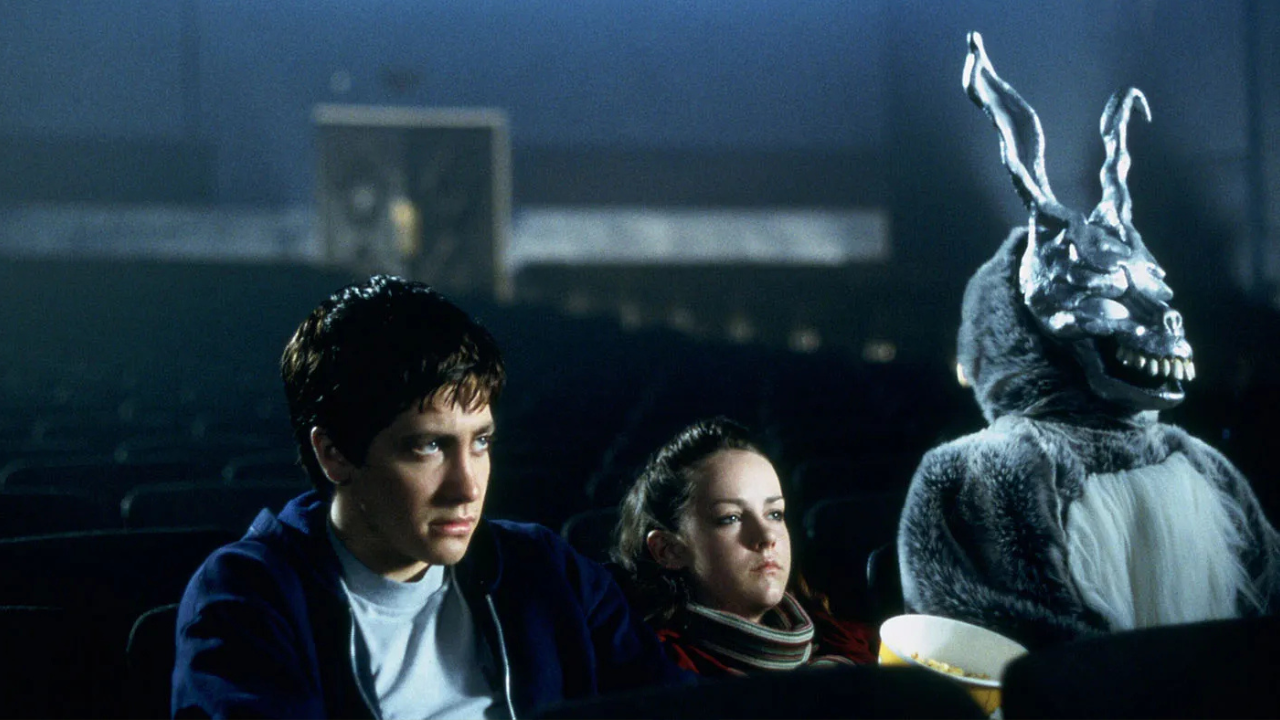
Donnie Darko (2001)
This film, which launched the careers of Jake and Maggie Gyllenhaal, initially earned just $500,000 during its US theatrical run. Its budget was $4.5 million — making that number especially painful.
Poor timing played a role. Its release came just weeks after a national tragedy, and a plot involving a falling airplane engine felt too raw for audiences at the time. However, its UK release and later DVD run built a passionate following. Today, Donnie Darko is considered one of the most thought-provoking teen films ever made.
Hocus Pocus (1993)
Disney considered Hocus Pocus a box office failure, earning just $39 million domestically off a $28 million budget. Critics were not kind either. It seemed destined for obscurity.
Then cable television stepped in. Year after year, channels aired it every October. Children grew up watching it, then showed it to their own kids. Eventually, it became the Halloween movie for millions of American families. Die-hard fans kept it alive through home video and TV — and the rest is history.
Scott Pilgrim vs. the World (2010)
Edgar Wright’s wildly creative adaptation of the beloved graphic novel was a commercial disaster. Universal lost significant money on it. Despite its creative action scenes and sharp humor, mainstream audiences found its style too quirky.
Online communities saved it. Gamers, comic book fans, and cinephiles embraced every frame of its video game aesthetic. That devoted fan base was even enough to bring the original cast back together for a 2023 animated adaptation. Not many flops get a second life like that.
What These Films Teach Us
Here is the beautiful lesson in all of this. A box office number does not define a film’s legacy. Marketing, timing, and audience trends can all work against a great movie. What truly matters is whether the story connects with people — even if that connection takes years to happen.
The films above all failed fast and then found their footing slowly. They remind us that the movies we dismiss today might become someone’s all-time favorite tomorrow. So next time a film flops, maybe give it a second chance. You might be watching tomorrow’s cult classic.

Mohit Swami is the Head of Content at GYANTV, overseeing content strategy, editorial planning, and quality control across the platform. With experience in managing digital content workflows, he ensures that every article aligns with accuracy standards, audience relevance, and ethical publishing practices. His work focuses on building trustworthy, engaging, and reader-first content in health, lifestyle, and trending news categories.