
Let me ask you something honestly. Have you ever watched a movie and quietly hoped the villain would win?
Maybe you found yourself nodding along when Thanos explained his plan. Perhaps you felt a strange pull toward the Joker as his world crumbled around him. You are not broken. You are not alone. According to a survey of over 2,000 adults, 51% of Americans always or often root for the villain in a TV show or movie.
That is not a coincidence. There is real science behind it — and it says something fascinating about all of us.
Heroes Are Predictable. Villains Are Not.
Think about your favorite hero for a moment. They follow a moral code. They make the right choice, usually at the last second, and the day gets saved. Reliable. Admirable. Slightly boring.
Now think about Joker or Thanos. Villains are layered, unpredictable, and driven by deep motivations. They often carry tragic backstories, which makes them feel far more human than a hero on autopilot.
That unpredictability keeps us leaning forward. We genuinely do not know what they will do next. Heroes rarely give us that feeling. Villains do it every single scene.

Thanos: The Villain Who Had a Point
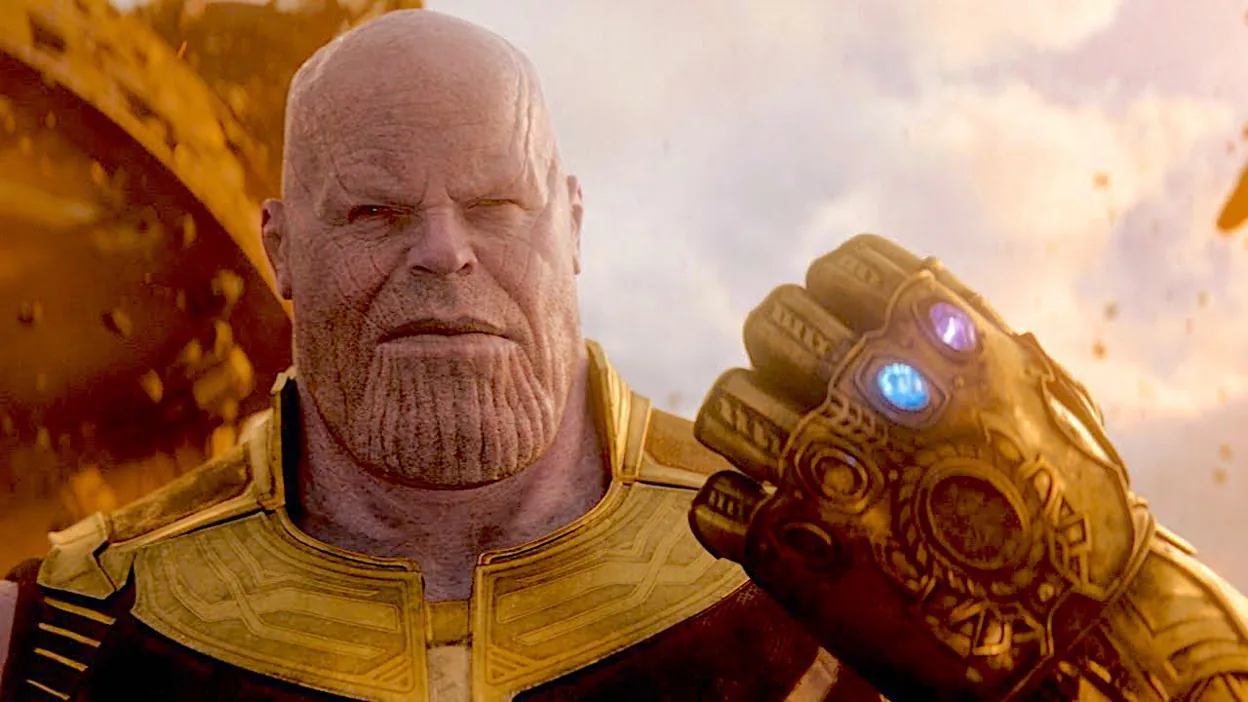
Here is where it gets uncomfortable. Thanos genuinely believes he is doing the right thing. His conviction that wiping out half the universe will save the other half — a twisted form of altruism — makes him a multidimensional character rather than a simple caricature of evil.
That is exactly why millions of fans walked out of Avengers: Infinity War debating whether he was actually wrong. Thanos has a goal, a strong belief, and he stops at nothing to achieve it. He does not let anyone tell him he is wrong. These are qualities often praised as ingredients for success in any walk of life.
We do not admire his methods. However, we recognize his certainty. In a world full of doubt and compromise, a character who acts on pure conviction — even a terrible one — is oddly magnetic.
Joker: The Mirror We Cannot Look Away From
The 2019 Joker film hit differently. Arthur Fleck is a man living on the fringes of society, ravaged by neglect, bullying, and mismanaged mental illness. His transformation into Gotham’s most infamous villain feels almost inevitable by the film’s end.
Why do so many people feel sympathy for him? Science offers a clear answer. Observing someone’s suffering activates brain regions associated with pain — including the anterior cingulate cortex and insula — even when we are not directly experiencing that harm ourselves.
In other words, your brain physically responds to Arthur’s trauma. The film portrays his pain in a visceral way, making it genuinely difficult for audiences not to be affected on a deep neurological level.
Importantly, feeling that empathy does not mean we approve of his actions. Our brains hold both responses simultaneously — compassion for his suffering, and moral rejection of his violence.
The Shadow Self: Jung’s Explanation
Psychologists have studied this phenomenon for decades. According to Carl Jung, every person carries a “shadow self” — the hidden, darker part of our personality. Watching villains lets us safely explore that darkness without real-world consequences.
Fiction acts as a protective container. Researchers describe it as a “cognitive safety net” — fictional characters let us identify with darkness without damaging our own self-image. We can feel the Joker’s rage at a society that failed him, then walk out of the theater and carry on with our lives.
As researcher Derek Rucker notes, once a villain is placed within a fictional setting, something shifts — there becomes something alluring and enticing about sharing similarities with that character. In real life, we distance ourselves from wrongdoers. In fiction, we inch closer.

Sympathy Starts With a Backstory
Not every villain earns our sympathy. The ones who do almost always share one thing — a backstory that explains how they got there.
Research in moral psychology suggests that providing characters with a sympathetic backstory makes them feel like good people who were forced into evil, rather than someone who sought it out willingly. We extend grace to them. We tell ourselves they could have been different under different circumstances.
When villains receive relatable motivations or a tragic past, audiences may not condone their actions — but they understand them. That understanding alone makes a villain far more compelling.
Understanding is powerful. It does not excuse. It just humanizes.
Moral Ambiguity Is the Real Hook
Great storytelling rarely offers clean answers. Instead of black-and-white morality, compelling antagonists introduce shades of gray — forcing audiences to wrestle with their own beliefs long after the credits roll.
Was Thanos wrong to act, or wrong only in his method? Was the Joker a monster, or a symptom? These questions linger. They follow you home. A straightforward hero rarely creates that kind of conversation — but a well-written villain almost always does.
Villains challenge us to confront our own fears, biases, and moral dilemmas. They are the dark side of human nature — and by exploring their stories, we gain a deeper understanding of ourselves.
Why Superhero Movies Are Losing the Audience They Once Owned
What It Really Says About You
So what does it mean when you secretly root for the bad guy? Nothing sinister, actually. It means you are paying attention. It means the storytelling worked. It means you are human enough to feel empathy even when it is complicated and inconvenient.
The best villains are not just obstacles for heroes to overcome. They are questions the story asks directly to you — and the fact that you feel torn means you are genuinely engaging with the answer.
Next time Thanos snaps his fingers and you feel a flicker of something — don’t fight it. Just ask yourself why. The answer might surprise you

Mohit Swami is the Head of Content at GYANTV, overseeing content strategy, editorial planning, and quality control across the platform. With experience in managing digital content workflows, he ensures that every article aligns with accuracy standards, audience relevance, and ethical publishing practices. His work focuses on building trustworthy, engaging, and reader-first content in health, lifestyle, and trending news categories.