
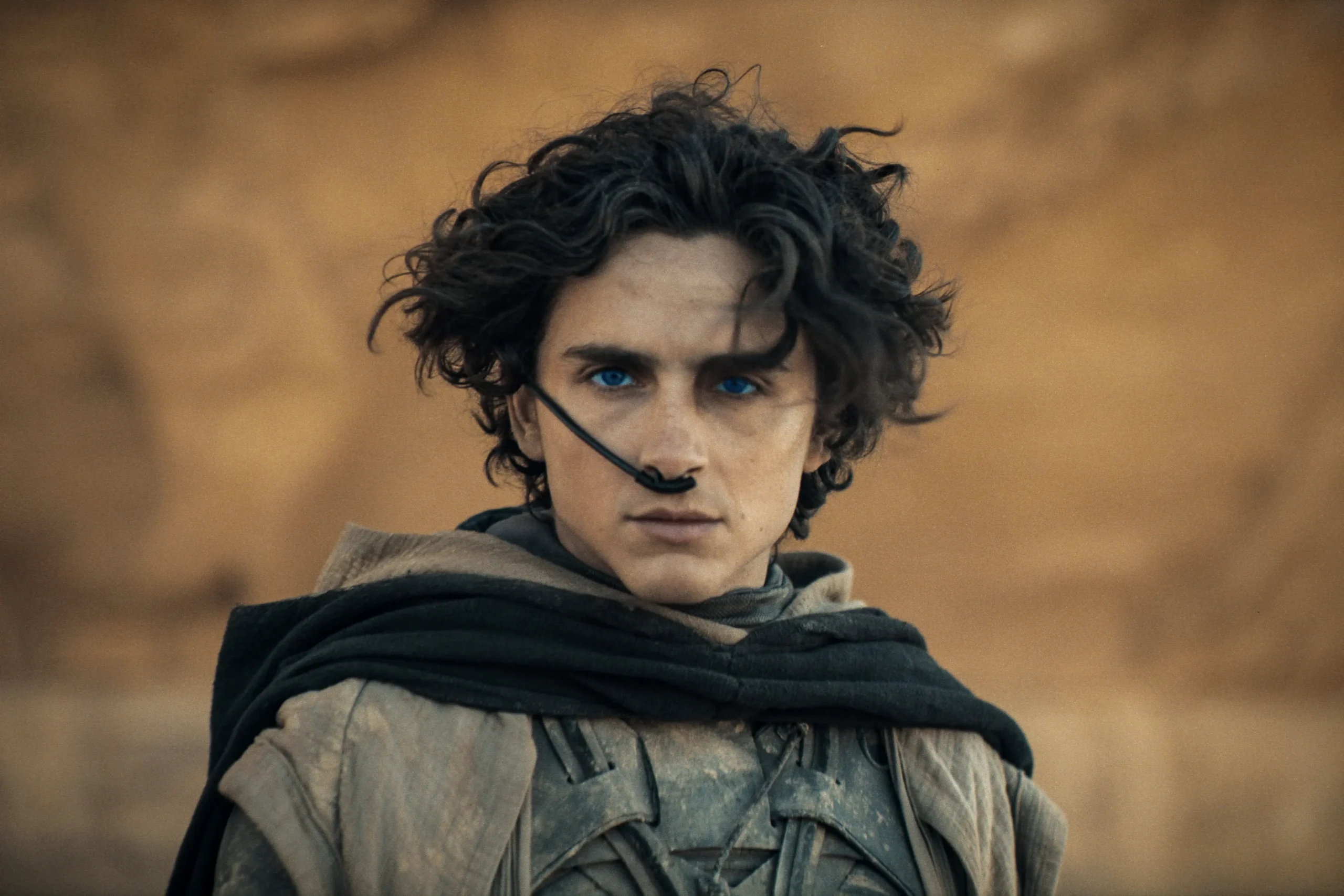
Hollywood keeps reaching into the past. The question is whether it’s paying tribute — or picking pockets.
Picture this: you’re twelve years old, the lights go down, and a film changes the way you see the world. Now picture a studio executive, thirty years later, deciding that story needs a fresh coat of paint, a new cast, and a streaming release date. That’s the reboot machine — and it has never run faster than it does today.
The debate is everywhere. Film Twitter erupts every time a beloved classic gets the remake treatment. Fans sharpen their pitchforks. Critics write thinkpieces. And yet — the films keep coming, and audiences keep watching. So what’s actually going on here?
Why Hollywood can’t stop hitting replay
Let’s be honest about what drives the reboot economy: money, and the psychology of familiarity. A recognizable title is a pre-sold audience. Studios don’t have to convince you to care — you already do. The title alone does the marketing work that an original concept would cost tens of millions to achieve.
Then there’s the nostalgia factor. Nostalgia isn’t just sentimental — it’s neurological. Familiar stories trigger warmth, safety, and positive memory associations. Studios know this. They are, in a very real sense, mining your childhood for profit.
Add the rise of franchise thinking — where every film must be the beginning of a universe, not just a story — and reboots become irresistible. An old IP comes with built-in lore, built-in fans, and the theoretical possibility of sequels, prequels, and spin-offs stretching into the horizon.
When reboots get it right
Here’s the uncomfortable truth for reboot skeptics: some remakes are genuinely excellent. Dismissing the entire genre is as lazy as blindly celebrating it.
✓ Worked Brilliantly
Mad Max: Fury Road (2015)
A reboot that didn’t just honour the original — it obliterated expectations. George Miller returned to his own franchise and made something wilder, more cinematic, and more feminist than anything the original series attempted.
Casino Royale (2006)
James Bond had grown stale, campy, and self-referential. Daniel Craig’s reboot stripped it back to a bruised, human spy thriller. It revitalised a franchise that was quietly dying. A masterclass in purposeful reinvention.
Christopher Nolan’s The Odyssey — The Most Ambitious Film Ever Made?
✗ Missed the Point
Ghostbusters (2016)
A film that became a culture war before anyone saw a single frame. The backlash was unfair and often ugly — but the film itself was painfully average, unable to escape the shadow of what came before.
Lion King (2019)
Visually staggering. Emotionally hollow. The photorealistic animation drained the characters of the expressiveness that made the 1994 original so devastating. A technical marvel that forgot why the story worked.
The real damage isn’t to the classics
Here’s where the argument gets more interesting. The classics are fine. Jaws is still Jaws. The Godfather hasn’t been retroactively ruined because someone greenlit a lesser version. Great films are not fragile — they exist independently of whatever comes after them.
The real damage is opportunity cost. Every reboot that gets greenlit is a slot that an original story didn’t get. Every $200 million poured into resurrecting a familiar name is a budget that a new filmmaker’s vision never sees. The classics aren’t being ruined — but the next classic might never be made.
The Scorecard — Reboot or Original?
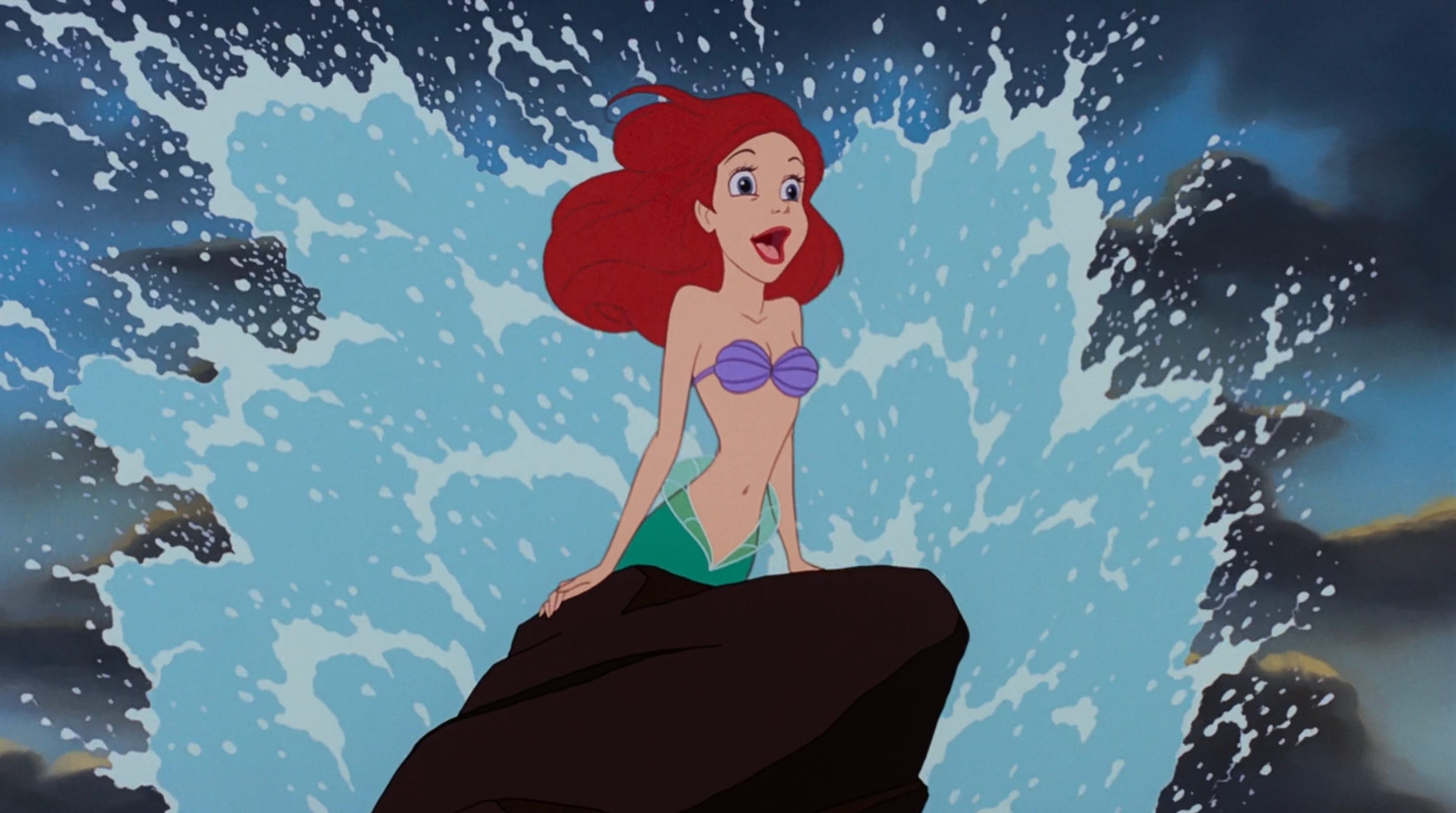
What audiences actually want
The data is maddening for originality advocates. Audiences claim to want fresh stories — and then flock to the familiar in droves. But dig deeper and a pattern emerges: what people actually want is the feeling a classic gave them, not a shot-for-shot recreation of it.
The reboots that work understand this. They ask: what did the original make people feel, and how do we generate that feeling for a new generation? The reboots that fail simply xerox the surface — same plot beats, same character names, same set pieces — without understanding the soul underneath.
The verdict
Reboots aren’t ruining classic movies. They’re incapable of it. What they are doing is cluttering the landscape, crowding out original voices, and conditioning audiences to expect the familiar. The real risk isn’t that Casablanca gets tarnished. It’s that the next Casablanca never gets made — because no studio will take the bet on a story nobody’s heard before.
The classics will survive Hollywood’s recycling habit. The question is whether cinema itself will

Mohit Swami is the Head of Content at GYANTV, overseeing content strategy, editorial planning, and quality control across the platform. With experience in managing digital content workflows, he ensures that every article aligns with accuracy standards, audience relevance, and ethical publishing practices. His work focuses on building trustworthy, engaging, and reader-first content in health, lifestyle, and trending news categories.