
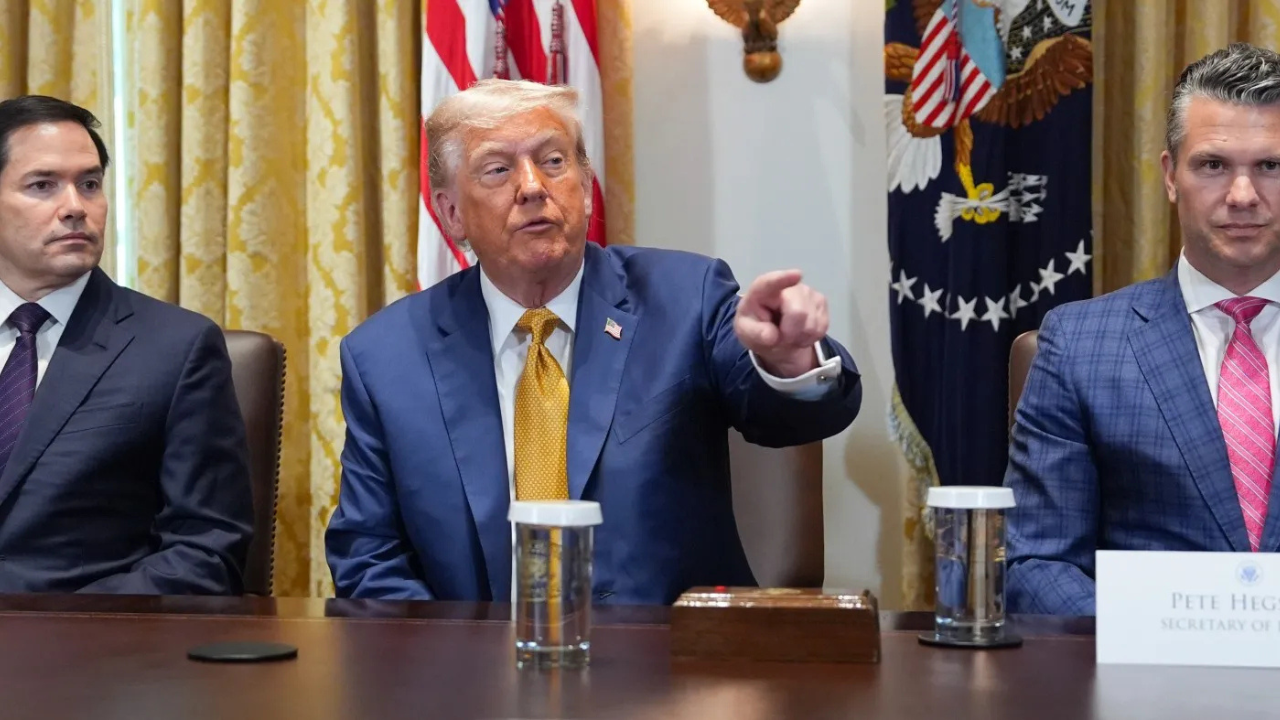
Since returning to the White House in January 2025, President Donald Trump has signed over 250 executive orders — one of the most aggressive uses of presidential authority in modern American history.
Executive orders are direct instructions from the President to federal agencies. They do not require approval from Congress — making them one of the fastest and most powerful tools a president has to reshape policy. In 2026, Trump has continued signing orders at a rapid pace across trade, immigration, national security, and more.
Here is a plain-language breakdown of Trump’s most significant recent executive orders and what they actually mean for America and the world.
1. Adjusting Imports of Pharmaceuticals — April 2, 2026
One of Trump’s most recent and significant orders targets the pharmaceutical industry.
This executive order imposes new tariffs on pharmaceutical imports and pharmaceutical ingredients entering the United States. The goal, according to the White House, is to reduce America’s dependence on foreign-made medicines — particularly from China and India — and to rebuild domestic drug manufacturing capabilities.
What it means for Americans: prescription drug prices could increase in the short term as supply chains adjust. However, supporters argue that building domestic pharmaceutical production protects America from future supply chain disruptions — a lesson learned painfully during the COVID-19 pandemic.
2. Ensuring Citizenship Verification in Federal Elections — March 31, 2026
This order directs federal agencies to strengthen citizenship verification processes for voter registration in federal elections.
It requires documentary proof of citizenship when registering to vote and instructs agencies to cross-reference existing federal databases to verify voter eligibility. The White House describes it as a commonsense measure to protect election integrity.
Critics argue the order could make voter registration more difficult for millions of eligible American citizens who lack ready access to official documents. Legal challenges to this order are expected.
Can Any Leader Pull Off What Trump Did? Here’s What It Actually Takes
3. Addressing DEI Discrimination by Federal Contractors — March 2026
Trump has continued his aggressive rollback of Diversity, Equity, and Inclusion programs with this executive order targeting federal contractors.
The order prohibits federal contractors from maintaining DEI programs that the administration considers discriminatory — specifically those that allocate opportunities based on race, gender, or other identity characteristics. Companies that receive federal contracts must certify compliance or risk losing those contracts.
Supporters call it a restoration of merit-based hiring. Opponents argue it dismantles hard-won protections for historically marginalized groups in the workplace.
4. Sanctions on Cuba — January 29, 2026
In January 2026, Trump signed an executive order declaring a national emergency related to Cuba and authorizing new tariffs on any country that sells or provides oil to the Cuban government.
The order also expands existing sanctions on Cuban officials and entities connected to the regime’s security apparatus and human rights violations. It is part of a broader Trump administration strategy of maximum economic pressure on governments it considers hostile to American interests.
The order has significant implications for countries that trade with Cuba — including several in Latin America and Europe — who now face potential tariff consequences for doing so.
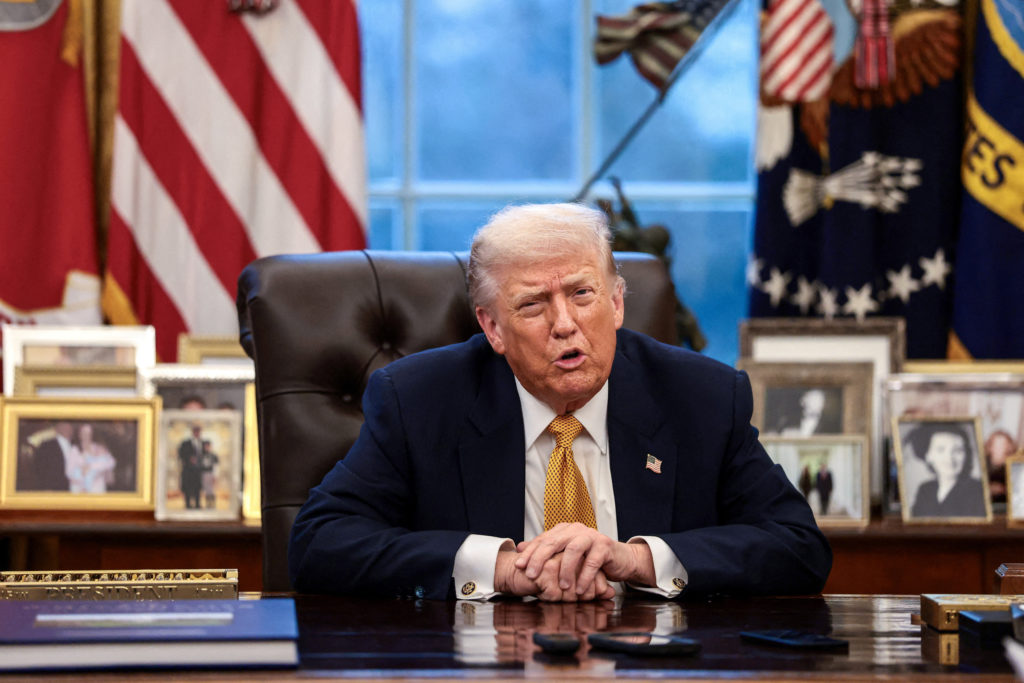
5. Tariffs on Iran and Russia — February 6, 2026
Trump signed two executive orders in February 2026 targeting Iran and Russia with new trade measures.
The Iran order tightens sanctions in response to what the administration describes as ongoing threats to American national security — building on Trump’s broader Middle East strategy that included military strikes on Iranian nuclear facilities. The Russia order modifies duties in response to the ongoing conflict in Ukraine and Russia’s economic behavior.
Both orders reflect Trump’s use of economic pressure as a primary foreign policy tool — a strategy that has defined his administration’s approach to adversarial nations since his return to office.
6. Housing Affordability Order — March 17, 2026
Amid growing concern about the cost of housing across America, Trump signed an executive order directing federal agencies to reduce regulatory barriers that slow down home construction.
The order targets zoning restrictions, environmental review processes, and permitting delays that the administration argues artificially inflate the cost and time required to build new homes. It directs agencies to identify and eliminate federal regulations that restrict housing supply.
Housing affordability has become one of America’s most pressing domestic issues in 2026, and this order signals the administration’s preference for a deregulation-driven approach over direct government intervention.
7. The Supreme Court Tariff Ruling — February 20, 2026
Not an executive order itself — but a significant development that directly affects Trump’s use of them.
In February 2026, the Supreme Court ruled in Learning Resources Inc. v. Trump that the International Emergency Economic Powers Act — which Trump had used as the legal basis for many of his sweeping tariffs — did not actually grant him the power to impose tariffs in this way.
The ruling created significant uncertainty around dozens of Trump’s trade orders and raised fundamental questions about the limits of presidential authority in economic policy. The administration is expected to challenge the ruling’s scope and seek alternative legal foundations for its tariff agenda.

Mohit Swami is the Head of Content at GYANTV, overseeing content strategy, editorial planning, and quality control across the platform. With experience in managing digital content workflows, he ensures that every article aligns with accuracy standards, audience relevance, and ethical publishing practices. His work focuses on building trustworthy, engaging, and reader-first content in health, lifestyle, and trending news categories.