
The American economic landscape is shifting. You’re probably noticing changes in prices, business opportunities, and market dynamics. Understanding these shifts matters for your financial future.
A New Economic Direction Takes Shape
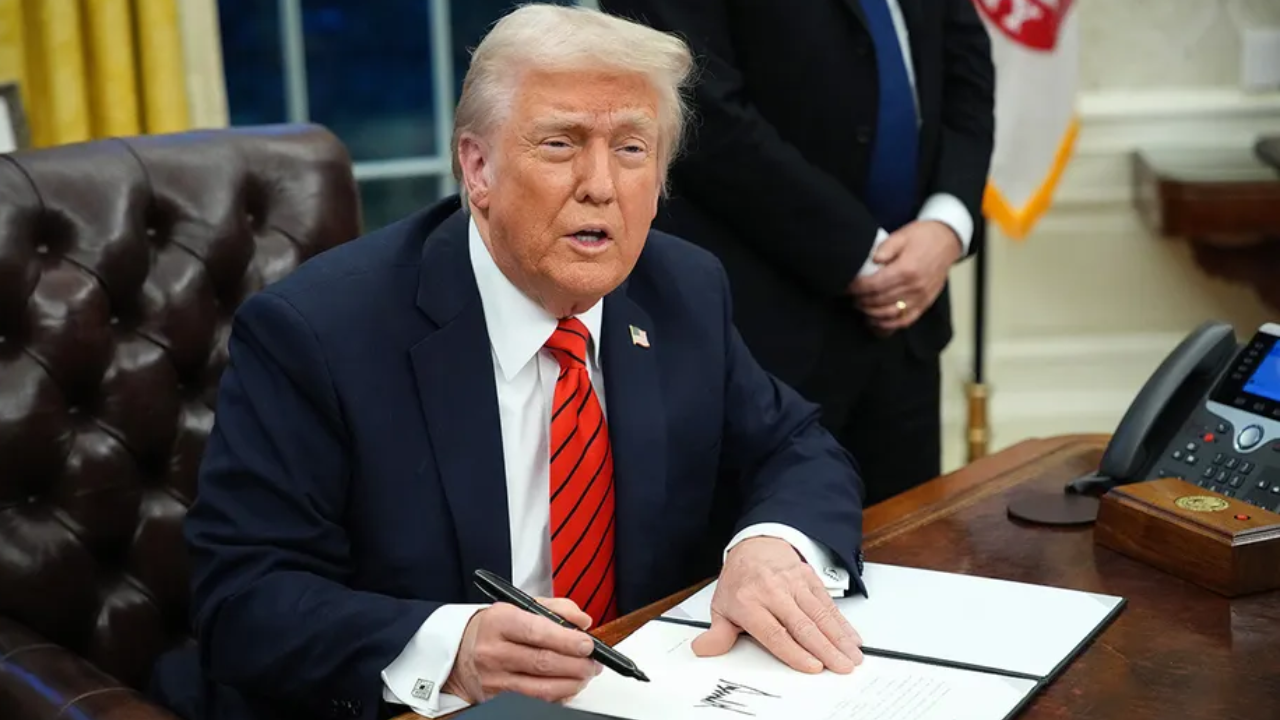
Trump’s return to economic policymaking brings distinct approaches to trade, taxation, and regulation. These aren’t just abstract policy debates. They affect your daily spending and business decisions directly.
Let’s break down what’s actually happening and how it touches your life.
Tax Cuts That Put Money Back in Your Pocket
Lower taxes mean more cash in hand. For businesses, reduced corporate rates create room for expansion and hiring. Companies can invest in new equipment, technology, and talent.
Meanwhile, individual taxpayers see relief too. Families often discover extra money in their paychecks. This additional income fuels consumer spending across the economy.
However, the benefits vary by income bracket and business size. Small businesses particularly appreciate simplified tax codes. Less paperwork means more time focusing on growth.
Deregulation Opens New Doors
Cutting red tape accelerates business operations. Entrepreneurs launch ventures faster when facing fewer bureaucratic hurdles. This regulatory shift encourages innovation and risk-taking.
Energy companies, for instance, gain more operational flexibility. Manufacturing firms navigate smoother approval processes. These changes reduce costs that typically get passed to consumers.
Yet, balance matters. Regulations exist for important reasons like safety and environmental protection. Finding the sweet spot between freedom and responsibility remains crucial.
Trade Policies Create Winners and Losers
Tariffs protect American manufacturers from foreign competition. Domestic producers get breathing room to compete. Jobs in manufacturing sectors often see stabilization or growth.
On the flip side, imported goods become pricier. Your electronics, clothing, and household items might cost more. Retailers adjust their pricing strategies accordingly.
Additionally, international supply chains face disruption. Companies scramble to find new suppliers or absorb higher costs. Some businesses thrive under protection, while others struggle with increased expenses.
Consumer Confidence Drives Spending
Economic optimism influences purchasing behavior significantly. When people feel secure about their financial future, they spend more freely. This confidence ripples through retail, real estate, and service industries.
Business investment follows similar patterns. Companies expand when they anticipate favorable conditions. New stores open, factories upgrade, and hiring accelerates.
Furthermore, stock market performance affects consumer psychology. Rising portfolios make people feel wealthier, even before selling investments. This “wealth effect” stimulates additional economic activity.
Two Worlds, One White House: The Fascinating Contrast Between Trump and Melania
Small Businesses Find New Opportunities
Entrepreneurship flourishes in supportive environments. Access to capital improves when regulations ease and banks lend more freely. Start-ups launch with greater confidence.
Local businesses benefit from increased consumer spending power. Community shops see more foot traffic when families have extra discretionary income. Service providers book more appointments.
Nevertheless, competing with larger corporations remains challenging. Big companies leverage tax breaks for aggressive expansion. Small operators must stay agile and customer-focused.
The Real Estate Market Responds
Property values reflect economic confidence levels. Strong business conditions typically support housing demand. Commercial real estate sees similar patterns.
Lower interest rates, when combined with economic growth, fuel real estate activity. Buyers enter the market with optimism. Developers launch new projects.
However, affordability concerns persist in many markets. Rising property values help current owners but challenge first-time buyers. This dynamic creates complex market conditions.
Looking Ahead: Your Financial Strategy
Smart planning accounts for policy changes. Businesses should evaluate how tax benefits apply to their specific situation. Consumers can adjust spending and saving based on economic trends.
Diversification remains key for managing uncertainty. Whether in investments or business operations, spreading risk makes sense. Stay informed about policy developments affecting your sector.
Remember, economic policies create opportunities and challenges simultaneously. Your ability to adapt determines your success in this evolving landscape.
The Bottom Line
Trump’s economic policies bring tangible changes to American businesses and consumers. Tax relief puts money back into circulation. Deregulation speeds up business operations. Trade policies reshape competitive dynamics.
These shifts create winners across various sectors. Your awareness and strategic response make the difference. Stay engaged with economic news relevant to your interests.
Moreover, understanding these policies helps you make better financial decisions. Whether running a business or managing household finances, knowledge empowers action.
The economic environment continues evolving. Staying informed and adaptable positions you for success. Your financial future depends on recognizing and seizing emerging opportunities.
if you also want to know about Don jr comeback story-https://thegyantv.com/news/donald-trump-jr-comebacks-political-relevance-2025/

Mohit Swami is the Head of Content at GYANTV, overseeing content strategy, editorial planning, and quality control across the platform. With experience in managing digital content workflows, he ensures that every article aligns with accuracy standards, audience relevance, and ethical publishing practices. His work focuses on building trustworthy, engaging, and reader-first content in health, lifestyle, and trending news categories.