
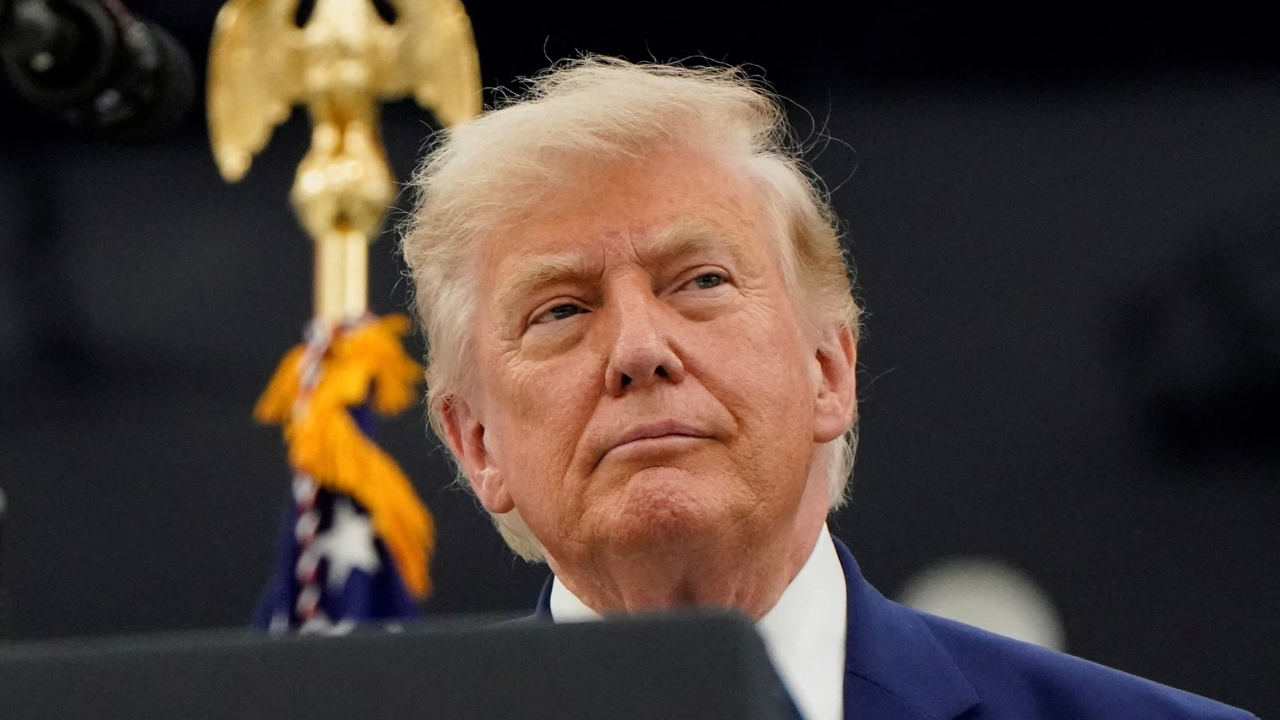
Something shifted in American politics after 2016. It wasn’t just one election. It was a full reset of what voters were willing to believe about who deserves power.
Donald Trump didn’t just win the presidency. He cracked open a door that most political insiders assumed was permanently sealed. Suddenly, the rulebook looked optional. Experience became negotiable. And “outsider” stopped being an insult — it became a badge.
What Exactly Is Outsider Politics?
Let’s be clear about what this means. Outsider politics isn’t new. Voters have always had moments of frustration with Washington. What changed after Trump is the scale, the speed, and the staying power of that frustration.
Traditional politicians spent years building credentials. Voters rewarded patience, party loyalty, and policy experience. Then Trump ran — no political office, no military background, no filter — and won anyway. That moment rewired expectations for millions of Americans.
Now, “I’m not a politician” is practically a campaign slogan.
Why Voters Keep Choosing Disruption
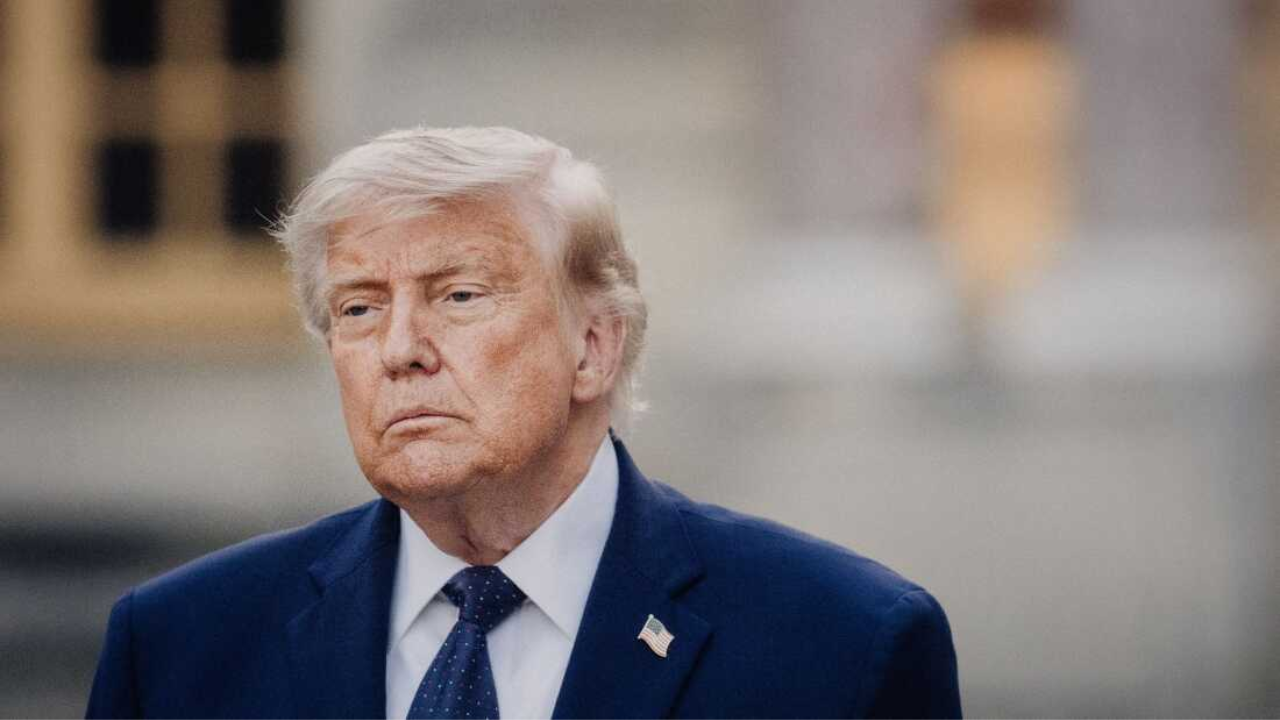
Here’s the honest truth: people don’t choose outsiders because they love chaos. They choose them because they’ve stopped trusting the alternative.
Decades of broken promises stacked up. Wars that didn’t end. Economic recoveries that skipped entire zip codes. Politicians who seemed more comfortable at fundraisers than at town halls. That gap between Washington and Main Street didn’t appear overnight — but Trump made it impossible to ignore.
His 2016 campaign named the frustration out loud. Voters rewarded that honesty, even when the messenger was unconventional. That trade — polish for authenticity — turned out to be one many Americans were more than willing to make.
The New Template for Running as an Outsider
After Trump, a new political template emerged. Candidates across the country started borrowing pieces of it.
Anti-establishment messaging moved to center stage. Candidates started running against their own party’s leadership as often as they ran against the other side. Directness replaced diplomatic softness. Social media replaced press releases. And grievance — real, felt, lived grievance — became a legitimate campaign platform.
Some of these candidates won. Others didn’t make it far. But the approach itself kept gaining ground, election cycle after election cycle.
Outsider Politics Isn’t Just a Right-Wing Story
It’s easy to assume this is purely a conservative trend. However, that reading misses half the picture.
Bernie Sanders built a massive movement on the same core energy — anti-establishment, anti-donor class, pro-working-class disruption. His 2016 and 2020 campaigns showed that the hunger for outsider politics cut across party lines. Younger voters, in particular, weren’t just open to it. They were demanding it.
The common thread wasn’t ideology. It was distrust of concentrated power and a belief that Washington worked better for insiders than for regular people. That belief doesn’t belong to one party.
What This Means for American Democracy
Here’s where it gets genuinely interesting. Outsider politics, at its best, forces accountability. It drags uncomfortable conversations into the open. It pressures institutions to prove their worth instead of assuming it.
At the same time, disruption for its own sake has real costs. Governing is complicated. Relationships between branches of government matter. Experience, even when it looks boring, does carry value.
The healthiest version of this moment is one where outsider energy pushes the system toward responsiveness — without burning down the structures that make reform possible in the first place.
Where American Politics Goes From Here
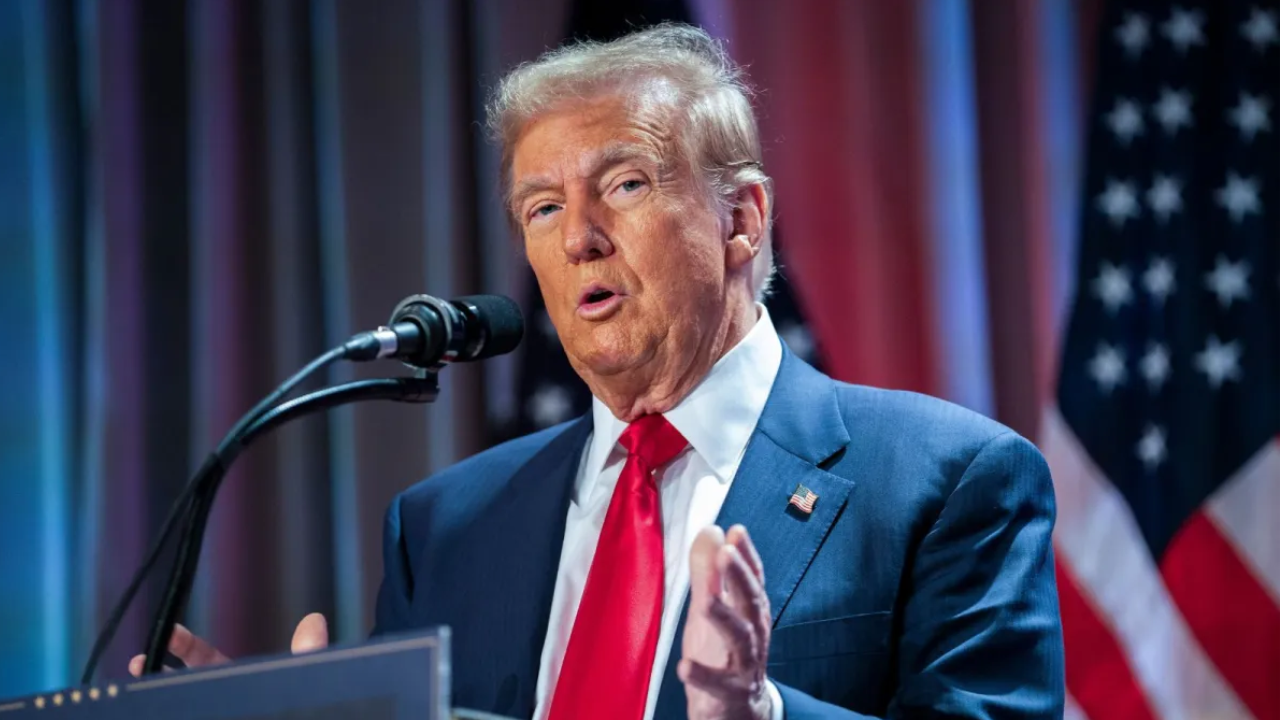
American voters sent a message that they want to be taken seriously. That message isn’t going away, regardless of who wins the next cycle.
The most successful politicians in the years ahead will likely be those who understand both sides of this shift. They’ll need to speak plainly, challenge complacency, and connect with voters who’ve been let down before. But they’ll also need to demonstrate that they can actually lead.
Outsider politics opened a door. What walks through it next will define the next chapter of American democracy — and voters, more than ever, will be watching closely.
If you also want to know about what many media outlets still miss about Donald Trump click here – https://thegyantv.com/news/what-media-misses-about-donald-trump/

Mohit Swami is the Head of Content at GYANTV, overseeing content strategy, editorial planning, and quality control across the platform. With experience in managing digital content workflows, he ensures that every article aligns with accuracy standards, audience relevance, and ethical publishing practices. His work focuses on building trustworthy, engaging, and reader-first content in health, lifestyle, and trending news categories.