
Not too long ago, slapping a superhero on a movie poster was basically a guaranteed billion dollars. Those days are gone. Audiences are still showing up — but they’re being way more selective about which cape they care about. Here’s a real look at what’s happening to the genre that once ruled Hollywood.
The Numbers Don’t Lie Anymore
Let’s start with the cold, hard truth. Back in 2018 and 2019, the average global gross for superhero films was more than $1 billion. Fast forward to recent years and that figure has been cut in half. The highest-grossing superhero film of 2025, Superman, pulled in around $597 million worldwide — respectable for most movies, but nowhere near the billion-dollar blockbusters we used to take for granted.
Other than Deadpool & Wolverine, superhero cinema has suffered a major box office drought. The Ryan Reynolds-Hugh Jackman vehicle remains the only comic book movie that could genuinely qualify as a hit since Spider-Man: Across the Spider-Verse in June 2023. That’s a long dry spell for a genre that used to print money on autopilot.
Too Much, Too Fast — The Oversaturation Problem
Here’s the thing nobody at Marvel or DC wanted to admit for years: you can have too much of a good thing. Superhero exhaustion began setting in post-COVID as viewers were inundated with an influx of interconnected TV shows on top of big-screen releases. For a decade, you could spotlight almost any hero and expect a massive opening weekend. That’s simply not the case anymore.
Marvel expected audiences to immediately start the whole process over again after Endgame — a nine-year build-up leading to Avengers: Secret Wars. They treated audience attention as something they innately had, instead of something they had to earn. That’s a brutal but fair way to put it.
Captain America: Brave New World made $415 million against a $180 million budget, and Thunderbolts pulled in $382 million against the same budget — numbers that would’ve felt catastrophic five years ago but now feel like just another Tuesday in a genre that’s lost its magic touch.
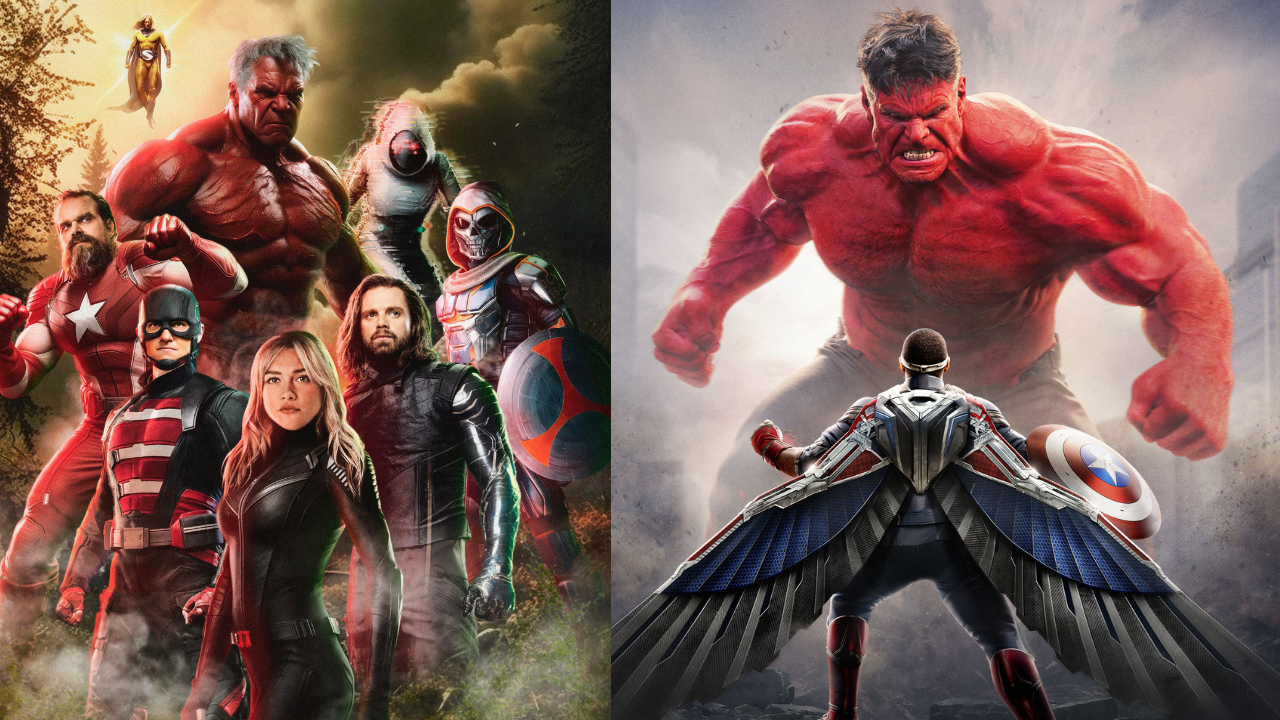
It’s Not Superheroes — It’s Bad Stories
Here’s where it gets interesting. It’s not that people hate superheroes. They hate lazy superhero movies. “People haven’t stopped loving superhero films, but they stopped loving mediocre entries in those worlds,” said exhibitor Mike Barstow of ACX Cinemas. “There’s a demand for higher quality.”
James Gunn, who’s now running DC Studios, actually nailed it perfectly. He told Rolling Stone: “I think it doesn’t have anything to do with superheroes. It has to do with the kind of stories that get to be told. If it becomes just a bunch of nonsense on screen, it gets really boring.”
One cinema-goer put it bluntly: “These Marvel movies are too much of the same. They always seem to degenerate into 15- or 20-minute fight sequences at the end. My wife and I love movies, and sometimes we leave when the action sequences start because we know how it’s going to end.” If that’s not a gut-punch to Marvel’s creative team, nothing is.
Audiences Are Craving Something New
The most telling sign of audience fatigue isn’t what’s flopping — it’s what’s winning instead. Looking at the 2025 box office, films like Sinners, Weapons, and F1 did really well. These were new ideas that got different people excited about going to the movies. Original stories with no cinematic universe baggage attached. No homework required before buying your ticket.
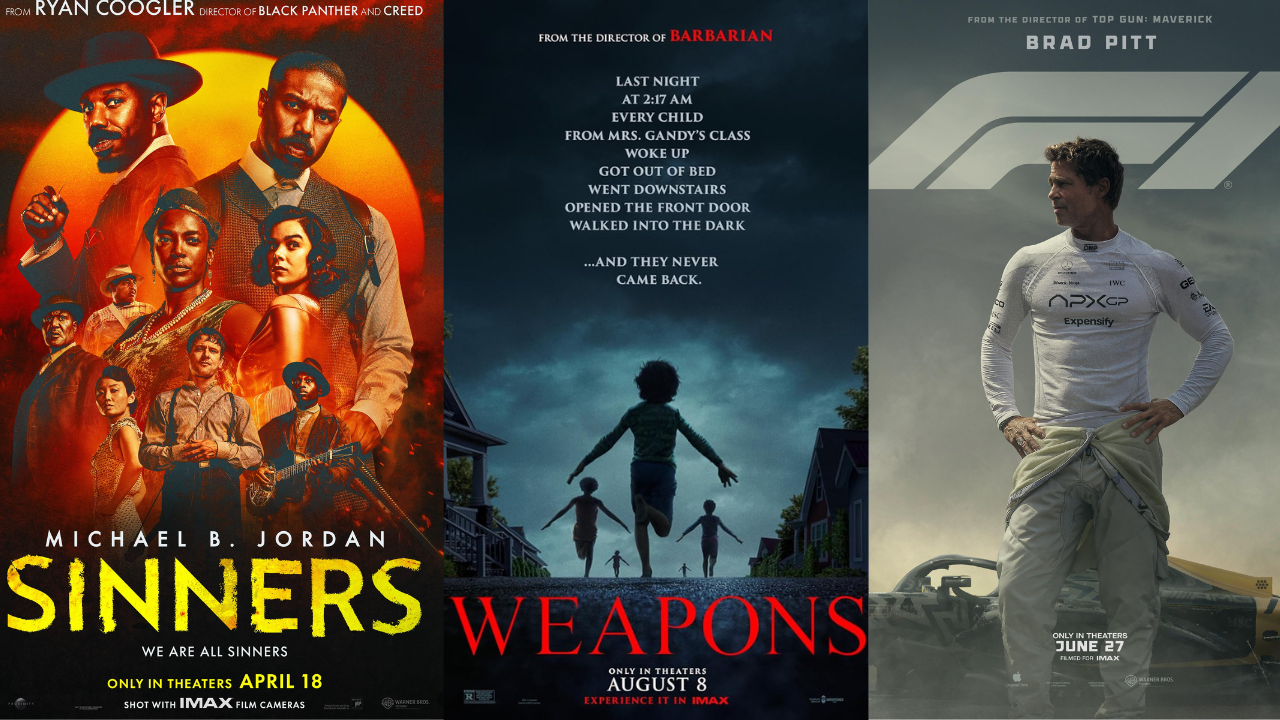
Analyst David A. Gross of Franchise Entertainment Research put it simply: “Superheroes are still giant movies. But audience interest falls off beyond the most established and popular characters.” In other words, people will still show up for Spider-Man and Superman. They’re done showing up for the C-listers just because they wear a Marvel or DC logo.
The Most Iconic Movie Outfits That Became Pop Culture Forever
So Is the Genre Actually Dead?
Not even close — but it’s changed permanently. Fandango’s director of movie analytics Shawn Robbins said it well: “We’re seeing a rut where five or so consecutive movies have performed within a similar range. That says there’s a dedicated audience. But it’s going to take boundary-pushing to break past that ceiling.”
The superhero genre isn’t going away — but counting on these films to automatically hit a billion dollars is too much to ask anymore. Studios need to rethink how much they’re spending and what kind of stories they’re telling. The era of guaranteed blockbusters is over. The era of actually having to try? That’s just getting started.
Love Doesn’t Come Cheap — The Most Expensive Celebrity Divorces in Hollywood History
All eyes are now on Avengers: Doomsday in December 2026 to see if Marvel can remind the world why they fell in love with this genre in the first place.

Mohit Swami is the Head of Content at GYANTV, overseeing content strategy, editorial planning, and quality control across the platform. With experience in managing digital content workflows, he ensures that every article aligns with accuracy standards, audience relevance, and ethical publishing practices. His work focuses on building trustworthy, engaging, and reader-first content in health, lifestyle, and trending news categories.