
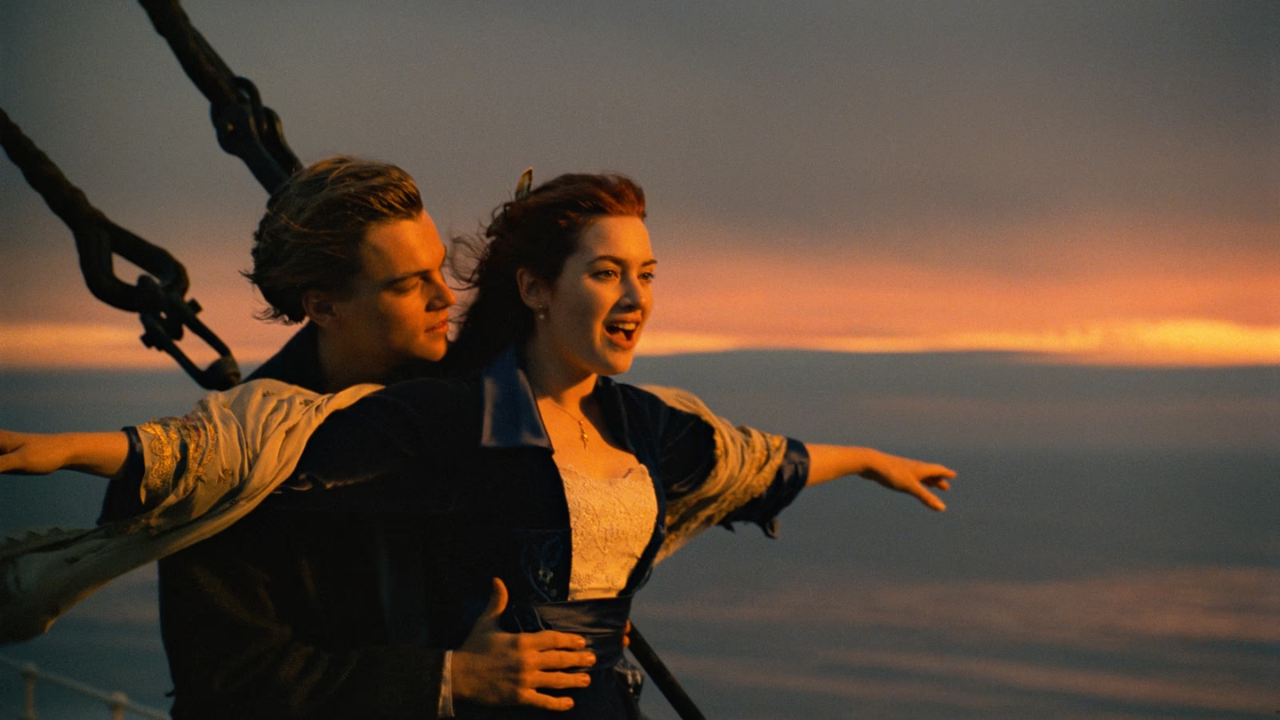
Some movies age like fine wine. Others age like a forgotten cup of chai. Titanic, though? It keeps finding new ways to wreck you emotionally — even after the tenth watch. James Cameron released this film back in 1997, and somehow it still feels painfully fresh today.
So what exactly is going on here? Why does a nearly three-hour movie about a ship still pull tears out of you like clockwork?
A Love Story Built on Borrowed Time
From the very first scene, you already know how this ends. The ship sinks. People die. And yet, you still root for Jack and Rose like it might somehow turn out differently this time. That tension — loving something you know you’ll lose — is at the heart of everything.
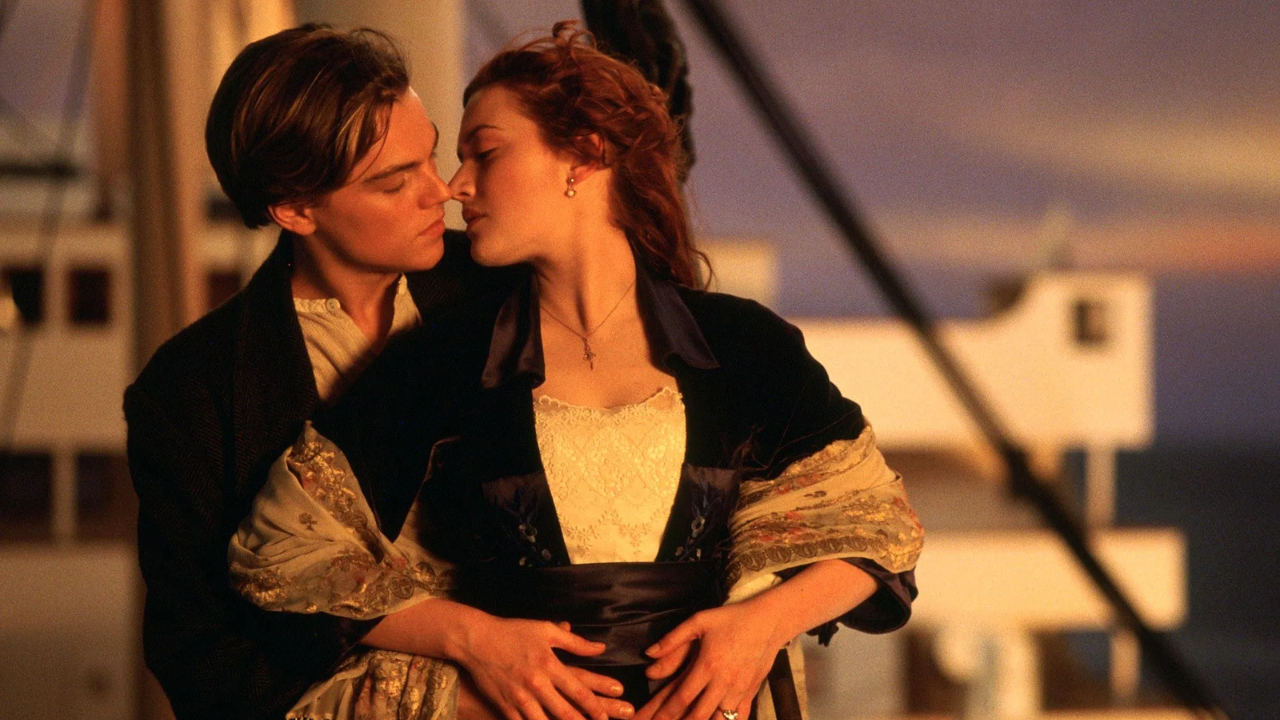
Cameron didn’t sell you a fantasy. He sold you something real. Jack and Rose come from completely different worlds, yet their connection feels immediate and honest. You believe them. That belief is exactly what breaks you later.
The Class Divide Hits Different Now
Watch Titanic today, and something stands out even more sharply. The film shows two groups of people — one with power, one without. Third-class passengers get locked below decks. First-class passengers get lifeboats.
That image stays with you. It’s not just history. It feels uncomfortably familiar. Stories that reflect real human flaws tend to carry emotional weight long after the credits roll.
Rose’s Journey Belongs to All of Us
Here’s what people often overlook — this is fundamentally Rose’s story. She starts the film trapped. Trapped by wealth, by expectation, by a future she never chose. Jack doesn’t rescue her from the ocean. He helps her rescue herself first.
That arc resonates deeply, especially with younger viewers discovering the film for the first time. Choosing your own life over what society hands you never gets old as a theme.
Music Does the Heavy Lifting
Let’s talk about Celine Dion for a second. “My Heart Will Go On” doesn’t just play over the ending — it activates something in your chest before the scene even fully lands. James Horner built a score that operates almost subliminally. The haunting flute, the strings, the slow swell right when you’re most vulnerable.
Good film scores don’t tell you how to feel. They simply open a door, and the emotions walk in on their own.
The Real People Make It Heavier
Titanic wasn’t invented. Real people boarded that ship and never came home. Cameron drew heavily from actual accounts and survivors’ testimonies. That knowledge sits quietly in the back of your mind during the entire film.
When the elderly couple holds each other in bed as water rises, that’s based on truth. When the band keeps playing, that actually happened. Fiction built on real loss carries a different kind of weight entirely.
Every Generation Finds Its Own Reason to Cry
Ask a teenager watching Titanic today what breaks them. They’ll likely say it’s Jack dying without ever getting a real chance at life. Ask someone older, and they’ll point to the final scene — old Rose letting go of the necklace, finally at peace.
The same film hits differently depending on where you are in life. That flexibility is rare. Most movies have one emotional note. Titanic plays an entire chord.
It’s About More Than Two People
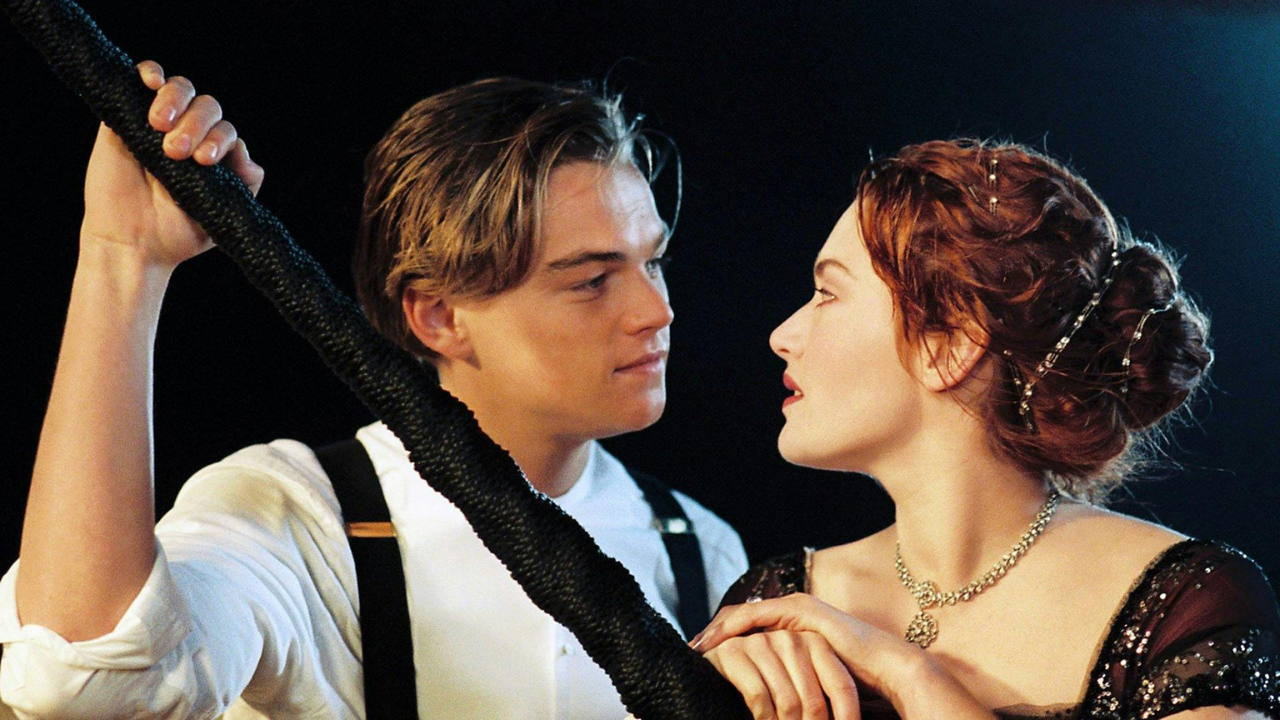
At its core, Titanic is about human fragility. About how quickly everything you love can disappear. About choosing connection over safety, even when safety seems like the smarter call.
Those themes don’t expire. Loss, love, regret, and courage are as relevant today as they were in 1997 — or 1912. That’s the real reason you’ll find yourself reaching for tissues all over again, no matter how many times you’ve seen this film.
Go ahead and hit play. Jack and Rose are still waiting — and so are the tears you promised yourself you wouldn’t cry this time.
If you also want to know about Hollywood celebrities and their most luxurious vacations click here – https://thegyantv.com/entertainment/hollywood-celebrities-most-luxurious-vacations/

Mohit Swami is the Head of Content at GYANTV, overseeing content strategy, editorial planning, and quality control across the platform. With experience in managing digital content workflows, he ensures that every article aligns with accuracy standards, audience relevance, and ethical publishing practices. His work focuses on building trustworthy, engaging, and reader-first content in health, lifestyle, and trending news categories.