
Hollywood has always lived and breathed music. From the earliest silent films to today’s blockbusters, the right soundtrack can turn a good movie into an unforgettable experience. Music and cinema grew up together — and that relationship shaped American culture in ways few people fully appreciate.
Let’s take a journey through the eras that changed everything.
When Hollywood First Found Its Voice
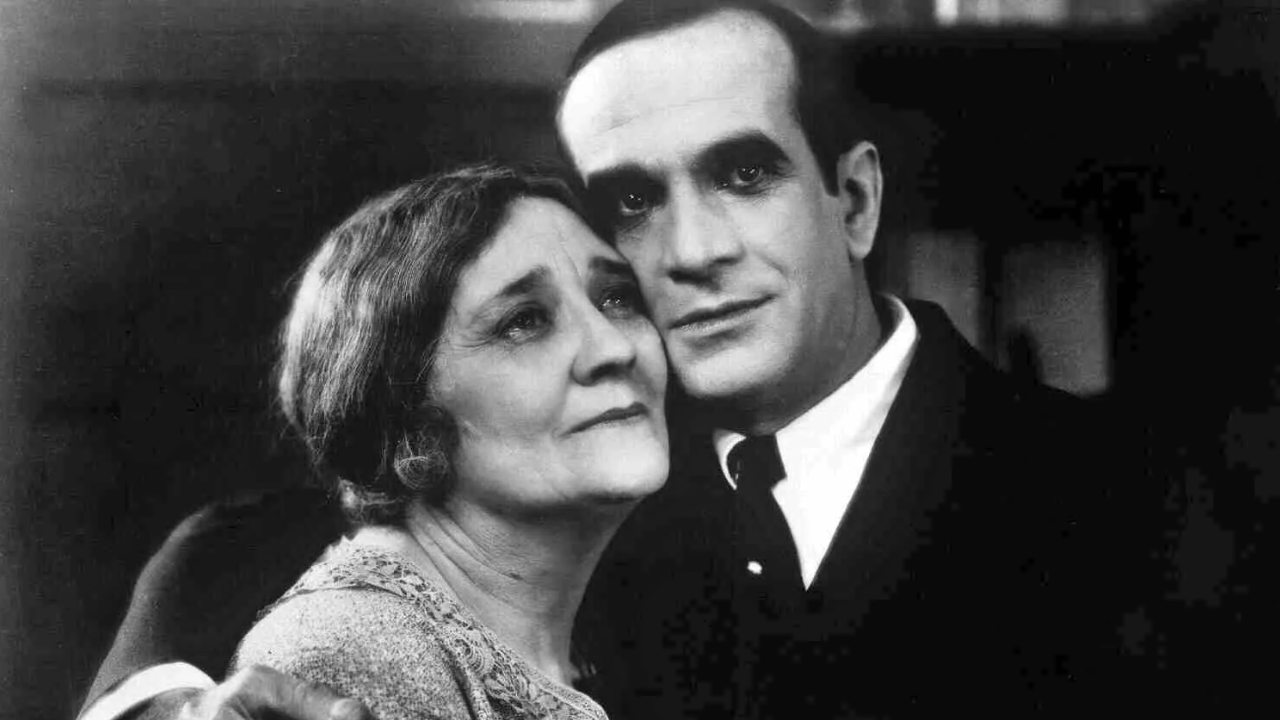
The late 1920s marked a turning point nobody saw coming. The Jazz Singer (1927) introduced synchronized sound to mainstream audiences, and Hollywood was never the same again. Suddenly, studios needed composers, orchestras, and singers on staff.
Max Steiner led the charge in the 1930s. His sweeping orchestral scores for films like King Kong and Gone with the Wind set the template for cinematic music. Audiences heard emotion before they even processed it on screen. That invisible power became Hollywood’s secret weapon.
The Golden Age of Movie Musicals
Few eras shine as brightly as the 1940s and 50s. MGM’s musical productions turned the film industry into a full-blown entertainment empire. Gene Kelly splashed through puddles in Singin’ in the Rain, and Judy Garland made audiences believe somewhere over the rainbow actually existed.
Broadway and Hollywood fed each other constantly during this period. Composers like Rodgers and Hammerstein brought theatrical grandeur to the big screen. Meanwhile, studios invested heavily in live orchestration, giving films a richness that still holds up today. Those productions weren’t just movies — they were events.
Rock and Roll Crashes the Party
By the late 1950s and through the 1960s, something new was shaking the walls. Rock and roll arrived on screen with raw energy and attitude. Films like Jailhouse Rock launched Elvis Presley as a cultural phenomenon beyond music alone.
The British Invasion soon followed. The Beatles starred in A Hard Day’s Night (1964), blending comedy, music, and counterculture into something Hollywood had never packaged before. Directors started treating music as a character in the story — not just background noise. That shift opened the door for everything that came next.
The New Hollywood Sound
The 1970s brought a cinematic revolution, and music rode that wave hard. Directors like Martin Scorsese used existing rock and soul records to score their films. American Graffiti proved a carefully curated playlist could define an entire era on screen.
John Williams quietly redefined orchestral scoring during this decade. His work on Jaws and then Star Wars reminded audiences that a full symphony could still raise the hair on their arms. Both approaches — the jukebox method and the grand orchestral tradition — thrived side by side. Hollywood became richer for having both.
Synth, Pop, and the 80s Takeover
Nothing quite captures the 1980s like a pulsing synthesizer. Composers like Giorgio Moroder and Harold Faltermeyer gave films like Flashdance and Beverly Hills Cop soundtracks that flew off the shelves. Music videos and movies blurred into one visual experience.
Prince’s Purple Rain proved a film could essentially be a concert document and still become a cultural landmark. MTV changed how audiences connected music to image. Studios realized the soundtrack album was its own profit center — and the synergy between film and music hit a commercial peak that still influences marketing strategies today.
Hip-Hop and the Modern Era
The 1990s introduced a powerful new voice to Hollywood. Hip-hop moved from the streets to the silver screen with films like Boyz n the Hood and Menace II Society. Those soundtracks told stories the dialogue sometimes couldn’t.
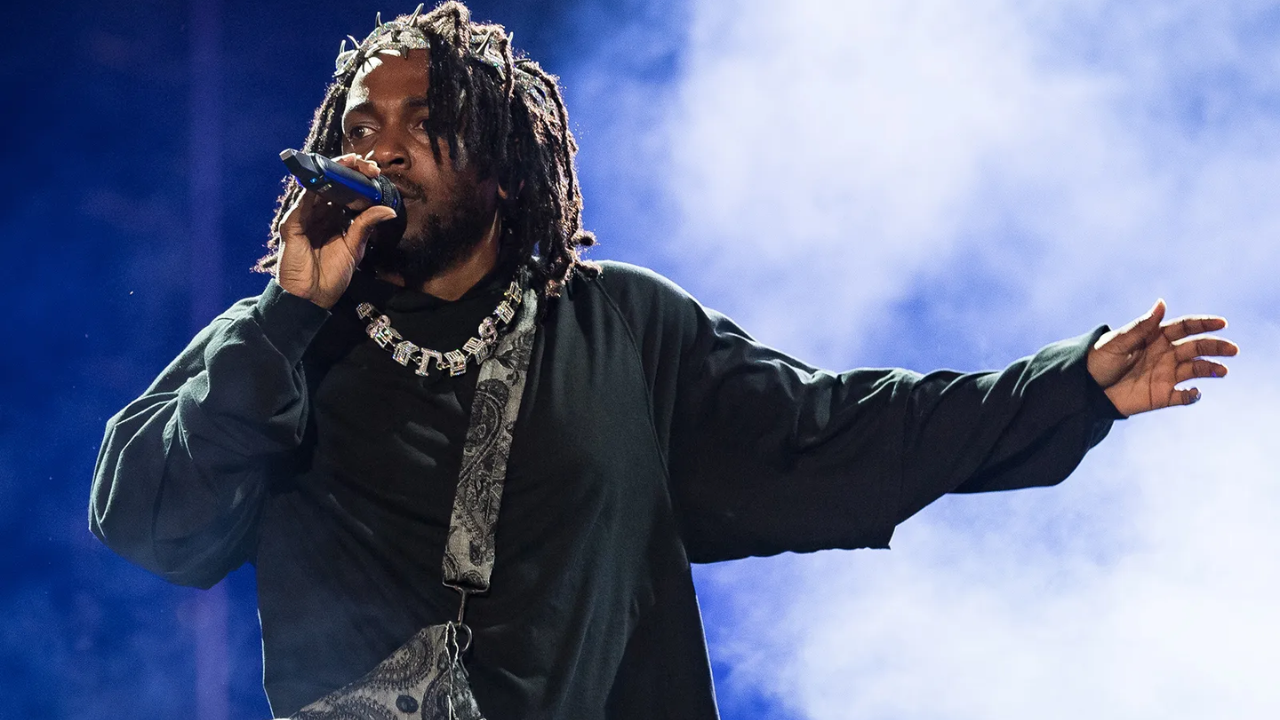
Kendrick Lamar’s work on Black Panther (2018) showed the world just how far that tradition had traveled. His album didn’t just accompany the film — it deepened it. Streaming then changed distribution entirely, making film soundtracks accessible to global audiences instantly. Today, a well-placed song in a movie trailer can rack up millions of streams before the film even opens.
Why It All Still Matters
Hollywood music has always done more than fill silence. It shapes memory, triggers emotion, and gives stories their heartbeat. Every era brought something new to the screen — and each one built on what came before.
The next great musical moment in cinema is already being written somewhere. And when it arrives, audiences will feel it before they even realize why.
If you also want to know about Hollywood movies with the most iconic soundtracks of all time click here – https://thegyantv.com/entertainment/hollywood-movies-most-iconic-soundtracks-of-all-time/

Mohit Swami is the Head of Content at GYANTV, overseeing content strategy, editorial planning, and quality control across the platform. With experience in managing digital content workflows, he ensures that every article aligns with accuracy standards, audience relevance, and ethical publishing practices. His work focuses on building trustworthy, engaging, and reader-first content in health, lifestyle, and trending news categories.