
Every time you’ve watched a car flip at high speed, a building explode with someone running through it, or a brutal fight scene that made you wince — there was a real human being behind that moment. Not a computer. Not a special effect. A person who trained for years, calculated the risk, and did it anyway so that the movie could feel real. And for most of Hollywood’s history, that person went home without so much as a thank you from the industry they risked their life for.
The Long History of Being Invisible
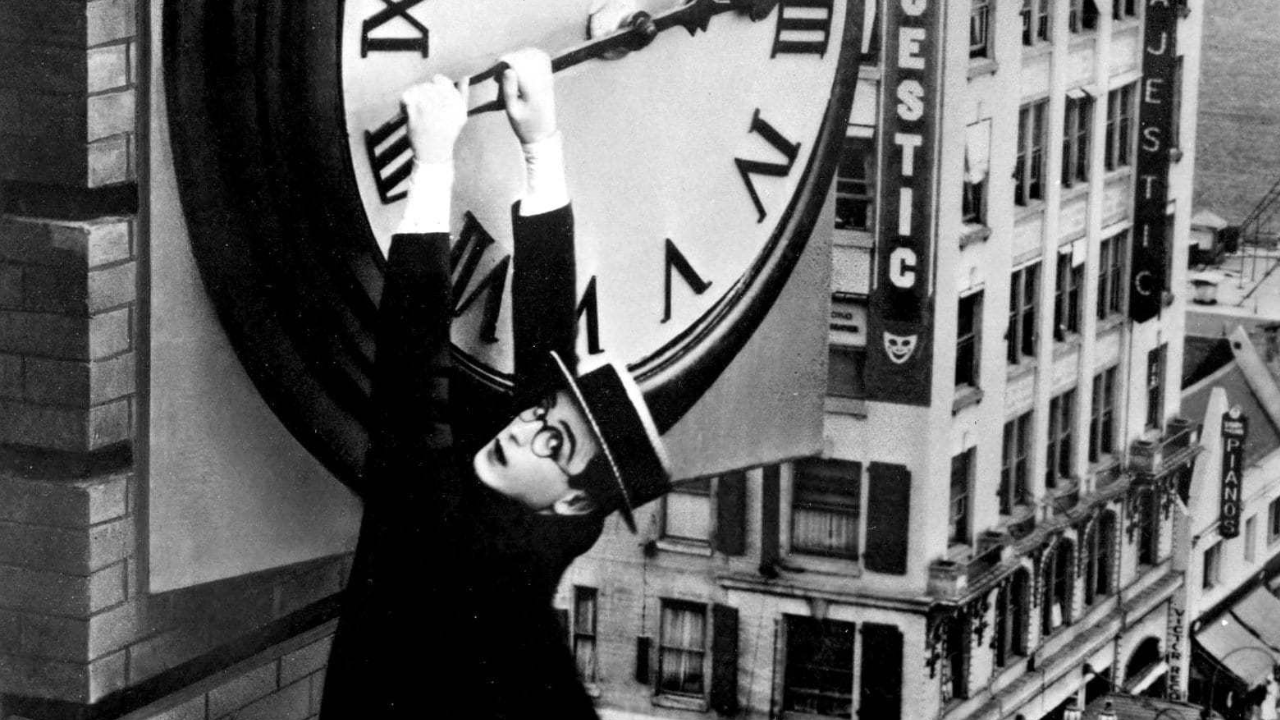
Stunt performers have been part of Hollywood since the silent film era. The early days of cinema were almost recklessly dangerous — no safety standards, minimal equipment, and directors who saw risk as just another production tool. People got hurt. People died. And the industry moved on without much reflection.
For decades, the unspoken rule was simple — stunt performers were there to make the star look good and then disappear. Their names rarely appeared in press coverage. Interviews never mentioned them. When an actor was praised for a physically demanding role, the stunt double who did half the actual work stood quietly in the background. It was a culture of invisibility that the industry built and maintained without ever really questioning it.
The Academy Awards, which have been handed out since 1929, have never once included a category for stunt performance. Think about that. Nearly a hundred years of cinema. An awards show that celebrates every other craft — costume design, sound mixing, visual effects — and the people who literally put their bodies on the line have never been formally recognized. Not once.
How Social Media Has Changed Hollywood Celebrity Culture Forever
The Risks Are Very Real
This isn’t about ego or awards politics. It’s about acknowledging a genuinely dangerous profession. Stunt work has claimed lives throughout Hollywood history, and serious injuries are far more common than the industry publicly admits. Even with modern safety protocols, the nature of the job means that something can always go wrong.
In 2017, stuntwoman Joi Harris died during the filming of Deadpool 2 in what was her very first stunt on a professional production. In 2021, Halyna Hutchins — a cinematographer, not even a stunt performer — was killed on the set of Rust, reigniting urgent conversations about on-set safety. These aren’t isolated incidents. They’re part of a pattern that reflects how Hollywood has historically treated physical risk as a cost of doing business rather than something to be genuinely minimized and honored.
The stunt community has pushed for better safety standards, better pay, and better recognition for years. And while the safety conversation has made some progress, the recognition piece has lagged far behind.
Things Are Starting to Shift
The turning point in public awareness arguably came with films like Mad Max: Fury Road, John Wick, and Mission: Impossible — franchises built almost entirely on the foundation of extraordinary practical stunt work. Audiences started to notice. Film critics started to write about it. The conversation around stunt performance moved from niche industry discussion into mainstream film culture.
Tom Cruise deserves some credit here, oddly enough. His very public commitment to doing his own stunts — hanging off planes, scaling skyscrapers, riding motorcycles off cliffs — brought stunt culture into the spotlight in a way that hadn’t happened before. It also raised a complicated question that the industry is still wrestling with: when an actor does their own stunts, they get praised as brave and dedicated. When a stunt performer does the same thing, it’s just their job. The double standard became harder to ignore.
The Screen Actors Guild Awards introduced a stunt ensemble award back in 1999, which was a meaningful step. But SAG is not the Oscars. The industry’s most prestigious night has continued to exclude the stunt community entirely, and that exclusion has become increasingly difficult to defend.
The Campaign for an Oscar Category
For years, stunt coordinators and performers have actively campaigned for the Academy to introduce a dedicated Oscar category for stunt coordination. The argument is straightforward and hard to argue against — if you can win an Oscar for hair and makeup, for sound editing, for animated short films, there is absolutely no logical reason why the craft of designing and executing complex stunt work should be excluded.
The Academy has acknowledged the conversation multiple times. They’ve been non-committal each time. The stunt community keeps pushing. Industry figures like Jackie Chan, who has built his entire career on physical performance and has spoken passionately about the dangers his stunt team faces, have lent their voices to the campaign. Slowly, the pressure is building.
In 2023 and into 2024, the conversation intensified significantly, with major trade publications running features on the campaign and several prominent directors publicly backing the push for an official category. Whether the Academy will act remains to be seen — but the fact that it’s now a mainstream conversation rather than a quiet industry grievance is itself a kind of progress.
The Performers Behind the Magic
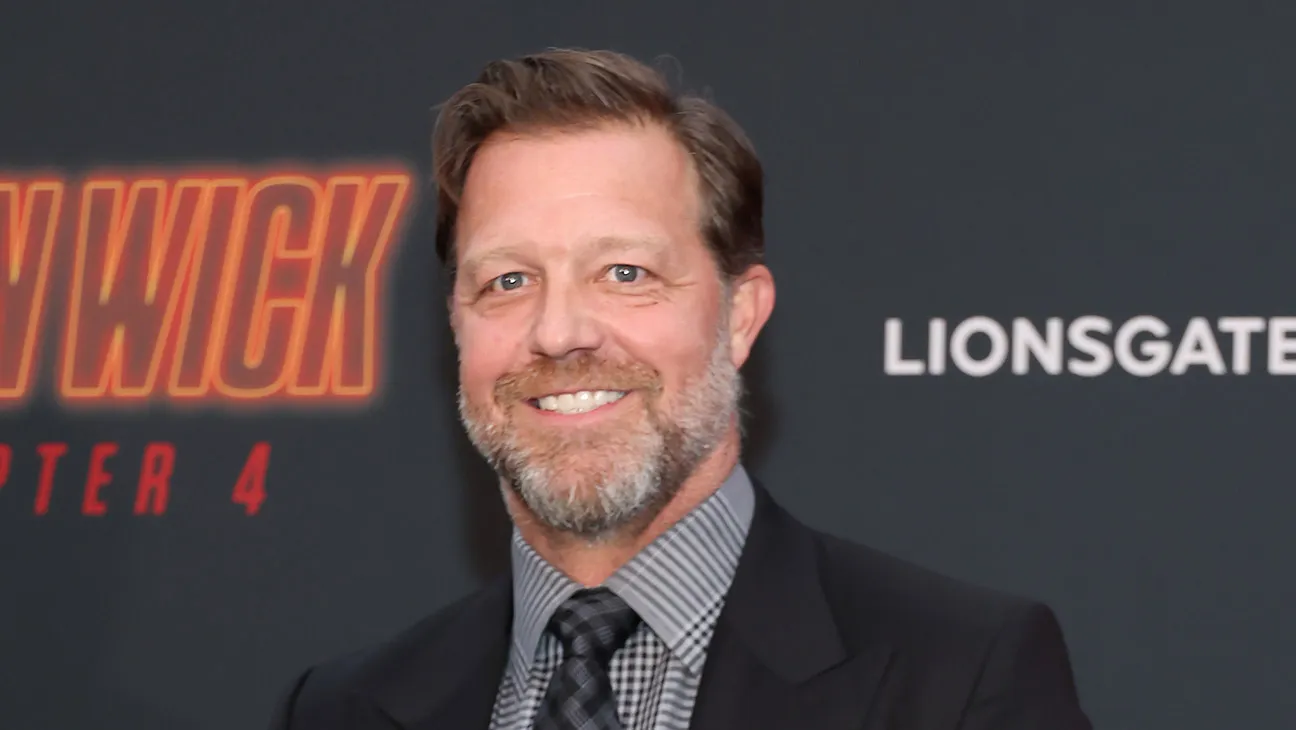
Part of what’s changed is that audiences are now actually learning the names. Zoë Bell, who was Uma Thurman’s stunt double in Kill Bill and went on to have an acting career of her own, has become one of the most recognized faces in the stunt world. David Leitch, who was Brad Pitt’s stunt double for years, transitioned into directing and is now behind major studio films like Bullet Train and Deadpool & Wolverine. These stories matter because they put human faces on a profession that Hollywood spent decades keeping faceless.
Social media has played a role too. Behind-the-scenes footage, stunt reel videos, and interviews with coordinators and performers have given audiences a window into just how much work goes into the action sequences they take for granted. When you watch a fight scene in John Wick and then watch the rehearsal footage, your entire relationship with that scene changes. You stop seeing choreography and start seeing craft.

Mohit Swami is the Head of Content at GYANTV, overseeing content strategy, editorial planning, and quality control across the platform. With experience in managing digital content workflows, he ensures that every article aligns with accuracy standards, audience relevance, and ethical publishing practices. His work focuses on building trustworthy, engaging, and reader-first content in health, lifestyle, and trending news categories.