
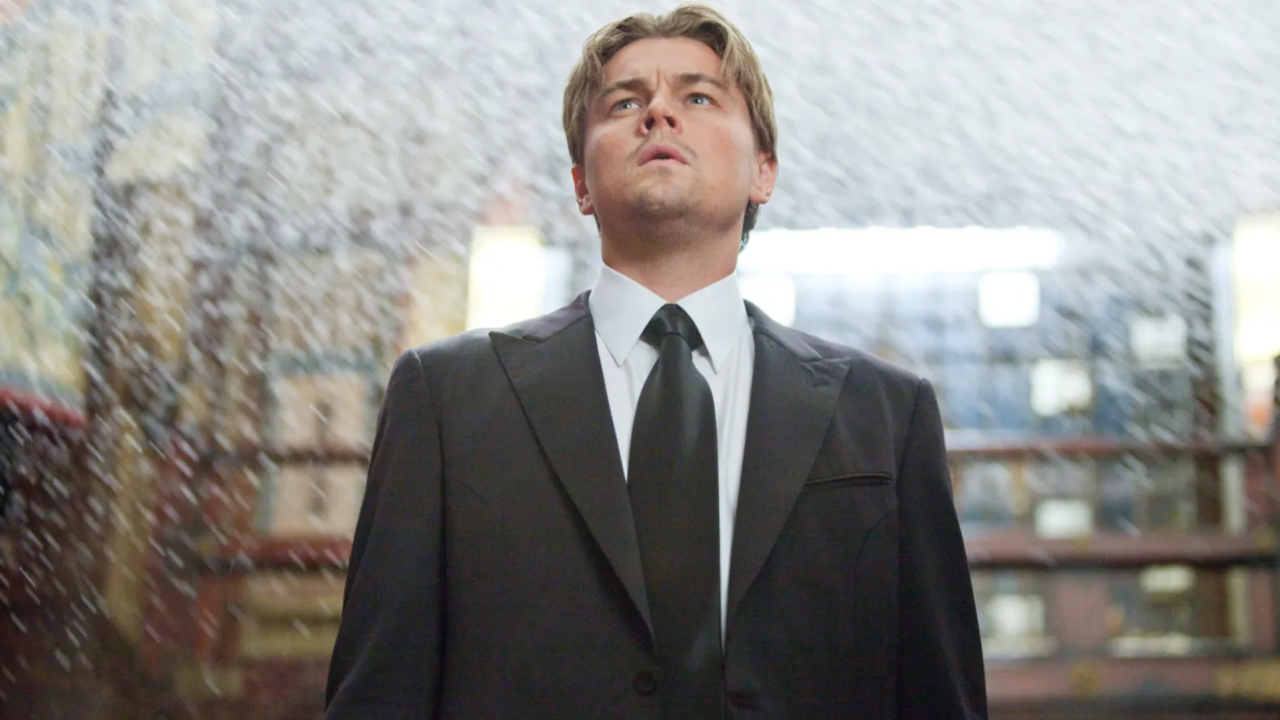
Some movies entertain you. Others genuinely change the way you think. Christopher Nolan’s Inception did both — and the film world has never quite been the same since.
Released in 2010, Inception arrived at a time when sci-fi blockbusters mostly relied on aliens, robots, or apocalyptic action. Nolan took a completely different path. He built a thriller around something far more personal — the human mind. That choice made all the difference.
A Story That Demanded Your Full Attention
At its core, Inception follows Dom Cobb, played brilliantly by Leonardo DiCaprio. Cobb enters people’s dreams to steal their secrets. However, his final mission flips the concept entirely. Instead of extracting an idea, he must plant one. Simple on the surface — wildly complex in execution.
The film layers dream within dream within dream. Each level operates on different rules, different time scales, and different emotional stakes. Audiences had to pay attention, and surprisingly, they loved it. The movie earned nearly $830 million at the box office and took home multiple Oscar wins, including a Best Picture nomination. That’s not luck — that’s a film connecting with people on a deep level.
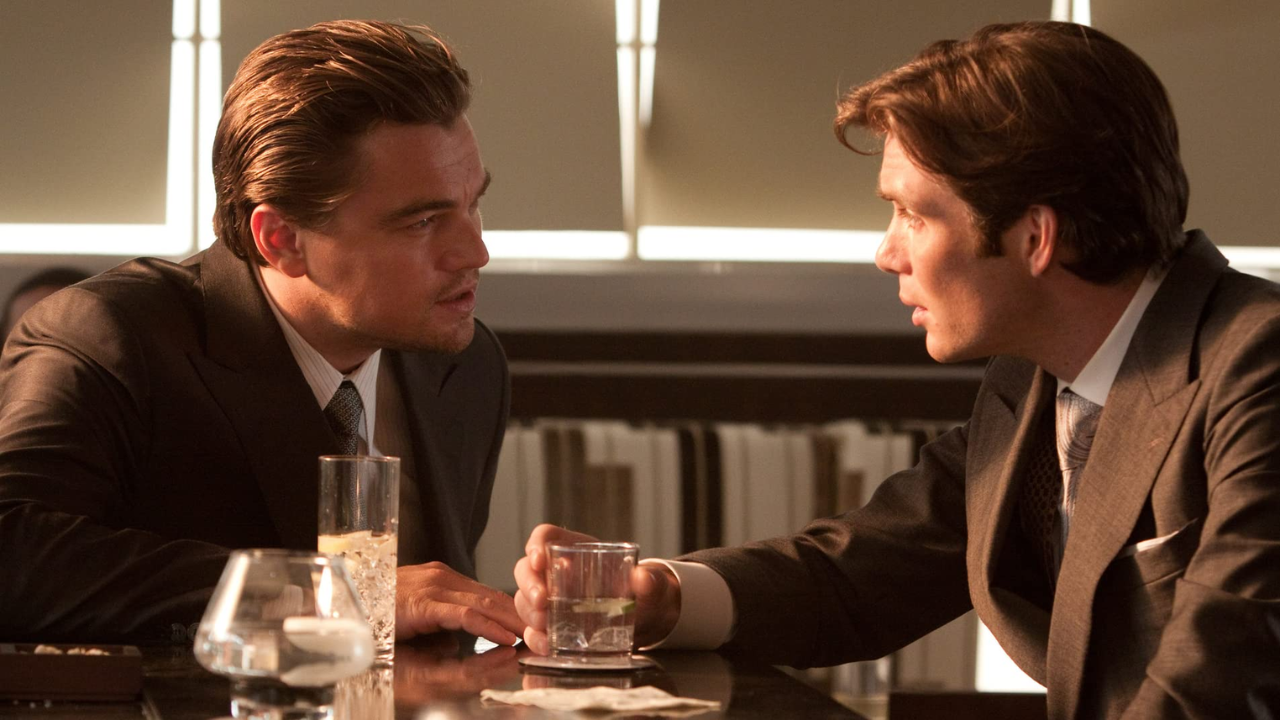
Science Fiction With a Human Heart
Here’s what truly set Inception apart. It never felt cold or mechanical. Beneath all the dream architecture and spinning tops, the story was about grief. Cobb missed his late wife. He wanted to return home to his children. Every mind-bending sequence carried emotional weight.
That combination — intellectual complexity wrapped in personal pain — gave the film a texture most sci-fi films simply skip. You weren’t just watching ideas. You were feeling them.
Christopher Nolan spent over eight years developing the screenplay, crafting a narrative that would ultimately redefine the genre. That dedication shows in every frame. Nothing in the film feels accidental.
The Visual Language It Created
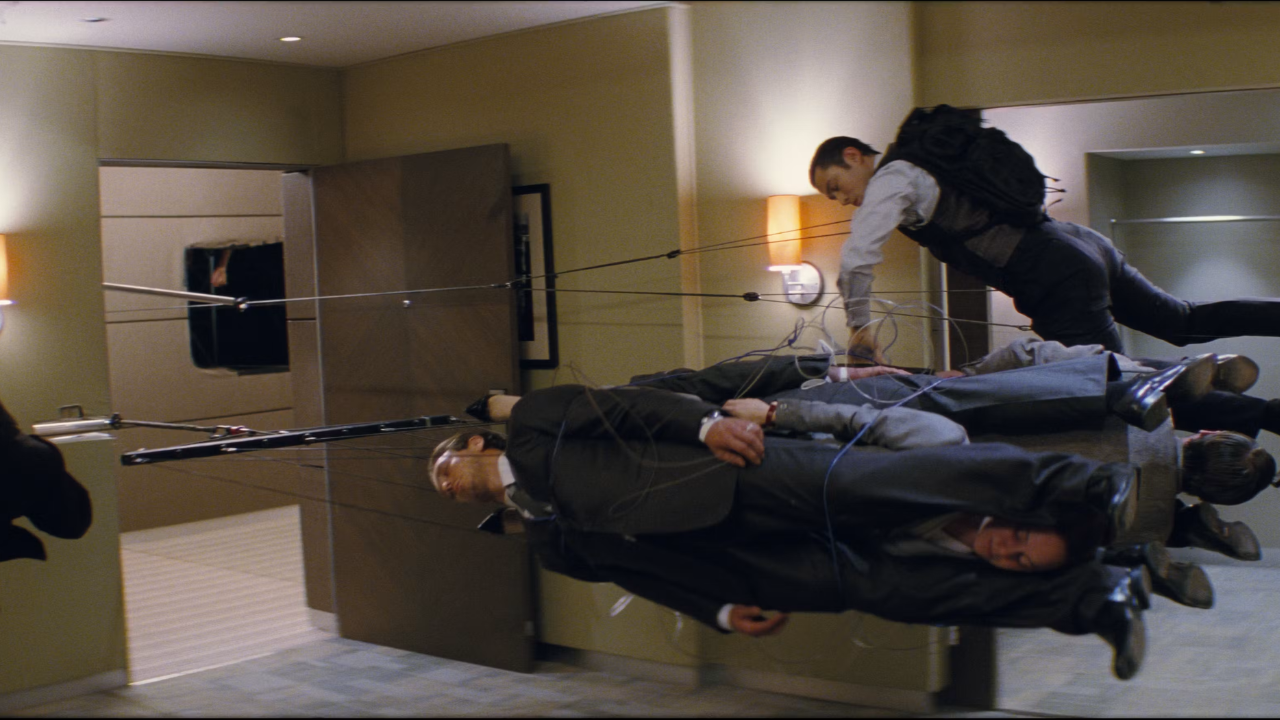
Inception introduced a new grammar for science fiction filmmaking. Folding cities, infinite staircases, zero-gravity hallways — these weren’t just cool visuals. Each image carried story logic behind it. At the Academy Awards, the film earned eight nominations and won four, including Best Cinematography and Best Visual Effects.
Those wins were well-deserved. The visuals served the narrative rather than overwhelming it. That discipline taught a generation of filmmakers something valuable — spectacle without story is just noise.
Opening Doors for a New Era
Perhaps the greatest legacy of Inception is what it inspired. Films like Arrival, Ex Machina, Blade Runner 2049, and The Martian all followed in a similar spirit — pushing the boundaries of science fiction with grounded, deeply human concepts.
Before Inception, studios hesitated to greenlight original, complex sci-fi. The film proved audiences wanted something challenging. Its box office success demonstrated that viewers were hungry for thought-provoking, visually stunning storytelling — and it sparked a resurgence of interest in high-concept science fiction.
That’s a remarkable gift to the genre.
Why It Still Hits Different Today
Fifteen years after its release, Inception continues to captivate audiences with its innovative storytelling and emotional depth. People still debate the ending. They still rewatch it looking for new layers. Very few films hold that kind of staying power.
What Inception understood — and what continues to resonate — is that the best science fiction isn’t about technology. It’s about people. Their fears, their loves, their unresolved grief. Nolan simply chose dreams as the canvas.
And on that canvas, he painted something that will last far longer than a single decade. Inception didn’t just tell a great story. It reminded all of us that great cinema can make you feel and think at the very same time.
If you also want to know about best performances of Cillian Murphy,ranked click here – https://thegyantv.com/entertainment/slug-best-performances-cillian-murphy-ranked/

Mohit Swami is the Head of Content at GYANTV, overseeing content strategy, editorial planning, and quality control across the platform. With experience in managing digital content workflows, he ensures that every article aligns with accuracy standards, audience relevance, and ethical publishing practices. His work focuses on building trustworthy, engaging, and reader-first content in health, lifestyle, and trending news categories.