
You’ve probably watched Interstellar more than once. Maybe twice. Yet Christopher Nolan packed so many layers into this film that even the sharpest viewers miss something new every time. These aren’t random Easter eggs. Each hidden detail connects directly to the story’s emotional core.
Let’s break them down — one by one.
The Dust Settling on the Floor Was Actually a Message
Early in the film, Cooper notices strange dust patterns forming on Murph’s bedroom floor. Most viewers assume it’s just a mysterious anomaly. Actually, it’s Cooper himself sending a message — from the future.
The gravitational anomalies spell out coordinates in binary code. Those coordinates lead Cooper to NASA. In other words, Cooper’s entire journey begins because his future self guided him there. The cause and the effect exist at the same time. That detail alone rewires how you see the opening act.
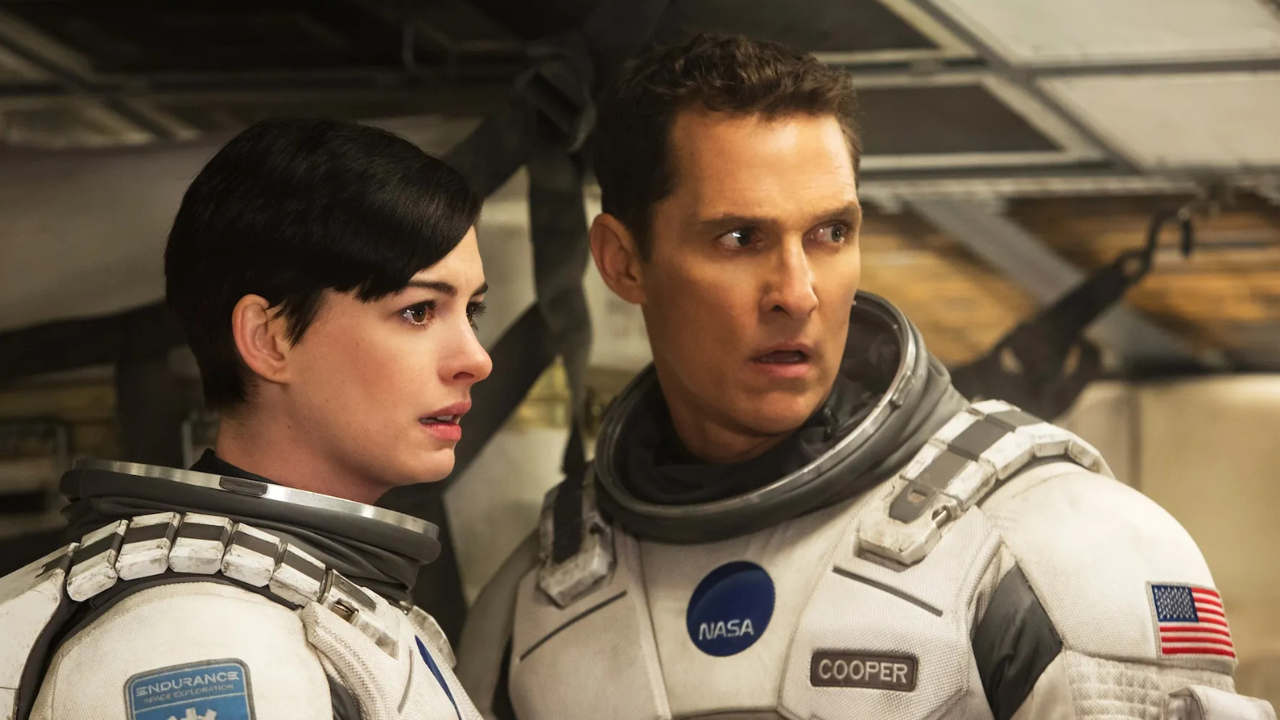
The Bookshelves Hold the Entire Film’s Answer
When Cooper enters the tesseract near the end, he finds himself behind Murph’s bookshelf. He uses gravity to push books off the shelf. But here’s what most people miss — the books weren’t chosen randomly.
Nolan selected titles that connect directly to themes of time, science, and human survival. The bookshelves essentially represent Cooper’s only tool to communicate across time. Everything the film is about — love transcending dimensions — is literally held together by a wall of books.
The Watch Was Always the Key
Cooper gives Murph his watch before leaving Earth. It seems like a sentimental goodbye gift. However, it’s far more than that.
Later, inside the tesseract, Cooper uses quantum data to manipulate the watch’s second hand. The watch becomes the device that saves humanity. Nolan planted this payoff in the very first act. Most viewers only see a father saying goodbye. The second time around, you see everything.
Michael (2026) Review: A Spectacular Show That Plays It Too Safe
TARS Has More Personality Than You Think
TARS, the robot companion, is set to 90% honesty. Cooper jokes about it early in the film. That throwaway line actually matters later.
TARS withholds certain information from Cooper — not out of malice, but because full honesty would have paralyzed him with fear. The 10% dishonesty is strategic. It’s programmed compassion. That single setup-and-payoff moment reveals something powerful — sometimes, kindness requires a little silence.
The Waves on Miller’s Planet Were a Visual Warning
The ocean waves on Miller’s planet look visually stunning. But Nolan embedded a quiet horror inside that beauty. Each wave is roughly 1.2 kilometers tall.
Additionally, the sound design is deliberate. The waves are nearly silent as they approach. By the time you hear them, it’s already too late. Nolan used silence as dread. That creative choice makes the scene far more terrifying than any jump scare ever could.
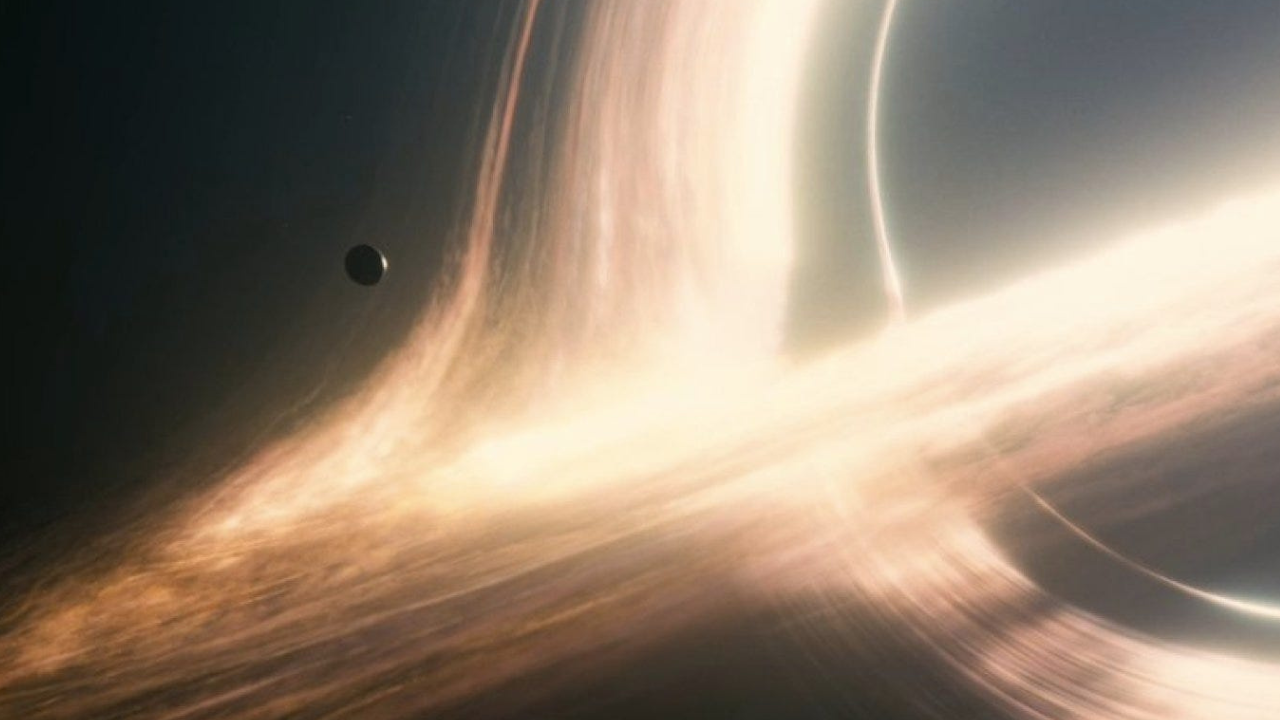
Every Hour on Miller’s Planet = 7 Years on Earth
This one sounds simple. Yet most viewers don’t feel its full weight until the communication scene. Cooper and the crew spend just a few hours on the planet’s surface. Meanwhile, back on the ship, Romilly waits 23 years alone.
When they return and watch decades of unread video messages, the moment hits differently when you do the math yourself. Nolan didn’t spell it out. He trusted the audience to feel the math rather than just understand it.
The Film’s Title Appears Only Once — and It’s Subtle
“Interstellar” never appears dramatically on screen. It shows up quietly, almost like a footnote, during a NASA briefing. Most viewers blink and miss it.
That restraint is very intentional. Nolan wanted the word to feel functional — a mission classification — rather than a grand declaration. It reflects the film’s entire philosophy. The biggest ideas are often the quietest ones.
Hans Zimmer Composed the Score Without Reading the Script
Here’s a behind-the-scenes detail that changes how you hear the music. Christopher Nolan gave Hans Zimmer a single handwritten note before he started composing. That note described a story about a father and a child — nothing more.
Zimmer wrote the emotional core of the score based purely on that relationship. Only afterward did he learn it was a space epic. As a result, the music feels deeply human rather than cosmic. That’s not an accident. It’s one of the most deliberate creative decisions in modern filmmaking.
What Makes Interstellar Unforgettable
Most blockbusters hide Easter eggs for fun. Nolan hides meaning. Every hidden detail in Interstellar connects back to one central idea — love is the only force that transcends time, space, and logic.
The dust on the floor. The watch. The bookshelves. None of it is decorative. All of it is intentional. And that’s exactly why this film keeps pulling people back for one more watch.

Mohit Swami is the Head of Content at GYANTV, overseeing content strategy, editorial planning, and quality control across the platform. With experience in managing digital content workflows, he ensures that every article aligns with accuracy standards, audience relevance, and ethical publishing practices. His work focuses on building trustworthy, engaging, and reader-first content in health, lifestyle, and trending news categories.