
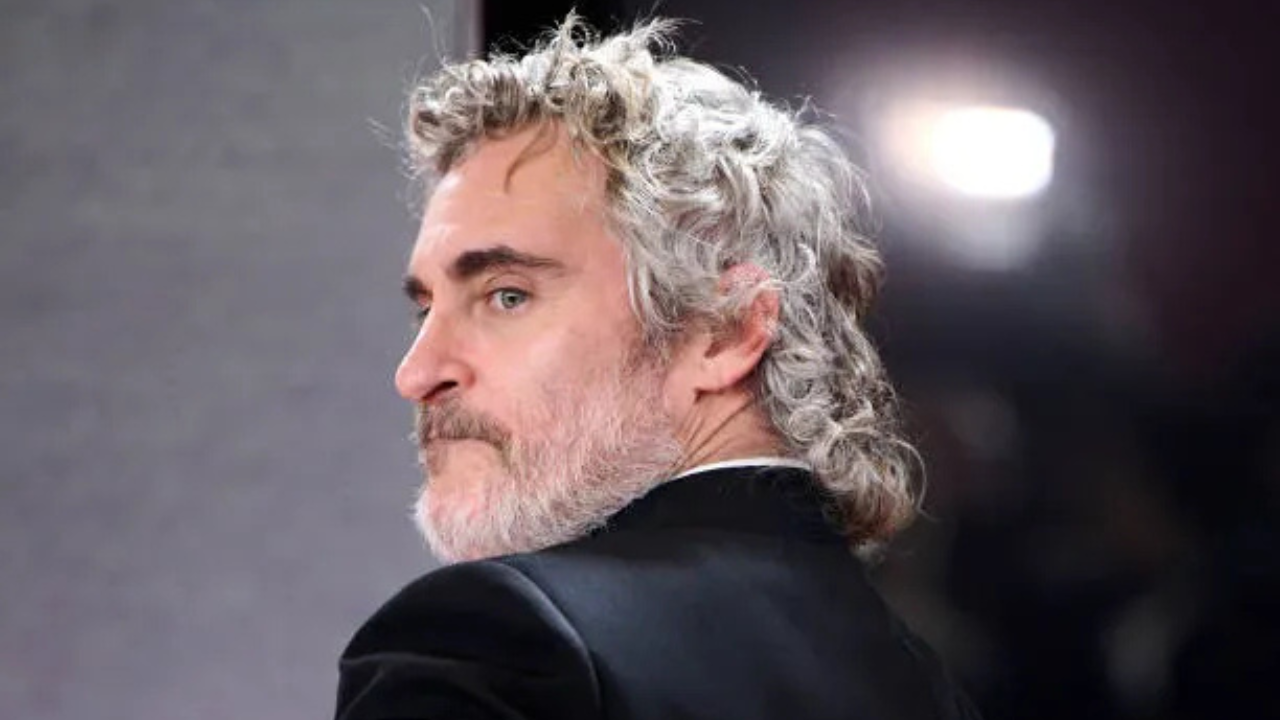
There’s a moment in Joker where Joaquin Phoenix laughs — a horrible, involuntary, broken laugh that sounds less like joy and more like something tearing. It’s deeply uncomfortable to watch. It’s also completely unforgettable. And it wasn’t in the script. Phoenix developed it himself, spending months researching pathological laughter before filming began.
That detail tells you almost everything you need to know about how this man works.
Joaquin Phoenix is not the most prolific actor of his generation. He doesn’t do franchises. He doesn’t do press tours if he can help it. He takes long breaks between projects and has, on at least one occasion, pretended to quit acting entirely. But when he shows up — really shows up — there is almost no one working today who does what he does at the level he does it.
The question worth asking is: why? What is actually happening, psychologically and technically, when Joaquin Phoenix disappears into a role?
The Method, But Not Quite
It would be easy to label Phoenix a Method actor and move on. The extreme physical transformations. The staying in character between takes. The obsessive preparation. It all fits the profile. But people who have worked with him push back on that label, and Phoenix himself has expressed skepticism about the rigidity of Method acting as a doctrine.
What Phoenix practices is something more instinctual and less codified. He doesn’t follow a system — he builds a completely individual approach for every role he takes. For Walk the Line, he learned to sing and play guitar live, refusing to lip-sync because he felt the physical act of performing was essential to understanding Johnny Cash’s relationship with music. For Her, he acted opposite an earpiece for most of the film, finding emotional intimacy with a voice that wasn’t there. For The Master, he worked with Paul Thomas Anderson to develop Freddie Quell’s physical mannerisms — the jutting jaw, the strange stillness — before a single line was written.
The Body as the Character
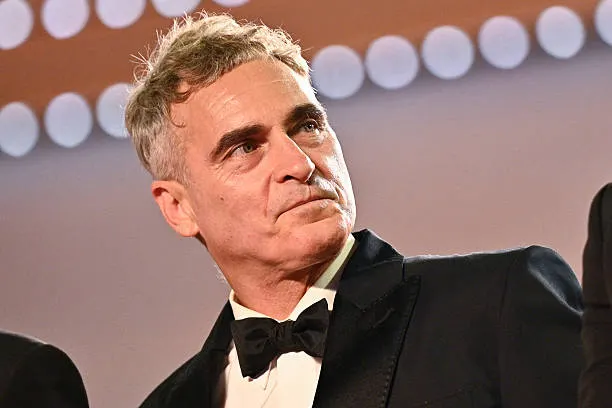
One of Phoenix’s most distinctive instincts is his belief that character lives in the body before it lives in the mind. He doesn’t start with motivation or backstory in the conventional sense. He starts with physicality — how does this person stand, move, breathe, hold tension?
Watch him across his filmography and the physical transformation is striking every single time. Freddie Quell in The Master moves like a coiled spring, all tension and barely suppressed chaos. Theodore in Her carries himself with a gentle, slightly collapsed posture — a man who has retreated inward. Arthur Fleck in Joker is perhaps the most extreme example: Phoenix lost 52 pounds for the role, and that physical reality — the visible ribs, the shrunken frame — fundamentally changed how Arthur moved through the world and how the camera related to him. The weight loss wasn’t aesthetic. It was psychological architecture.
Discomfort as a Tool
Phoenix seems to actively seek discomfort in his process, and not in a punishing way — in a generative one. He’s spoken about the value of not fully understanding a character before filming begins, of allowing confusion and uncertainty to live in his performance rather than resolving everything in rehearsal.
This is counterintuitive. Most actors want clarity — clear motivation, clear emotional arc, clear intention in every scene. Phoenix deliberately withholds that from himself. The result is a rawness that audiences can feel even when they can’t name it. There’s something happening in his performances that feels genuinely unresolved, genuinely searching, because it often is.
Directors who work with him describe a similar experience: he resists over-rehearsal, preferring to keep something volatile and alive for the camera. Paul Thomas Anderson has spoken about leaving space in his scripts specifically because Phoenix fills that space with things no writer could have anticipated.
The Emotional Architecture
Beyond the physical, Phoenix has an extraordinary capacity for emotional ambiguity. His characters rarely feel one thing at a time. In The Master, Freddie Quell’s devotion to Lancaster Dodd is simultaneously worship, resentment, love, and contempt — and Phoenix holds all of it at once without resolving any of it. In Joker, Arthur Fleck moves between vulnerability and menace in a single scene, sometimes in a single shot, without the transition ever feeling false.
This is technically extremely difficult to do. Most actors are trained to find the single dominant emotion in a scene and play it clearly. Phoenix seems to work in chords rather than single notes — multiple emotional frequencies vibrating at the same time. It creates a quality of psychological realism that’s rare in cinema, because real people rarely feel just one thing either.
The Risk He Always Takes
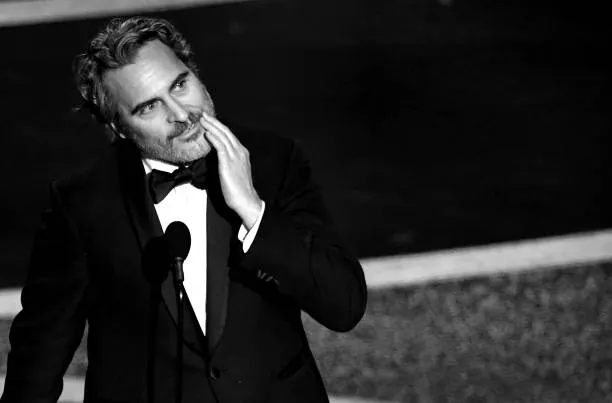
Here’s what separates Phoenix from nearly everyone else working at his level: he is genuinely willing to fail. Not in a reckless way, but in the way that only someone who trusts their instincts completely can afford to be. He takes roles that shouldn’t work. He makes choices in scenes that shouldn’t land. And more often than not, they do — because the commitment behind them is absolute.
That willingness to be strange, to be wrong, to be uncomfortable on camera is what makes him magnetic. Audiences can feel when an actor is playing it safe. With Phoenix, that option doesn’t appear to exist.
He’s not performing characters. He’s inhabiting them — body, psychology, contradiction and all. And that, more than any technique or theory, is what makes watching him one of the genuinely singular experiences that cinema still has to offer.

Mohit Swami is the Head of Content at GYANTV, overseeing content strategy, editorial planning, and quality control across the platform. With experience in managing digital content workflows, he ensures that every article aligns with accuracy standards, audience relevance, and ethical publishing practices. His work focuses on building trustworthy, engaging, and reader-first content in health, lifestyle, and trending news categories.