
Hollywood has always had a thing for going big. Bigger stars, bigger stunts, bigger everything. And somewhere along the way, spending half a billion dollars on a single movie became… normal? But here’s the question nobody in the studio boardroom wants to answer out loud — does spending more actually mean earning more? Spoiler: not always.
Before we get into the numbers, it’s worth understanding how Hollywood actually makes money. A film doesn’t break even just by matching its production budget at the box office. Studios typically need a movie to earn at least two to two-and-a-half times its production budget to actually see profit — once marketing, distribution, and theatre cuts are all taken out. So when a film has a $200 million budget, it often needs $400 million or more just to stop bleeding money. Keep that in mind.
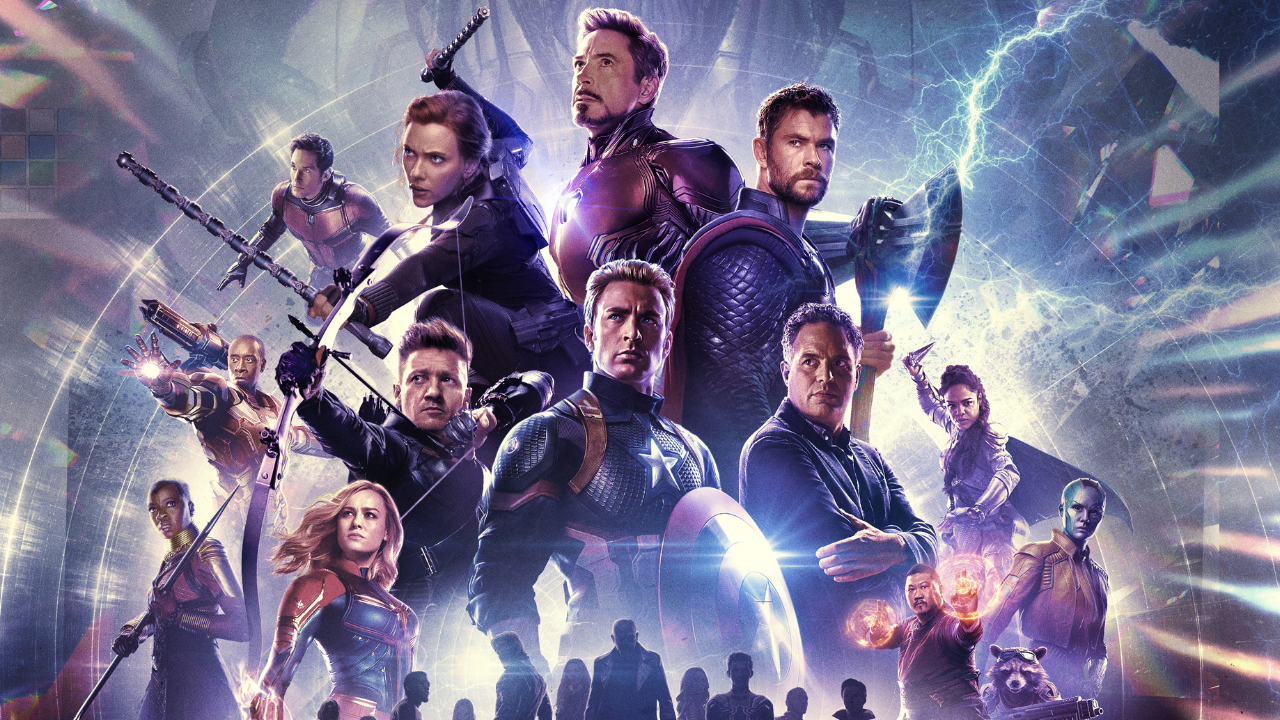
Avengers: Endgame — The Dream Scenario
If there’s one film that justifies Hollywood’s big-budget obsession, it’s Endgame. Made on a budget of around $356 million, it went on to gross nearly $2.79 billion worldwide. That’s not a return on investment — that’s a phenomenon. Marvel didn’t just make a movie; they cashed in on over a decade of storytelling that audiences were emotionally invested in. When you build a universe right, people don’t just show up — they show up opening weekend, dressed in costume, crying in theatres. The ROI here was extraordinary, and it set a benchmark that studios have been desperately chasing ever since.
Pirates of the Caribbean: On Stranger Tides — Big Numbers, Small Margins
This one is sneaky. On Stranger Tides earned over a billion dollars at the global box office, which sounds like a massive win. But its production budget was reportedly around $379 million — making it one of the most expensive films ever produced. Once you factor in marketing and distribution, the actual profit was far less glamorous than that billion-dollar headline suggests. It was a financial tightrope walk dressed up as a blockbuster. The franchise hasn’t really found its footing since, and this film is a big reason why.
How Social Media Has Changed Hollywood Celebrity Culture Forever
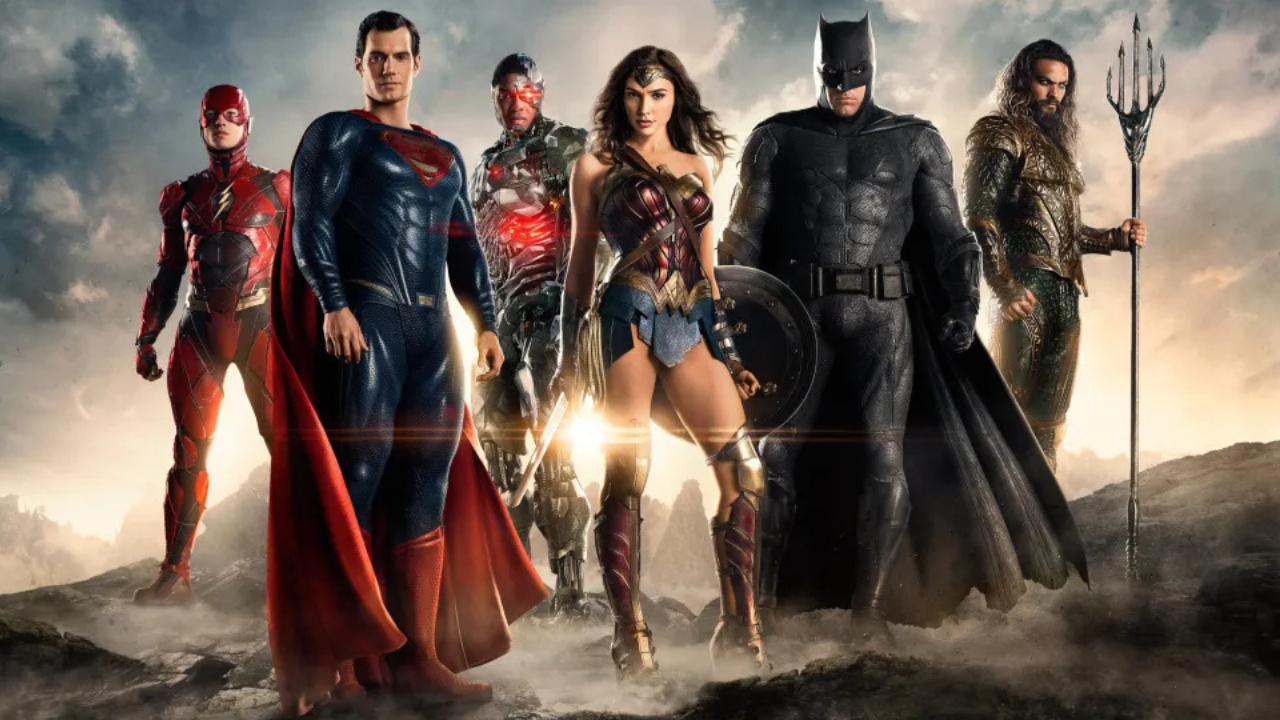
Justice League — A $300 Million Disaster
If Pirates was a tightrope, Justice League fell right off it. Warner Bros. spent around $300 million bringing DC’s biggest heroes together — and the result was a movie that earned roughly $657 million worldwide. That sounds decent until you remember the break-even math. The studio reportedly lost over $60 million on the film. A last-minute director change, extensive reshoots, and the now-infamous CGI-erased mustache situation didn’t help. It remains one of the most high-profile examples of a blockbuster that had everything on paper and still fell apart completely.
Waterworld — The Flop That Wouldn’t Stay Dead
Back in 1995, Waterworld was the most expensive movie ever made at the time — around $175 million, which would be closer to $350 million in today’s money. It earned $264 million globally and was immediately branded a colossal flop. The tabloids had a field day. But here’s the twist — over time, through home video, TV broadcasts, and a devoted cult following, Waterworld quietly crept into profitability. It’s a weird, fascinating case of a movie the industry wrote off that simply refused to die. Sometimes the box office isn’t the final word.
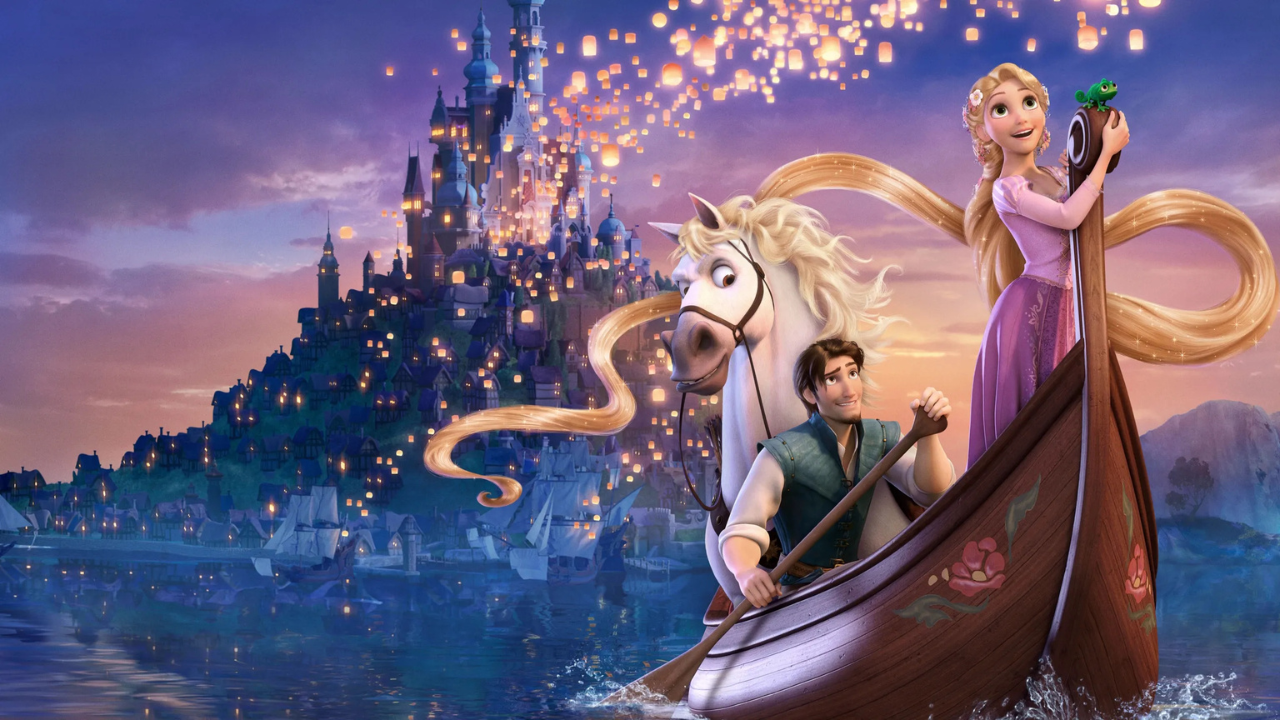
Tangled — The Slow Burn Winner
Disney’s Tangled cost around $260 million and took years to develop, largely because of the technology required to animate Rapunzel’s iconic hair. It earned $591 million theatrically, which was solid but not earth-shattering. The real return came later — merchandise, Disney parks, and the streaming era gave Tangled a second life that made the original investment look very smart in hindsight. Not every big-budget film pays off immediately, and Tangled is proof that patience can be its own kind of strategy.

Mohit Swami is the Head of Content at GYANTV, overseeing content strategy, editorial planning, and quality control across the platform. With experience in managing digital content workflows, he ensures that every article aligns with accuracy standards, audience relevance, and ethical publishing practices. His work focuses on building trustworthy, engaging, and reader-first content in health, lifestyle, and trending news categories.