
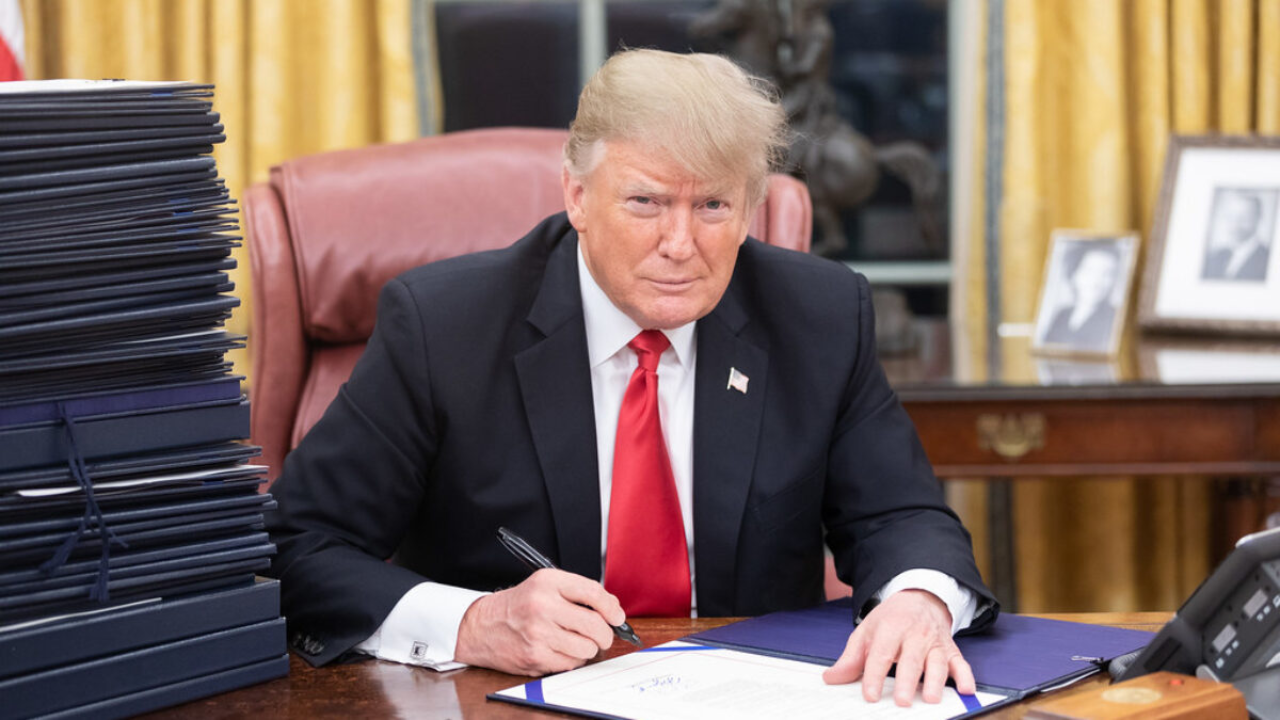
By the time most people finish their morning coffee, Donald Trump has already made three deals. That might be an exaggeration — but not by much. Love him or leave him, Trump’s approach to business has produced skyscrapers, bestselling books, a hit TV show, and eventually the Oval Office. There’s a reason millions of entrepreneurs study his playbook.
This isn’t about politics. This is about strategy — raw, unapologetic, and surprisingly practical.
Here are the core business lessons hidden inside Trump’s decades-long career as a dealmaker.
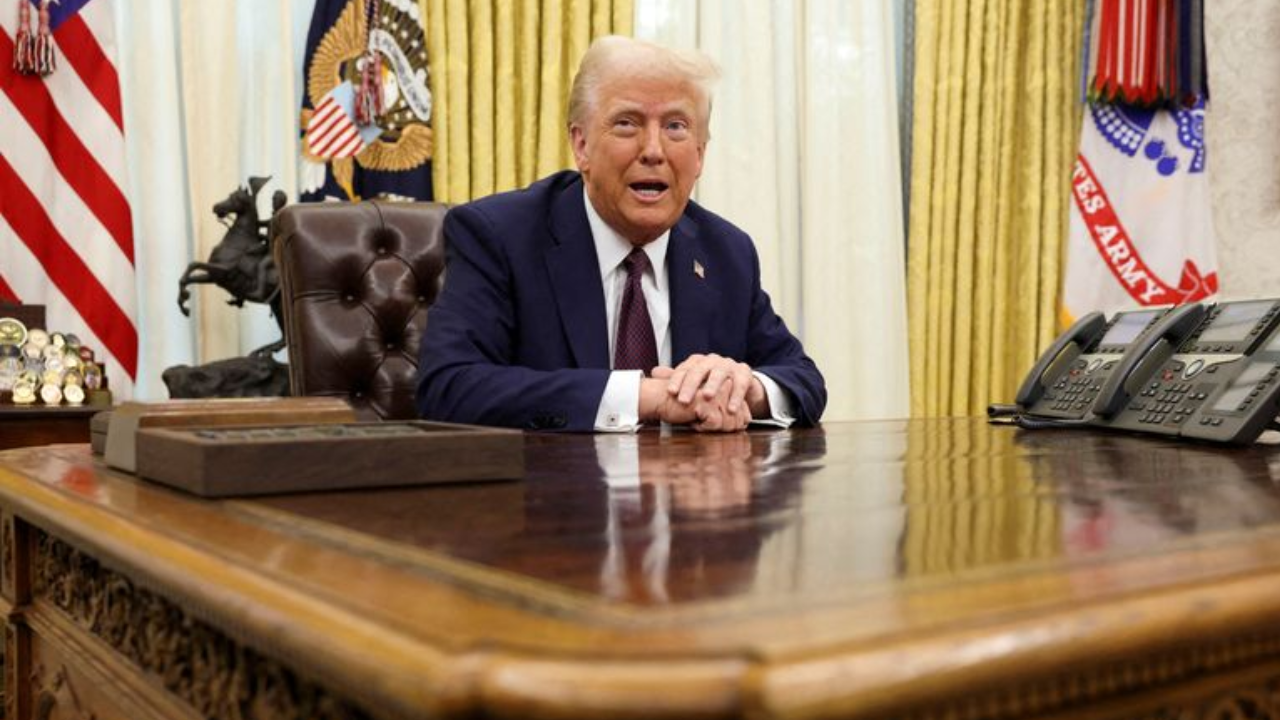
Think Bigger Than Everyone in the Room
Trump has said it himself countless times: “If you’re going to be thinking anyway, you might as well think big.”
Most people limit themselves before they even start. They aim for a small apartment complex when they could be imagining a tower. Trump’s earliest lesson — learned from his father Fred Trump — was that scale matters. Going bigger doesn’t always mean more risk. Often, a larger project attracts better financing, stronger partners, and more serious attention.
The takeaway: Don’t shrink your vision to fit your current resources. Build the vision first, then find the resources to match.
Brand Is Everything — Protect It Like Gold
One of Trump‘s most underrated business moves was turning his own name into a luxury brand. The word “Trump” on a building didn’t just mean real estate — it meant prestige, exclusivity, and a promise of quality.
He licensed his name to hotels, golf courses, and products around the world — sometimes without investing a single dollar of his own capital. The brand did the heavy lifting.
This is a masterclass in what modern marketers call personal brand monetization. Your name, your reputation, and your story are assets — and they can generate income long after a single product or deal is gone.
The takeaway: Build a brand, not just a business. A business can fail. A strong brand survives.
Donald Trump Sleeps 4 Hours a Night — Here’s What He Does With the Other 20
3. Negotiate Hard — But Always Leave Something on the Table
Trump’s book The Art of the Deal became one of the best-selling business books of all time. The central idea? Every negotiation is a performance, and the person who controls the narrative controls the outcome.
He’s famous for anchoring high — asking for far more than he expects — and working backward. By starting aggressive, he creates room to “give in” while still landing close to his target.
But here’s the part people miss: Trump understood that burning bridges is bad for long-term business. The goal is a deal where both sides feel they won something. That’s what keeps the phone ringing for the next deal.
The takeaway: Negotiate boldly, but build relationships — not just transactions.
Leverage Other People’s Money (OPM)
This is perhaps Trump’s most-discussed and most-misunderstood strategy. He rarely used purely personal funds to build his empire. Instead, he mastered the use of bank loans, investor capital, and creative financing structures.
Real estate in particular rewards leverage. By putting down a fraction of the total cost and borrowing the rest, you can control assets far larger than your cash allows — and if the asset appreciates, you keep most of the upside.
The key is understanding the terms, managing the risk, and knowing when to walk away from a deal that doesn’t pencil out.
The takeaway: You don’t need to own everything to control it. Smart use of financing accelerates growth.
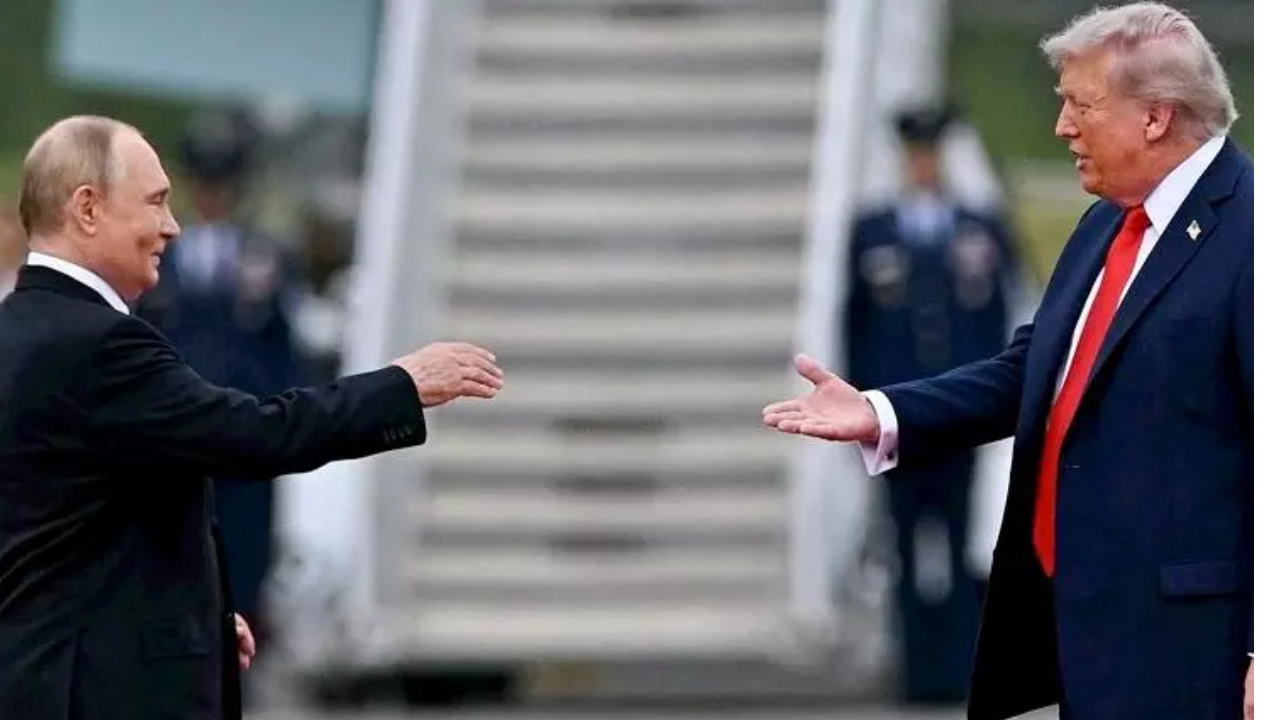
Stay Visible — Attention Is Currency
Before social media, Trump understood something that most business leaders didn’t: publicity is free advertising.
He cultivated relationships with journalists. He appeared on talk shows. He put his name on everything from steaks to board games. Whether the coverage was flattering or not, people were talking — and in business, being talked about is often better than being ignored.
In today’s world, this translates directly to content marketing, social media presence, and building an audience. The entrepreneurs winning right now aren’t hiding behind their products. They’re out front, telling their story, and making themselves part of the conversation.
The takeaway: Show up, speak up, and stay relevant. Silence doesn’t build brands.
Adapt or Get Left Behind
Here’s something surprising: Trump’s business life wasn’t a straight line to the top. There were bankruptcies, failed ventures, and public stumbles. What’s notable is how many times he pivoted.
Real estate. Casinos. Books. Television. Branding. Politics. Each chapter looked completely different from the last — and each one built on the name and network from the previous one.
The ability to adapt — to cut losses on what isn’t working and double down on what is — is a skill that separates long-term players from one-hit wonders.
The takeaway: Failure isn’t final. The pivot is part of the plan.
Master the Art of the Bold Move
Whether it’s naming a building after himself, launching a presidential campaign, or calling out competitors directly — Trump consistently makes bold moves that generate buzz and shift conversations.
In business, timid decisions produce timid results. The entrepreneurs who break through are the ones willing to make a call when others are waiting, to launch before everything is perfect, and to own their choices publicly.
The takeaway: Be decisive. Calculated boldness beats paralyzed perfection every time.
How Donald Trump Built a Powerful Business Empire From the Ground Up
Final Thoughts
You don’t have to agree with every decision Trump has made to learn from his business mindset. The strategies above — thinking big, building a brand, negotiating smart, leveraging capital, staying visible, adapting to change, and making bold moves — are timeless principles that apply whether you’re launching a startup or running a Fortune 500 company.
The most successful entrepreneurs don’t wait for the perfect conditions. They study those who’ve built something, take what’s useful, and go build something of their own.
Start with one principle. Apply it this week. See what happens.

Mohit Swami is the Head of Content at GYANTV, overseeing content strategy, editorial planning, and quality control across the platform. With experience in managing digital content workflows, he ensures that every article aligns with accuracy standards, audience relevance, and ethical publishing practices. His work focuses on building trustworthy, engaging, and reader-first content in health, lifestyle, and trending news categories.