
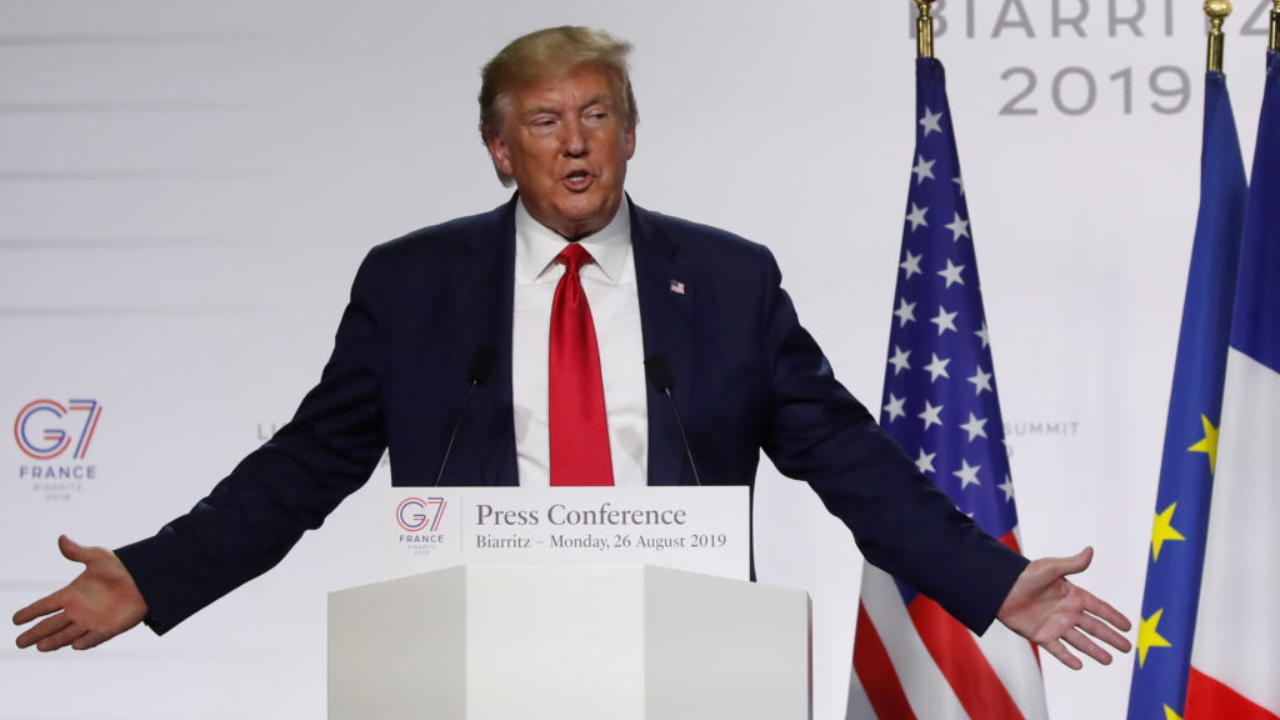
You’ve seen it play out on the world stage. Bold demands. Surprise moves. High-stakes pressure. Love him or not, Donald Trump negotiates unlike anyone else in modern American politics. So what’s actually going on behind the scenes? Let’s break it down — tactic by tactic.
Start Big. Really Big.
Trump almost always opens with an extreme demand. This is called anchoring, and it’s deliberate. He habitually opens with an extreme anchor — an initial demand at the very far end of what seems possible.
Why does this work? Because it shifts the entire conversation. Suddenly, a smaller demand feels like a reasonable compromise. Think of it like asking for the whole pie, then settling for three slices — and calling it a win.
This tactic showed up clearly in the NAFTA renegotiation. Trump threatened to cancel the deal entirely, which helped push Canada and Mexico into agreeing to a new trade agreement, the USMCA. He started big. He got results.
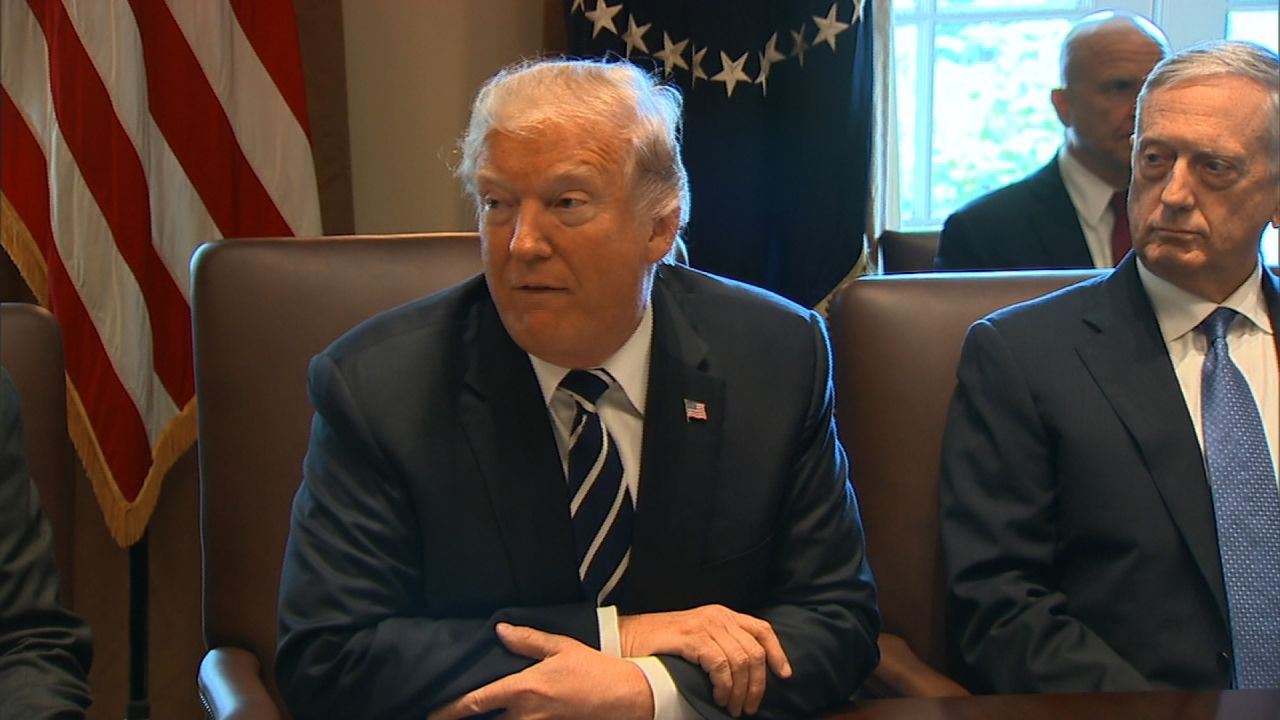
Leverage Is Everything
Trump treats leverage like a tool — and he uses it aggressively. He often threatened high tariffs or sanctions to pressure other countries, calling himself the “Tariff Man.” He believed America’s economic size gave him the upper hand in almost every conversation.
In 2019, that strategy delivered fast results. He threatened tariffs on Mexico unless they did more to stop illegal immigration. Mexico quickly responded by sending troops to the border. His supporters saw this as proof the tough approach worked — and it’s hard to argue with results that fast.
The Power of Unpredictability
Here’s something most people miss. Trump treats unpredictability as a feature, not a flaw. He believes that keeping everyone off-balance — allies and adversaries alike — gives him an edge.
Consider the North Korea situation. He shifted from calling Kim Jong Un “Rocket Man” and threatening war to suddenly agreeing to a historic summit in 2018. This kept North Korea off balance and temporarily stopped missile testing without the U.S. making significant concessions.
That’s a bold swing. And it worked — at least temporarily.
How Donald Trump Built a Powerful Business Empire From the Ground Up
Controlling the Conversation
Trump doesn’t just negotiate. He controls the narrative around the negotiation. Throughout his deals, Trump positioned himself as the only one “fighting” for a clear goal, painting opposition as weak or obstructionist.
Additionally, from a game theory perspective, power in negotiations comes down to two key factors: the number of alternatives available to you, and your ability to commit to a specific course of action. Trump understands both deeply. He commits loudly and publicly — making it hard for the other side to call his bluff.
Truthful Hyperbole: Say It Boldly
Trump actually named this tactic himself. In his 1987 book The Art of the Deal, he described “truthful hyperbole” as a way to capture attention and make others see him as stronger than he might actually be.
In practice, this means starting with dramatic statements. Over time, those statements become the baseline for the conversation. The outrageous idea becomes the new normal. Trump’s language dominated discussions to the point where even opponents had to argue against his framing — which made them appear obstructionist to some Americans.
That’s a masterclass in reframing.
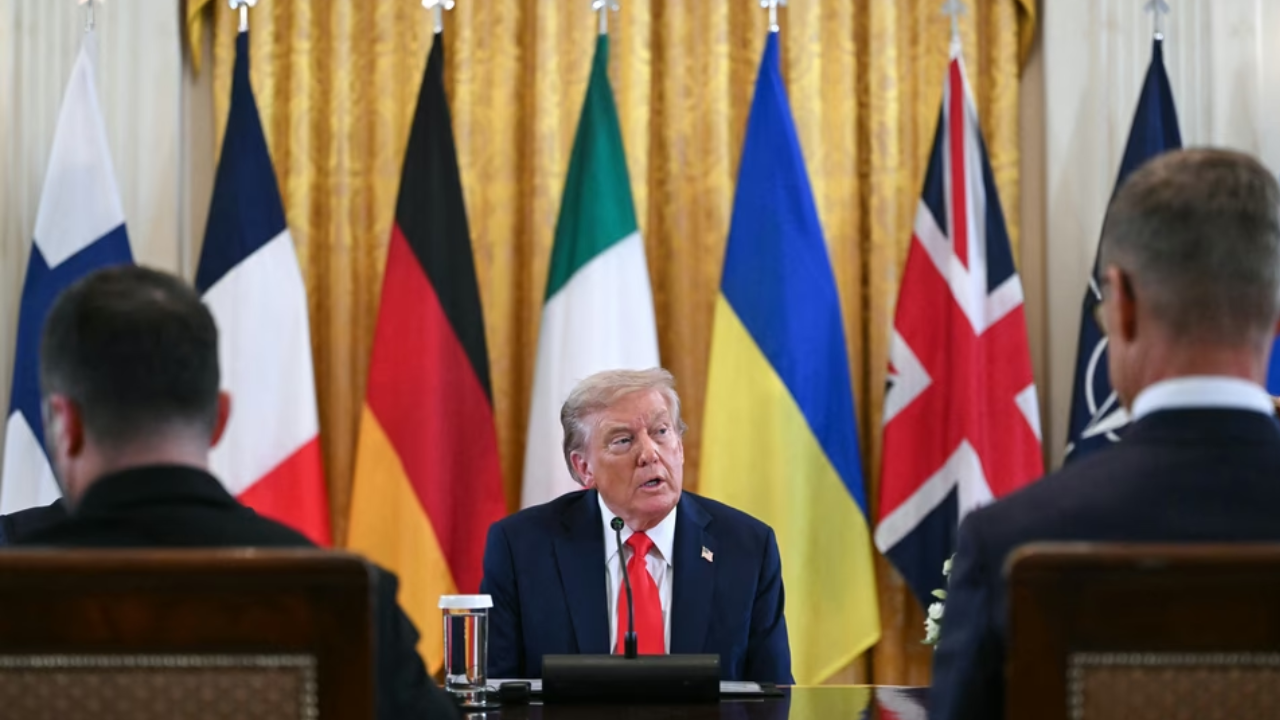
What You Can Learn From All This
You don’t have to agree with every move Trump makes. Still, his negotiation playbook carries real lessons. Think bigger than feels comfortable. Use your strongest leverage early. Control how the conversation gets framed. And don’t be afraid to walk away — because sometimes, the willingness to walk is your most powerful card.
In The Art of the Deal, Trump advised readers to think big, maximize options, use leverage, fight back, and have fun. Whether you’re negotiating a business deal, a salary raise, or a major contract, those five words aren’t bad advice at all.
America has produced bold dealmakers throughout history. Trump just made sure the whole world was watching.
If you also want to know about Donald trump success story click here – https://thegyantv.com/news/donald-trump-bankruptcy-to-oval-office-comeback-story/

Mohit Swami is the Head of Content at GYANTV, overseeing content strategy, editorial planning, and quality control across the platform. With experience in managing digital content workflows, he ensures that every article aligns with accuracy standards, audience relevance, and ethical publishing practices. His work focuses on building trustworthy, engaging, and reader-first content in health, lifestyle, and trending news categories.