
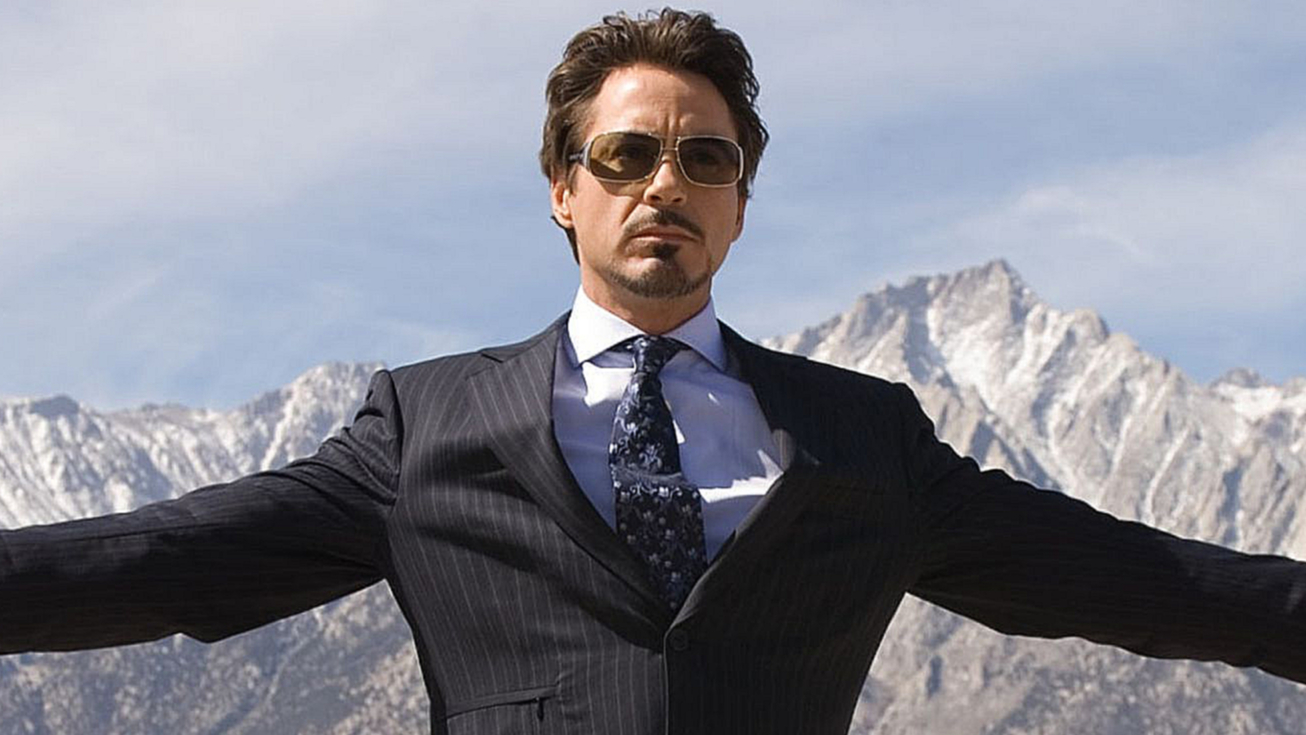
He’s arrogant, reckless, and insufferable — and yet, when he snapped his fingers in Avengers: Endgame, half the world cried. That’s not an accident. That’s masterful writing.
Tony Stark didn’t arrive as a hero. He arrived as a problem. A weapons dealer with a god complex and a press conference for every occasion. When Iron Man debuted in 2008, nobody expected the cocky billionaire to become the emotional spine of a 23-film saga. And that gap between expectation and delivery is exactly what makes Tony Stark one of the most brilliantly written characters in modern storytelling.
He Starts Broken — And Stays That Way
Most fictional heroes are broken at the start and fixed by the end. Tony Stark refuses that contract. He begins as a man of ego and ends as a man of sacrifice — but the transformation is never clean. He remains selfish, abrasive, and deeply anxious throughout his entire arc. His trauma doesn’t magically cure his flaws. It reroutes them.
This is rare. Writers are often tempted to sand down their characters as stories progress. Tony’s writers did the opposite. They preserved the roughness and just gave it better direction.
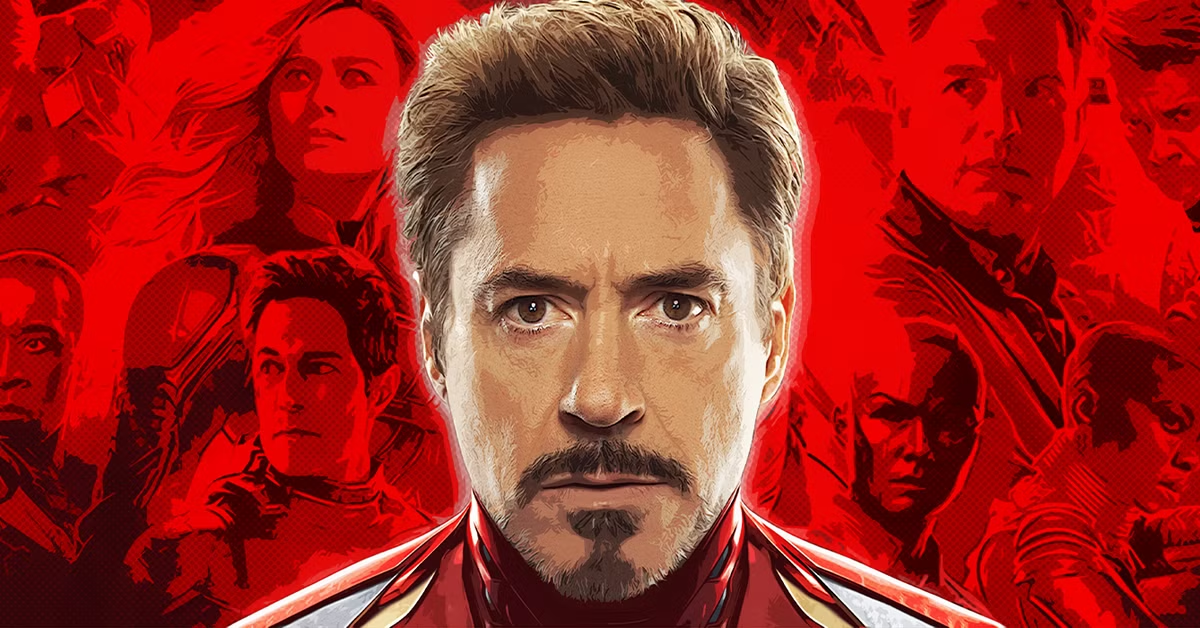
The Armour Isn’t Protection. It’s a Mirror.
Here’s something most casual viewers miss: every version of the Iron Man suit tells you exactly where Tony is emotionally. In Iron Man 3, drowning in PTSD and panic attacks, he builds 42 suits — because control is how he manages chaos. The armour is never just technology. It’s a psychological X-ray of a man who desperately wants to be invincible because he knows, deep down, that he’s terrifyingly mortal.
That’s layered writing. Every plot element doubles as character insight. You’re never watching spectacle for its own sake — you’re watching a man’s inner world externalised in metal and fire.
He Earns Every Moment of Heroism
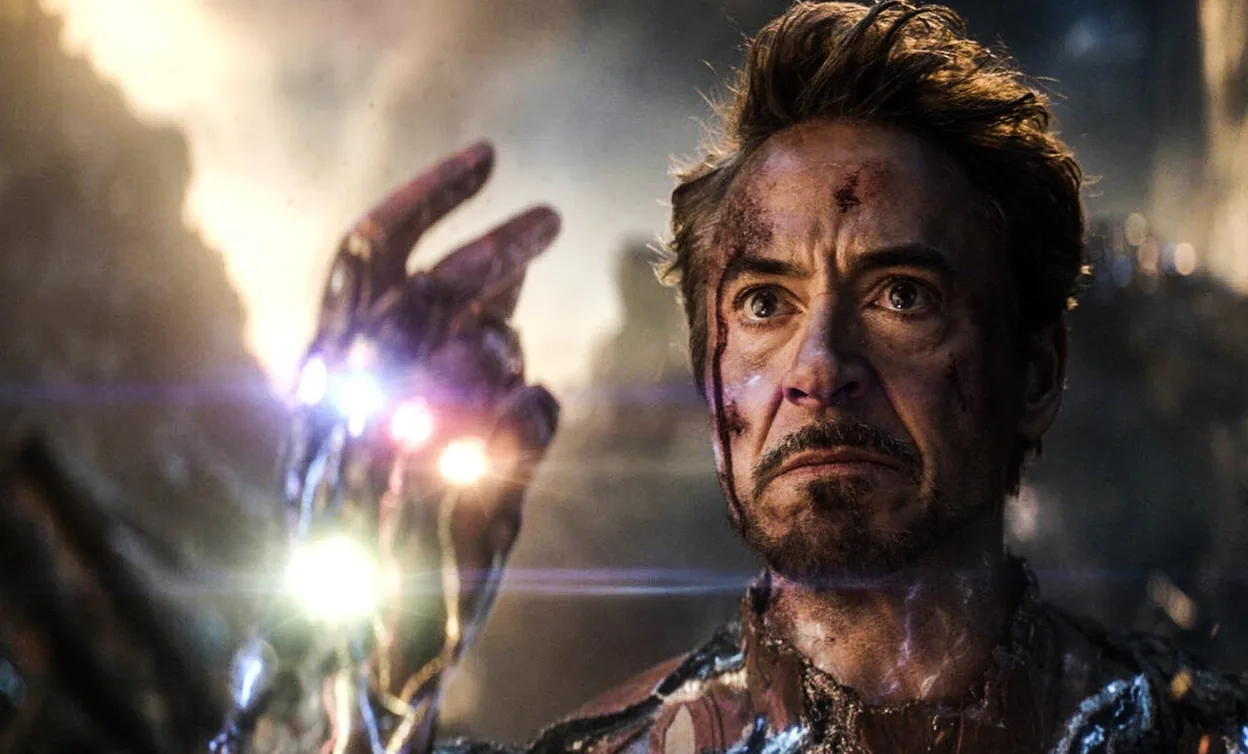
The snap in Endgame is devastating because of everything that came before it. Tony didn’t just choose to sacrifice himself — he chose to sacrifice the life he’d finally built: a daughter, a home, peace. The writers spent 11 years making you understand exactly what he was giving up. That’s patience most franchises simply don’t have.
Compare him to any generic action hero who sacrifices themselves in Act 3. You feel nothing, because you’ve been given nothing to lose. With Tony, the grief hits like a freight train because the investment is real.
He’s Funny in a Way That Actually Matters
Tony’s humour isn’t comic relief — it’s armour of a different kind. Every quip in a tense moment tells you something true: he deflects vulnerability with wit. He’d rather be laughed at than seen. Once you understand that, the jokes stop being funny and start being a little heartbreaking. That’s a level of characterisation most dramas don’t achieve, let alone a superhero blockbuster.
He Reflects Us Back at Ourselves
At his core, Tony Stark is a story about a man who made terrible choices, woke up, and tried — imperfectly, messily, stubbornly — to do better. He never becomes a saint. He becomes something more interesting: a flawed person who keeps showing up anyway.
He had eleven years. Three solo films. Six ensemble appearances. And one line at the end that made it all count.
“I am Iron Man.”
That’s not just good writing. That’s a full circle. Tony Stark isn’t the most powerful hero in the Marvel universe. He’s not even the most virtuous. But he might be the most human — and in storytelling, that’s the hardest thing of all to get right.

Mohit Swami is the Head of Content at GYANTV, overseeing content strategy, editorial planning, and quality control across the platform. With experience in managing digital content workflows, he ensures that every article aligns with accuracy standards, audience relevance, and ethical publishing practices. His work focuses on building trustworthy, engaging, and reader-first content in health, lifestyle, and trending news categories.