The Oscars love a good redemption story. There is something undeniably electric about watching a legend — someone whose work you’ve admired for decades — finally hear their name called from that stage. The standing ovations are louder. The speeches hit harder. The tears feel more earned. These are the moments that remind us why we care about awards in the first place.
Here are some of Hollywood’s most beloved celebrities who waited years, sometimes decades, before finally taking home their first Academy Award.
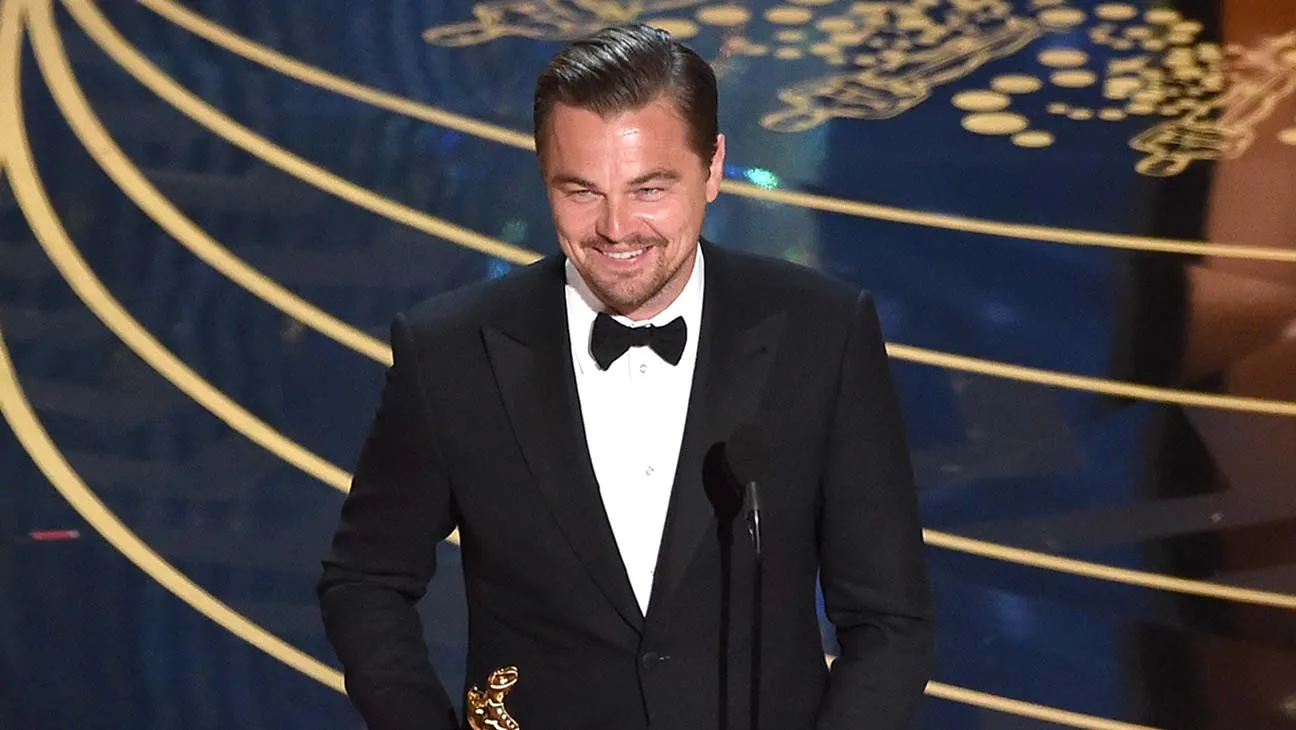
Leonardo DiCaprio — The Wait That Became a Cultural Meme
If there’s one Oscar story that the entire internet adopted as its own, it’s Leo’s. He received his first nomination at just 19 for What’s Eating Gilbert Grape — and then the Academy proceeded to nominate him, and snub him, across three decades. The Aviator. Blood Diamond. The Wolf of Wall Street. Each time, the world watched, and each time, someone else took the statue. When he finally won for The Revenant in 2016 — after nearly being eaten by a bear on screen and eating raw bison liver in real life — the standing ovation in the Dolby Theatre was deafening. The memes may have stopped, but the legend only grew.
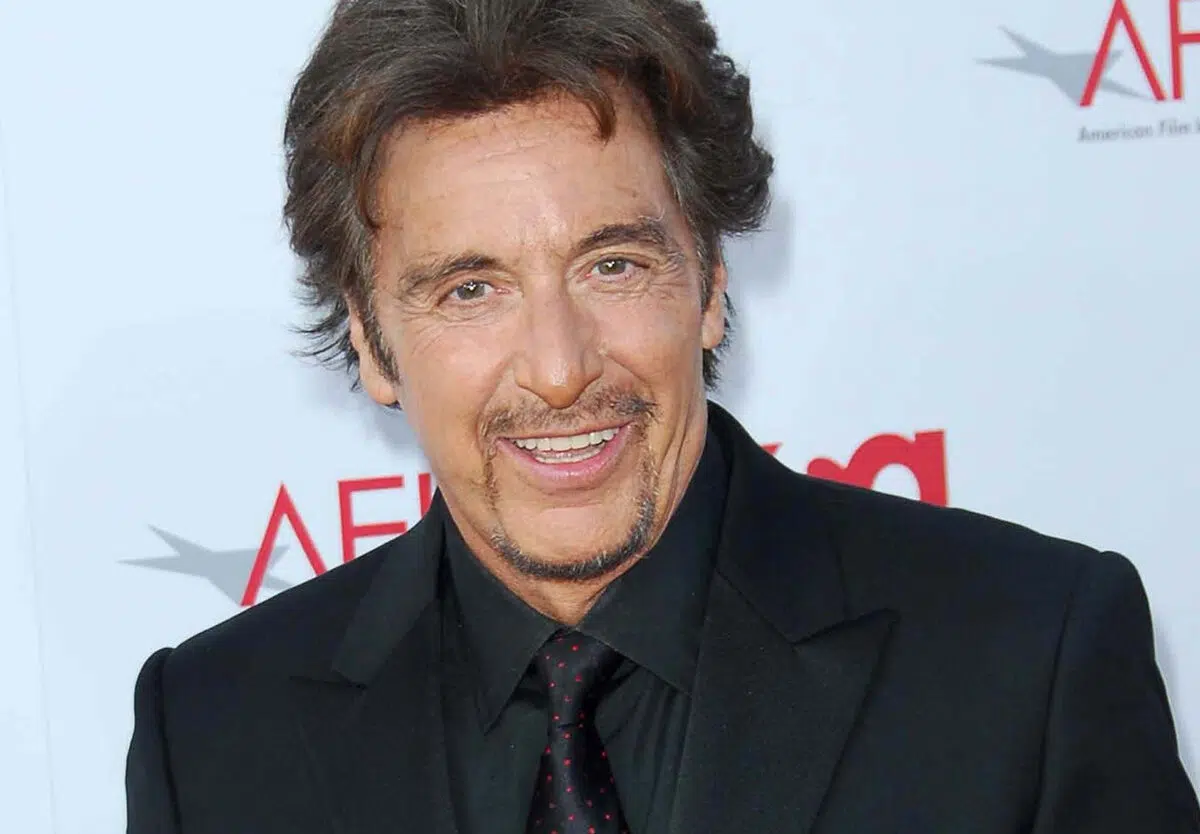
Al Pacino — Eight Nominations, One Oscar, Zero Apologies
The man gave the world The Godfather, Scarface, Dog Day Afternoon, and Serpico — and still had to wait until 1993 to win his first Oscar. Pacino collected eight nominations before finally winning Best Actor for Scent of a Woman, a good performance in a decent film that most critics agree wasn’t even close to his greatest work. The Academy, in its infinite wisdom, gave him the statue for the least iconic performance of his career. And yet — nobody was complaining. The audience stood up. Hoo-ah.
Paul Newman — Eight Times a Bridesmaid
One of the greatest actors to ever live, Paul Newman was nominated eight times before winning for The Color of Money — a sequel to The Hustler, the very film he arguably should have won for back in 1962. The irony was not lost on anyone. Newman finally won at 62, and in typical Paul Newman fashion, he wasn’t even at the ceremony to accept it. He was racing cars. Absolute legend energy.
Henry Fonda — Won on His Deathbed, Literally
Henry Fonda was one of the biggest stars of Hollywood’s golden era — 12 Angry Men, The Grapes of Wrath, Once Upon a Time in the West — and received only one acting nomination in his entire career before On Golden Pond. He won at age 76, knowing he was dying of heart disease. His daughter Jane accepted the award on his behalf. He passed away five months later. Of all the overdue Oscar wins in history, this one cuts the deepest.
Martin Scorsese — Directed His Way Into Legend Before Getting One
Taxi Driver. Raging Bull. Goodfellas. Casino. Gangs of New York. The man directed some of the most important films ever made and watched others collect the Best Director prize every single time. When he finally won for The Departed — a film he himself described as a “commercial” project — the entire industry exhaled with relief. Steven Spielberg, who had beaten him twice before, handed him the award. Hollywood’s most elegant apology.
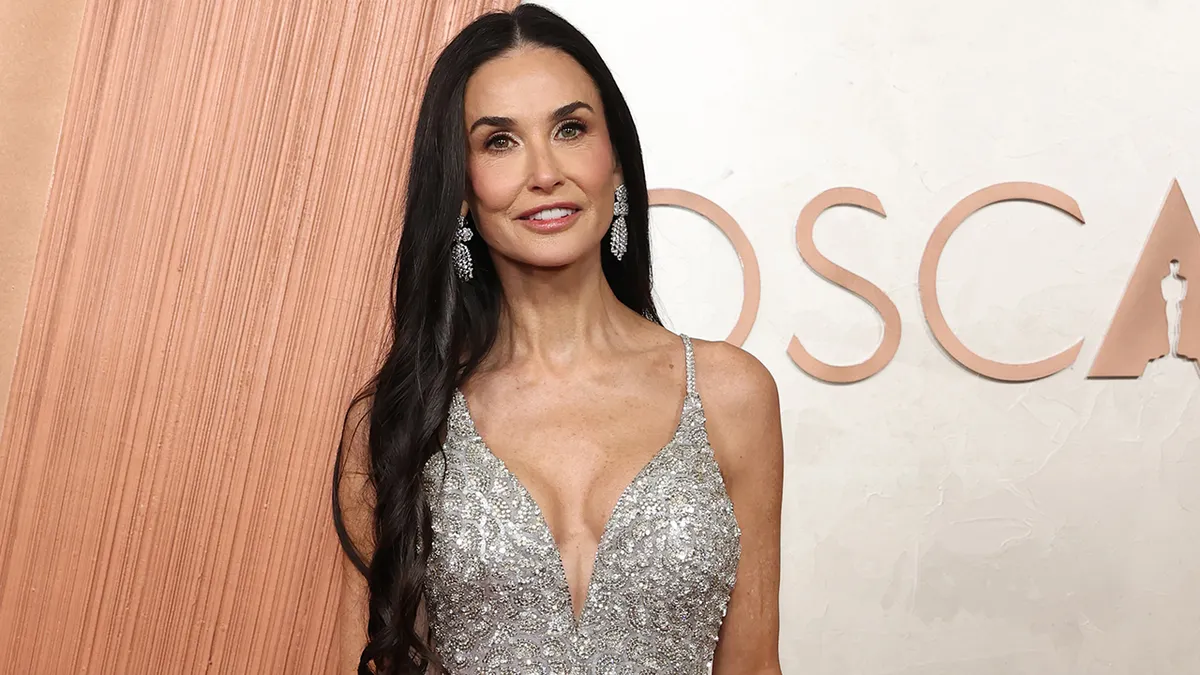
Demi Moore — A First Nomination at 62, and She Won It
Few comeback stories in recent Oscar history hit as hard as Demi Moore’s. After spending decades as one of Hollywood’s most recognizable stars — Ghost, G.I. Jane, Indecent Proposal — she never received a single Oscar nomination. Then came The Substance in 2025, a daring, body-horror film that required everything from her. She received her first-ever nomination, and she won. Her acceptance speech was raw, emotional, and deeply personal. The entire room was on its feet.
Demi Moore — A First Nomination at 62, and She Won It
Few comeback stories in recent Oscar history hit as hard as Demi Moore’s. After spending decades as one of
Hollywood’s most recognizable stars — Ghost, G.I. Jane, Indecent Proposal — she never received a single Oscar nomination. Then came The Substance in 2025, a daring, body-horror film that required everything from her. She received her first-ever nomination, and she won. Her acceptance speech was raw, emotional, and deeply personal. The entire room was on its feet.
What all these stories share is something the Oscars, for all their flaws, occasionally get beautifully right — the long overdue moment. Talent doesn’t expire. Neither does the audience’s memory of what great work looks like. When Hollywood finally catches up to the people it should’ve recognized years earlier, the result is something no perfectly