
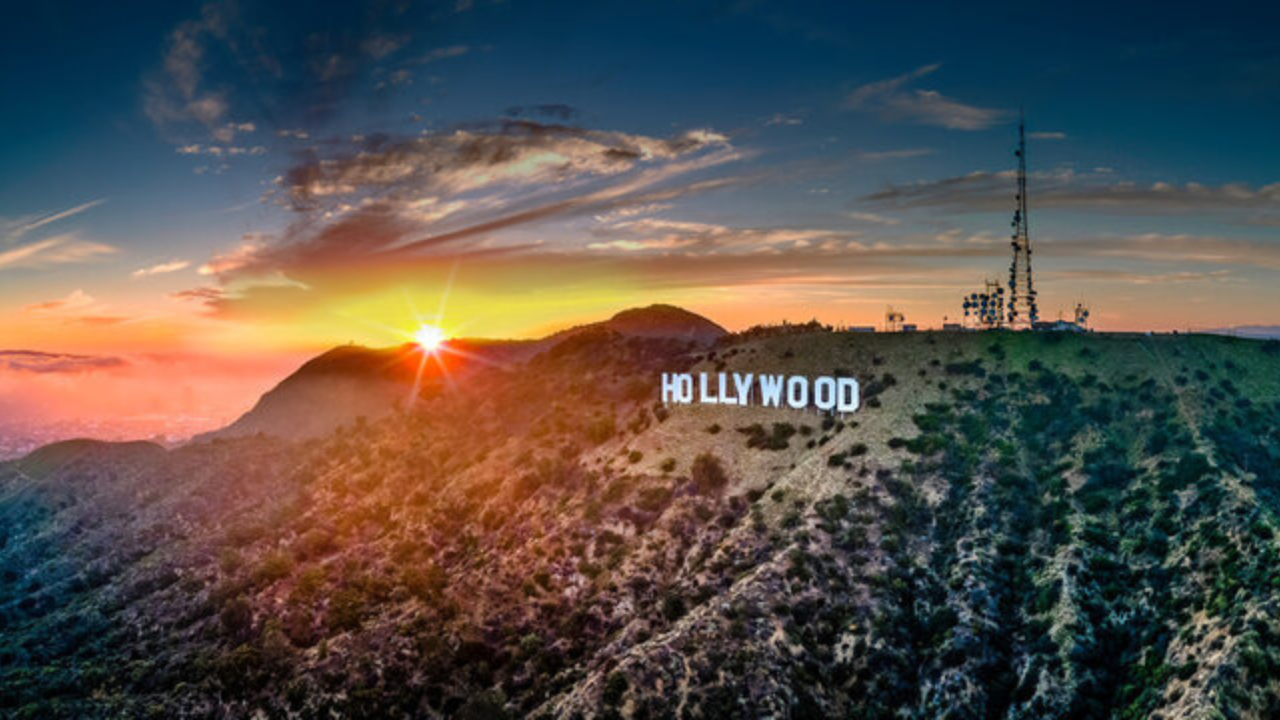
Sequels, reboots, remakes. The numbers say yes — but the truth is more complicated.
Walk into any multiplex today and the marquee reads like a greatest-hits album — Fast & Furious something-or-other, a Marvel chapter you’ve lost count of, a beloved ’80s franchise resurrected for a new generation, and perhaps a live-action remake of a cartoon you watched as a child. It’s enough to make you wonder: has the most powerful dream factory in history simply run dry?
The short answer is: not exactly. But the business has absolutely changed in ways that make original storytelling feel endangered.
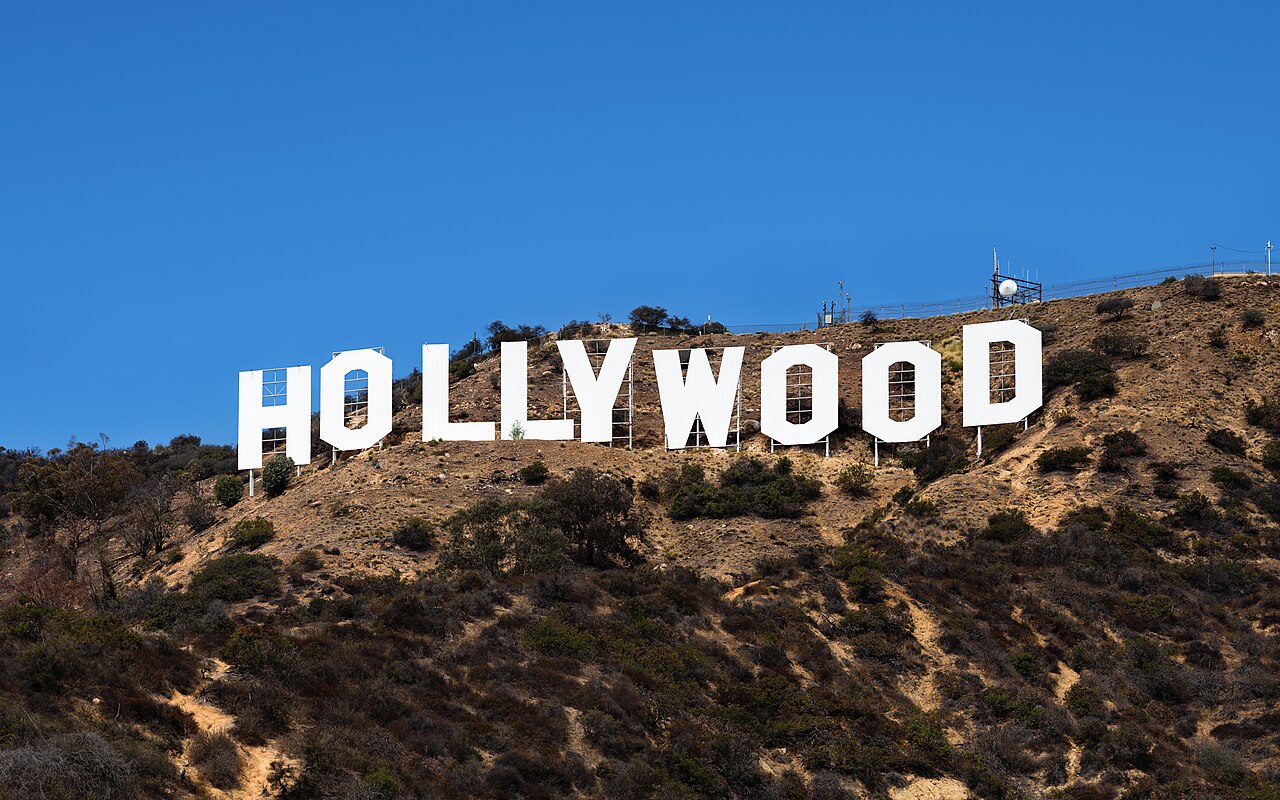
The economics of safety
Hollywood’s obsession with existing IP isn’t a creative failure — it’s a financial calculation. When a single blockbuster costs $200 million to produce and another $150 million to market, studios need certainty. A recognizable name — a superhero, a wizard, a galaxy far, far away — is the closest thing to a guarantee that audiences will show up.
The streaming wars made this worse. Platforms hungry for subscribers greenlit original content at scale for a while, but as the dust settled, the winners were still franchises. Stranger Things and The Witcher dominate because they feel like familiar genre comfort food, even if one is technically original.
“Originality didn’t disappear. It migrated — to prestige TV, A24 films, and international cinema.”
Where the ideas actually went
The mid-budget original film — think The Truman Show, Cast Away, or Eternal Sunshine of the Spotless Mind — has been squeezed out of the studio system almost entirely. Those films now either become prestige TV miniseries or find a home with boutique distributors like A24, Neon, or MUBI.
And that’s not nothing. The last decade has given us Parasite, Everything Everywhere All at Once, Past Lives, and The Whale. Truly original, boundary-pushing cinema is alive — just no longer wearing a cape or carrying a lightsaber.
International cinema has also filled the vacuum. South Korean, Spanish, and Japanese filmmakers are producing work that Hollywood will inevitably remake in five years — which is, in a dark irony, the system feeding itself.
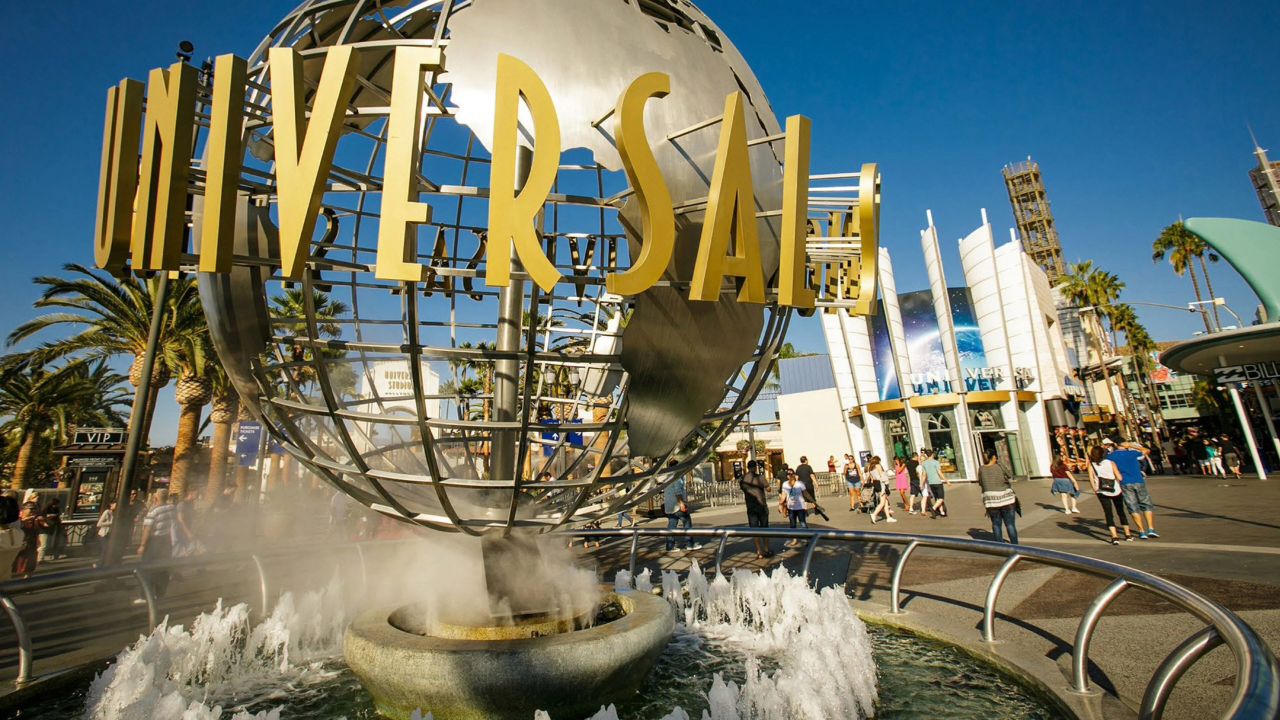
The audience is complicit
It’s easy to blame the studios, but audiences consistently vote with their wallets for the familiar. Top Gun: Maverick earned $1.5 billion globally. The original Top Gun cost $15 million and grossed $356 million. Nostalgia is bankable, and studios are rational actors responding to demand signals.
But here’s the tension: audiences also lined up for Get Out, Hereditary, and Tenet. Original ideas, when marketed confidently and executed brilliantly, still break through. The problem is that studios rarely take the bet anymore.
Hollywood isn’t out of ideas — it’s out of appetite for risk. The creativity is there, humming quietly in writers’ rooms, indie studios, and the minds of a generation of filmmakers shaped by a century of cinema. What’s missing is the institutional courage to greenlight something with no built-in audience, no toy line, no prequel and no sequel already in development.
The dream factory hasn’t gone dark. It’s just playing it very, very safe — and hoping you won’t notice

Mohit Swami is the Head of Content at GYANTV, overseeing content strategy, editorial planning, and quality control across the platform. With experience in managing digital content workflows, he ensures that every article aligns with accuracy standards, audience relevance, and ethical publishing practices. His work focuses on building trustworthy, engaging, and reader-first content in health, lifestyle, and trending news categories.